DOH Adds Testing Sites in Blair County to Help Contain Local Spread of COVID-19 

Harrisburg, PA – Secretary of Health Dr. Rachel Levine today announced beginning Sunday, November 15, a drive-thru and indoor testing clinic will be held at the Blair County Convention Center to help contain the recent rapid increase in COVID-19 cases.

“Since the beginning of September, we have seen an increase of 1,825 cases in Blair County, which gives us significant cause for concern,” Dr. Levine said. “This testing site will be open to anyone who feels they need a test. It is important that even people with no symptoms who test positive isolate to stop the spread of COVID-19.”

The department has signed a contract with AMI Expeditionary Healthcare (AMI) to provide testing in communities in need across Pennsylvania. AMI has already deployed to Centre, ColumbiaIndianaBerksNorthumberlandLebanonHuntingdon and Westmoreland counties to perform community testing.

The department decides which counties to deploy testing based on the total number of confirmed cases in the last 14 days per 100,000 people as well as where outbreaks are happening, county population, and other metrics.

This week, Blair has the 29th-highest percent-positivity in the state at 9.6 percent. This is up from a percent-positivity of 8.0 percent the previous week. The department believes that increased testing in the county will assist in determining the prevalence of the virus and assist the county in moving forward. Other concerning counties, identified as those with percent positives above 5 percent, can be found on the Early Warning Monitoring Dashboard. Each county is being monitored as the state continues to examine all available data.

Testing in Blair County will be available daily from 7:00 AM to 6:00 PM on the following days:

  • Sunday, November 15;
  • Monday, November 16;
  • Tuesday, November 17;
  • Wednesday, November 18;
  • Thursday, November 19;
  • Sunday, November 22;
  • Monday, November 23; and
  • Tuesday, November 24.

The address for testing is Blair County Convention Center, 1 Convention Center Drive, Altoona, PA, 16602.


Up to 440 patients can be tested per day. Mid-nasal passage swab tests will be performed. Testing is on a first-come, first-serve basis and is completely free to all patients. Patients must be ages three and older and are not required to show symptoms of COVID-19 in order to be tested. No appointment is necessary. Patients are encouraged to bring a photo-ID or insurance card. Registration will also be completed on-site. The turnaround time for testing results is two to seven days after testing.

Individuals who are tested should self-quarantine while they await test results. Individuals who live with other people should self-quarantine in a private room and use a private bathroom if possible. Others living in the home with the individual awaiting test results should also stay at home. The department has additional instructions for individuals waiting for a COVID-19 test result.

For the latest information for individuals, families, businesses and schools, visit “Responding to COVID-19” on pa.gov.

The Wolf Administration stresses the role Pennsylvanians play in helping to reduce the spread of COVID-19:

  • Wash your hands with soap and water for at least 20 seconds or use hand sanitizer if soap and water are not available.
  • Cover any coughs or sneezes with your elbow, not your hands.
  • Clean surfaces frequently.
  • Stay home to avoid spreading COVID-19, especially if you are unwell.
  • If you must go out, you are required to wear a mask when in a business or where it is difficult to maintain proper social distancing.
  • Download the COVID Alert PA app and make your phone part of the fight. The free app can be found in the Google Play Store and the Apple App Store by searching for “covid alert pa”.
U.S. Election was ‘most secure in American history’ Federal Agency Says

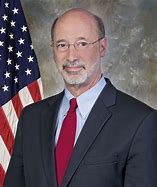
Harrisburg, PA – As dedicated local elections officials continue to provide an accurate vote count, Governor Tom Wolf commended their efforts after the experts in the U.S. Department of Homeland Security announced in a joint statement the nation’s election was secure and there was no evidence that voting systems were compromised.

“All Pennsylvanians can have confidence in our election system and the accuracy of the vote,” said Gov. Wolf. “The U.S. Department of Homeland Security’s conclusion that our nation had the most secure election in history reaffirms the commitment to protecting our votes by local, state and national officials.

“Allegations of fraud and unfounded rumors of illegal activity have been repeatedly debunked. Those deliberate and false attacks are un-American and harm our democracy, and we should reject them. I thank the election and cyber security experts for verifying that our nation’s election was protected and secure.”

A statement released yesterday by government and industry members of the Cybersecurity and Infrastructure Security Agency and the Election Infrastructure Sector Coordinate Council said, “The November 3rd election was the most secure in American history. Right now, across the country, election officials are reviewing and double checking the entire election process prior to finalizing the result.”

The statement added, “While we know there are many unfounded claims and opportunities for misinformation about the process of our elections, we can assure you we have the utmost confidence in the security and integrity of our elections, and you should too.”

The statement was released by members of Election Infrastructure Government Coordinating Council (GCC) Executive Committee – Cybersecurity and Infrastructure Security Agency (CISA) Assistant Director Bob Kolasky, U.S. Election Assistance Commission Chair Benjamin Hovland, National Association of Secretaries of State (NASS) President Maggie Toulouse Oliver, National Association of State Election Directors (NASED) President Lori Augino, and Escambia County (Florida) Supervisor of Elections David Stafford – and the members of the Election Infrastructure Sector Coordinating Council (SCC) – Chair Brian Hancock (Unisyn Voting Solutions), Vice Chair Sam Derheimer (Hart InterCivic), Chris Wlaschin (Election Systems & Software), Ericka Haas (Electronic Registration Information Center), and Maria Bianchi (Democracy Works).

Gov. Wolf has made election security a priority since taking office. In July 2018, the governor created the Inter-Agency Election Preparedness and Security Workgroup to ensure Pennsylvania meets the highest standards of election preparedness and integrity and to coordinate election security. The agencies include the Department of State, the Department of Military and Veterans Affairs, the Pennsylvania Emergency Management Agency, the Pennsylvania State Police and the offices of Administration, Governor, Homeland Security and State Inspector General.

The commonwealth also works with all 67 county boards of elections, the Pennsylvania National Guard, the Center for Internet Security and other key partners to maintain and enhance the security of Pennsylvania’s election process.  Pennsylvania uses a layered set of defenses to protect its voting systems, which are never connected to the internet nor permitted on internet-facing networks.

Before the Nov. 3 general election, Secretary of State Kathy Boockvar and Pennsylvania Director of Homeland Security Marcus Brown also met with Pennsylvania’s three United States Attorneys and FBI agents from Philadelphia and Pittsburgh to review security and preparations.

“Thanks to the hard work of state and local officials who proactively addressed security challenges, Pennsylvania had a safe and secure election,” Gov. Wolf said. “Our dedicated local election officials continue to work tirelessly to ensure an accurate vote count, and Pennsylvanians will not be deterred or distracted from ensuring that every voter’s voice is heard.”

State Police Bureau of Liquor Control Enforcement November 9-12: 340 Compliance Checks; Five Notices of Violation

 
Harrisburg, PA – Pennsylvania State Police Liquor Control Enforcement Officers visited 340 licensed liquor establishments from Monday, November 9 through Thursday, November 12 to ensure businesses are abiding by COVID-19 mitigation requirements that include social distancing, masking, and other health and safety requirements of the liquor code.
Liquor Control Enforcement Officers issued five notices of violation and 51 warnings for failing to follow COVID-19 requirements. As mandated by the liquor code, a notice of violation precedes the issuance of an administrative citation, which is civil in nature, and is intended to provide licensed liquor establishments notification of the nature of violation(s) discovered. The investigation remains open during this period, pending review by the Pennsylvania State Police Bureau of Liquor Control Enforcement (BLCE). Because the investigation is ongoing, names of establishments issued a notice of violation will not be released at this time. Each BLCE district office posts a monthly public information release that includes details on citations issued by that office.
Compliance checks are unannounced and can occur anywhere in the commonwealth, although the focus is on areas experiencing higher coronavirus transmission rates. Among other requirements, all businesses and employees in the restaurant and retail food service industry authorized to conduct in-person activities are mandated to:
  • Require all customers to wear masks while entering, exiting or otherwise traveling throughout the restaurant or retail food service business (face masks may be removed while seated). Further, employees are required to wear masks at all times.
  • Provide at least six feet between parties at tables or physical barriers between customers where booths are arranged back to back.
  • Ensure maximum occupancy limits for indoor and outdoor areas are posted and enforced.
Bureau of Liquor Control Enforcement | November 9-12, 2020
​TOTAL LICENSEE CHECKS
WARNINGS RELATED TO COVID-19 MITIGATION EFFORTS
NOTICES OF VIOLATION RELATED TO COVID-19 MITIGATION EFFORTS
1-Philadelphia
​89
26
0
2-Wilkes-Barre
32
3
1
3-Harrisburg
7
1
0
4-Pittsburgh
84
6
4
5-Altoona
36
2
0
6-Williamsport
19
2
0
7-Punxsutawney
16
1
0
8-Erie
17
4
0
9-Allentown
40
6
0
TOTALS
340
51
5
Violators may face administrative citation by the Pennsylvania State Police Bureau of Liquor Control Enforcement. Continued violations put an establishment’s liquor license at risk, either through the citation process or upon application for renewal. More information is available on the enforcement page of the state police COVID-19 portal.
Complaints regarding licensees not complying with COVID-19 mitigation mandates may be directed to the BLCE at 1-800-932-0602 or reported through the BLCE’s online complaint form.

Department of State Provides Update on Election Results 

Harrisburg, Pa. — Secretary of State Kathy Boockvar today reported that the canvass by counties of ballots cast in the Nov. 3 general election is nearing completion.

“We are extremely grateful to all 67 counties who have been working overtime and putting in an extraordinary effort to count every vote, with so far more than 6.8 million votes having been counted,” Secretary Boockvar said. “The counties continue to adjudicate and count the approximately 100,000 provisional ballots issued to voters at the polls on Election Day, as well as the more than 28,000 military and overseas ballots that were cast in this election.” 

Under state law, county boards of election must individually adjudicate each provisional ballot and assess whether they meet the standards for counting. The counties do so by verifying the voter was registered to vote in the precinct in which the ballot was cast, and that the voter did not cast a mail-in ballot prior to requesting the provisional ballot at the polling place.

Higher numbers of provisional ballots were cast this year due to new laws and procedures created pursuant to two bipartisan election reform measures, Act 77 of 2019 and Act 12 of 2020.

As of Friday midday, approximately 40,000 of the provisional ballots cast have been counted or partially counted, and these numbers will continue to climb over the next few days.

The department also reported that 28,529 military and overseas absentee ballots were cast. November 10 was the deadline for counties to receive uniformed and overseas civilian absentee (UOCAVA) ballots.

Based on the unofficial returns submitted by all the counties to the Department of State, Secretary Boockvar has determined that she will not be ordering a recount and recanvass of the election returns in the counties, as no statewide candidate was defeated by one-half of one percent or less of the votes cast.  This includes the following races: President of the United States, Attorney General, Auditor General, and State Treasurer.

Approximately 10,000 mail ballots that were cast on or before Nov. 3 were received by counties between 8 p.m. November 3 and 5 p.m. Nov. 6. The Pennsylvania Supreme Court ruled in September that counties should count mail ballots received through 5 p.m. Friday, Nov. 6, if they are postmarked by 8 p.m. Election Day. The court also ruled that counties should count those ballots if there is an illegible or missing postmark, unless there is sufficient evidence to demonstrate that the ballot was mailed after Election Day deadline. These ballots are not of a sufficient number to impact the no-recount determination of any of the statewide races.

Up-to-date election returns showing votes cast as reported from each county can be found on the department’s voting website, votesPA.com. Additionally, the new dashboard at votesPA.com/Counting provides the numbers of mail and absentee ballots cast, counted, and remaining to be counted in each county; the in-person precincts counted; and provisional ballot counts.

November 13, 2020 – Department of Health Report

Sixty six (66) new cases added Friday in Lycoming County remains at 1,197 cases, no new deaths, 32 total deaths, with 17,264 negatives according to DOH report.

Department of Health Provides Update on COVID-19:

Highest Daily Increase of 5,531 Additional Positives Brings Statewide Total to 254,387

Pennsylvanians Urged to Download COVID Alert PA App

Harrisburg, PA – The Pennsylvania Department of Health today confirmed as of 12:00 a.m., November 13, that there were 5,531 additional positive cases of COVID-19, bringing the statewide total to 254,387. This is the highest daily increase of cases.

The most accurate daily data is available on the website, with archived data also available.

The number of tests administered within the last 7 days between November 6 and November 12 is 332,640 with 28,290 positive cases. There were 54,399 test results reported to the department through 10 p.m., November 12. This is a record high number of PCR test results reported to the department.

As of 11:59 p.m., Thursday November 12, there were 30 new deaths reported for a total of 9,224 deaths attributed to COVID-19. County-specific information and a statewide map are available on the COVID-19 Data Dashboard.

Mask-wearing is required in all businesses and whenever leaving home. Consistent mask-wearing is critical to preventing the spread of COVID-19.

There are 7,612 individuals who have a positive viral antigen test and are considered probable cases and 645 individuals who have a positive serology test and either COVID-19 symptoms or a high-risk exposure.

There are 2,523,984 individuals who have tested negative to date. Of those who have tested positive to date the age breakdown is as follows:

  • Approximately 1% are ages 0-4;
  • Approximately 2% are ages 5-12;
  • Approximately 5% are ages 13-18;
  • Approximately 13% are ages 19-24;
  • Approximately 36% are ages 25-49;
  • Approximately 21% are ages 50-64; and
  • Approximately 20% are ages 65 or older.

There are 2,196 individuals hospitalized with COVID-19. Of that number, 448 patients are in the intensive care unit with COVID-19. Most of the patients hospitalized are ages 65 or older, and most of the deaths have occurred in patients 65 or older. More data is available here.

The department has seen significant increases in the number of COVID-19 cases among younger age groups, particularly 19 to 24-year-olds. An alert was sent to healthcare providers about the changing COVID-19 case demographics. Increases among 19 to 24-year-olds from April to present in November are available below:

  • NC – Approximately 7 percent of cases in April to nearly 20 percent of cases so far in November;
  • NE – 6 percent of cases in April to nearly 14 percent of cases so far in November;
  • SE – Nearly 5 percent of cases in April to nearly 11 percent of cases so far in November;
  • SW – Approximately 5 percent of cases in April to approximately 11 percent of cases so far in November;
  • NW – Nearly 7 percent of cases in April to approximately 11 percent of cases so far in November; and
  • SC – Approximately 7 percent of cases in April to approximately 9 percent of cases so far in November.

In nursing and personal care homes, there are 28,990 resident cases of COVID-19, and 6,028 cases among employees, for a total of 35,018 at 1,144 distinct facilities in 63 counties. Out of our total deaths, 6,052 have occurred in residents from nursing or personal care facilities. A county breakdown can be found here.

Approximately 13,315 of our total cases are among health care workers.

Statewide – The Wolf Administration has since noon, Nov. 11:

The Wolf Administration stresses the role Pennsylvanians play in helping to reduce the spread of COVID-19:

  • Wash your hands with soap and water for at least 20 seconds or use hand sanitizer if soap and water are not available.
  • Cover any coughs or sneezes with your elbow, not your hands.
  • Clean surfaces frequently.
  • Stay home to avoid spreading COVID-19, especially if you are unwell.
  • If you must go out, you are required to wear a mask when in a business or where it is difficult to maintain proper social distancing.
  • Download the COVID Alert PA app and make your phone part of the fight. The free app can be found in the Google Play Store and the Apple App Store by searching for “covid alert pa”.
Updated Coronavirus Links: Press Releases, State Lab Photos, Graphics

All Pennsylvania residents are encouraged to sign up for AlertPA, a text notification system for health, weather, and other important alerts like COVID-19 updates from commonwealth agencies. Residents can sign up online at www.ready.pa.gov/BeInformed/Signup-For-Alerts.

Congressman Fred Keller introduces bill to modernize federal workforce

Legislation mirrors a recent Executive Order creating a new classification for excepted federal service.

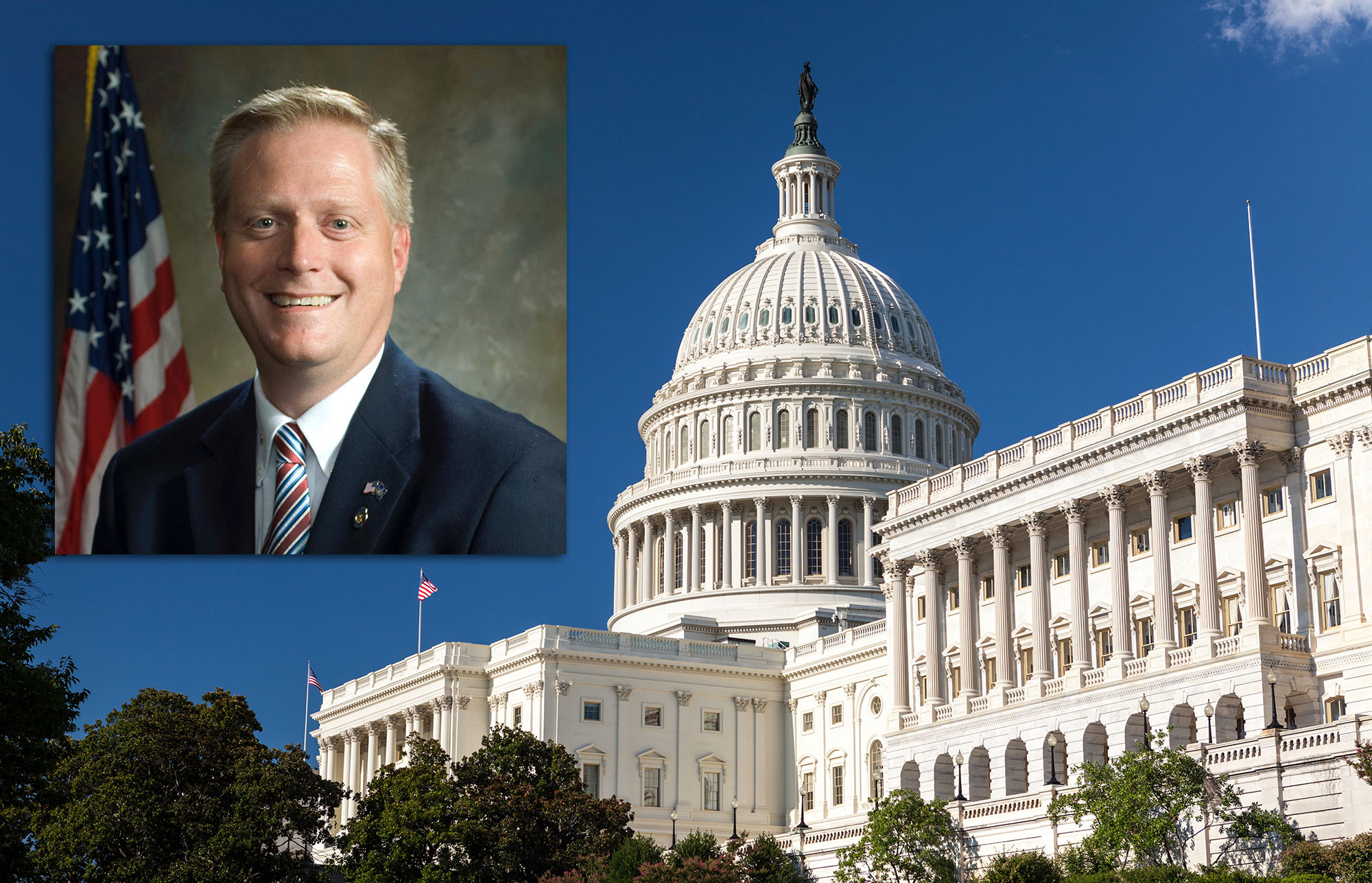
Washington, D.C. – Congressman Fred Keller (R-PA) recently introduced the Federal Workforce Accountability and Modernization Act, legislation that would codify into law President Trump’s recent Executive Order creating a new classification for federal employees in policy-determining positions.

The bill seeks to modernize the federal workforce by streamlining employment procedures around career employees in policy-relevant positions that have significant authority and influence in the issuance and implementation of policies and regulations that affect Americans on a day to day basis.

On the bill’s introduction, Congressman Fred Keller made the following statement:

“The American taxpayer deserves a modern and well-organized government that works effectively on their behalf. My legislation would mirror the president’s Executive Order by creating a new classification within the federal workforce titled “Schedule F” reserved for employees serving in positions considered confidential with the authority to influence public policy.

“By enacting this legislation, we can increase accountability and transparency within federal agencies by allowing them to more efficiently remove employees who perform poorly, while also enabling those agencies to better recruit high quality candidates, and more easily reward employees who excel at their jobs.” 

Republican Study Committee Chairman Mike Johnson (R-LA) also made the following statement:

“I am proud to see our members taking action to transform the Republican Study Committee proposals into meaningful legislation that will provide Americans with a more efficient, effective, and accountable federal government. We appreciate President Trump, OMB Director Vought and this administration for their bold leadership to modernize the federal employee hiring process and equip public servants to better carry out their duties on behalf of the American people.

Congress owes it to the millions of Americans who fund this government to work together to get these bills passed and signed into law without delay.”

Congressman Fred Keller introduces bipartisan bill to recognize athletic administrators

Washington, D.C. – Recognizing the significant impact athletic administrators have on students’ educational experience, today Congressman Fred Keller (R-PA) and Congresswoman Nanette Diaz Barragán (D-CA) introduced a bill to designate December 15, 2020 as Interscholastic Athletic Administrators’ Day. This resolution recognizes the contributions of athletic administrators in promoting high standards for integrity and success both on and off the field.

The resolution also commends the National Interscholastic Athletic Administrators Association as the leading organization that prepares those who lead secondary school athletics. On average, interscholastic athletic programs only make up one percent to three percent of school budgets, reflecting a high return on investment.

Congressman Fred Keller made the following statement upon the bill’s introduction:

“I’m proud to recognize the wonderful work that high school athletic administrators do in promoting excellence in our student-athletes both on and off the field. Athletic administrators serve a crucial role in our schools, motivating students to push themselves in the classroom and on the field while also teaching them valuable lessons about the values of sportsmanship, cooperation and fair play—the benefits of which last a lifetime.”

Additionally, Congresswoman Nanette Diaz Barragán made the following statement:

“Growing up playing baseball and then softball in high school, sports were more than just a hobby to me and so many others; they are a way to stay active, connect, learn, and build trust. Athletic administrators play a critical role in the lives of so many of our young people, helping them achieve both their athletic and academic goals. In this year where the nature of both sports and education have been altered enormously to ensure safety and wellbeing, I’m proud to join Rep. Keller in introducing this resolution to formally recognize the achievements and innovation of Interscholastic Athletic Administrators on December 15, 2020.”

Finally, National Interscholastic Athletic Administrators Association Executive Director Mike Blackburn made the following statement:

“On behalf of the NIAA and the nearly 13,000 athletic administrators we serve, we give our sincere thanks to Rep. Barragán and Rep. Keller for their leadership in recognizing the first ever Athletic Administrators’ Day. The role athletic administrators play in the lives of our student athletes is critical. Now, more than ever, during these challenging times it is so essential for schools and our policymakers to recognize the importance of secondary school athletic programs and how sports provide students with critical benefits off and on the playing field. It is an honor to have a day designed for our school athletic heroes by our policymakers.”

The full text of resolution is below:

Recognizing Interscholastic Athletic Administrators’ Day on December 15, 2020.

Whereas school athletic programs develop young people physically, mentally, socially, and emotionally through the life lessons learned through participation and competition;

Whereas interscholastic athletic participation is an integral part of a student’s educational experience and enhances the learning process;

Whereas athletic administrators are committed to developing and maintaining comprehensive education-based athletic programs which seek the highest development of all student athletes;

Whereas athletic administrators fulfill professional responsibilities with honesty, integrity, commitment to equity, and fairness;

Whereas athletic administrators preserve, enhance, and promote the educational values of athletics in our schools through professional growth in the areas of education, leadership, and service;

Whereas athletic administrators embody high standards of ethics, sportsmanship, and personal conduct. and encourage coaching staffs, student-athletes, and community members to commit to these high standards as well;

Whereas during the COVID–19 pandemic, now more than ever, we need school leaders, including athletic administrators, who prepare, plan, and endeavor to secure student safety and wellbeing;

Whereas during COVID–19, athletic administrators have been at the forefront of overseeing their secondary school educational programs as re-opening requires wisdom in preparation, adaptation, change, and relearning to be shared with other school officials; and

Whereas the COVID–19 pandemic has shown the importance of athletic administrators and interscholastic athletics during a critical moment in our Nation’s history:

Now, therefore, be it Resolved, That the House of Representatives—

(1) supports the recognition of Interscholastic Athletic Administrators’ Day;

(2) commends athletic administrators for their commitment and leadership provided to student-athletes at the secondary school level, especially during the COVID–19 pandemic; and

(3) commends the National Interscholastic Athletic Administrators Association as the leading organization that prepares those who lead secondary school athletics throughout the country, providing education, compassion, and preparation within the profession.

Gov. Wolf Signs 12th Renewal of Opioid Disaster Declaration as Work Continues to Fight Opioid Epidemic and COVID-19 Pandemic

Harrisburg, PA – Today, Governor Tom Wolf signed the 12th renewal of his January 2018 opioid disaster declaration to help the state fight the then-burgeoning opioid and heroin epidemic. The declaration allows the state to loosen regulations and work outside of typical procedures to expedite aid and initiatives to help those suffering from opioid use disorder and those who work to prevent and treat this medical condition.

“We must continue to fight both the COVID-19 pandemic and the opioid epidemic in our commonwealth, and I am grateful to the dedicated team of the Opioid Command Center for its commitment to fighting the opioid epidemic even among challenging circumstances,” Gov. Wolf said. “The work that is enabled by this declaration is vital to saving the lives of so many Pennsylvanians, providing education and treatment, and advancing initiatives across the state to continue to battle this epidemic. This work is no less important during COVID; we can and are fighting both the pandemic and the epidemic.”

The declaration allows for the redirection and reorganization of commonwealth resources to align programs from multiple agencies to work together to mitigate the opioid crisis, its causes and effects.

“As the commonwealth continues to grapple with the COVID-19 pandemic during the winter months, continuing our fight against the opioid epidemic has never been more important,” said DDAP Secretary Jennifer Smith. “While social distancing and mitigation efforts are critical to stop the spread of the deadly virus, for individuals with substance use disorder community support is a critical aspect of seeking treatment and ultimately sustaining recovery. Governor Wolf’s 12th renewal of the disaster declaration shows his unwavering commitment to support individuals suffering from substance use disorder and focusing resources to support the drug and alcohol community.”

“The opioid crisis continues to affect our loved ones, our communities and our state for those with the disease of addiction,” Secretary of Health Dr. Rachel Levine said. “Renewing the disaster declaration allows us to continue our efforts to ensure that we are helping those in need. Recovery works, and treatment is possible for those with this disease.”

Work to address the opioid crisis focuses on three areas: prevention, rescue and treatment. Efforts over the past several years, working with state agencies, local, regional and federal officials, have resulted in significant action to address the opioid crisis:

  • Secretary of Health Dr. Rachel Levine signed an updated naloxone standing order permitting community-based organizations to provide naloxone by mail.
  • The Prescription Drug Monitoring Program has reduced opioid prescriptions by 47 percent and has virtually eliminated doctor shopping.
  • The number of people receiving high dosages of opioids (defined as greater than 90 morphine milligram equivalents per day) has dropped 57 percent since the PDMP launched in August 2016.
  • The Opioid Data Dashboard and Data Dashboard 2.0 has provided public-facing data regarding prevention, rescue and treatment.
  • 11 Pennsylvania Coordinated Medication Assisted Treatment (PacMAT) programs are serving as part of a hub-and-spoke model to provide evidence-based treatment to people where they live, with just under $26 million dedicated into the centers.
  • More than 45 Centers of Excellence, administered by the Department of Human Services, provide coordinated, evidence-based treatment to people with an opioid use disorder covered by Medicaid. The COEs have treated more than 32,500 people since first launching in 2016.
  • The waiver of birth certificate fees for those with opioid use disorder has helped close to 5,300 people, enabling easier entry into recovery programs.
  • A standing order signed by Dr. Rachel Levine in 2018 allowed EMS to leave behind more than 2,400 doses of naloxone.
  • Education has been provided to more than 7,000 prescribers through either online or face-to-face education.
  • 882 drug take-back boxes help Pennsylvanians properly dispose of unwanted drugs, including 178,540 pounds of unwanted drugs in 2019. 2020 data is not yet available because of COVID.
  • The Get Help Now Hotline received close to 42,622 calls, with more than half of all callers connected directly to a treatment provider.
  • The state prison system has expanded their Medication Assisted Treatment (MAT) program, which is viewed as a model program for other states.
  • A body scanner pilot project was successful in reducing overdoses and violent crime in a number of facilities. Body scanners are in place in more than 30 locations and are currently being expanded to additional facilities.
  • Several agencies have worked together to collaborate on the seizure and destruction of illicit opioids across Pennsylvania.
  • Education and training on opioids have been provided to schools. Future plans are in place to make opioid education a standard component of school-based training.
  • The coordination with seven major commercial providers has expand access to naloxone and mental health care, while also working to make it more affordable.
  • Naloxone has been made available to first responders through the Pennsylvania Commission on Crime and Delinquency since November 2017, with more than 72,000 kits made available and more than 16,241 overdose reversals reported through the program. More than 6,600 of those saves occurred in 2019.
  • EMS have administered close to 45,900 doses of naloxone and more than 10,000 doses were made available to members of the public during the state’s naloxone distribution last year.

For more information on Pennsylvania’s response to the opioid crisis visit www.pa.gov/opioids.

SEDA-COG broadband project awarded largest grant in 12 states


SEDA-Council of Governments’ (SEDA-COG) four-county broadband project earned the highest POWER grant award in 12 states by the Appalachian Regional Commission (ARC), along with securing or partnering on two other POWER grants.

The ARC recently awarded $43.3 million across 51 projects in 12 states to support economic diversification in coal-impacted communities. More than half of these investments will support recovery-to-work efforts or strengthen broadband infrastructure.

In Pennsylvania, SEDA-COG’s project award also was the highest of 12 awarded projects.

SEDA-COG’s broadband effort was awarded $2.5 million for internet expansion to underserved areas in Clinton, Lycoming, Northumberland, and Union counties. This project will reach over 1,500 households, including over 20 businesses. Union County served as the main applicant.

Mike Fisher, SEDA-COG assistant executive director, said the grant award shows how powerful projects can happen with a regional effort.

“We are honored that our efforts earned the largest POWER grant award in the entire multi-state ARC region,” Fisher said. “This shows how vitally important it is for our counties to have better broadband service. It also demonstrates the collective power of our counties working together for the betterment of our communities and businesses.”

The grant will supplement $4 million of SEDA-COG’s revolving loan funds. The selected internet service provider will match these funds with $1.5 million of private investment funds.

SEDA-COG will provide funding through reimbursable grants and low-interest loans to incentivize an internet service provider to expand internet service into unserved and underserved rural regions of the four counties where traditional buildout is otherwise economically infeasible.

OTHER SEDA-COG POWER GRANTS 

SEDA-COG also is part of a statewide broadband initiative in a separate grant and is a partner in a workforce grant.

SEDA-COG was awarded a $108,125 ARC POWER grant to expand internet service in the Snow Shoe Township area in Centre County. SEDA-COG will match the ARC POWER grant with the same amount, offering a $210,000 grant to incentivize internet service providers to provide high-speed internet in the area.

The grant is part of a statewide $1.2 million ARC broadband grant award to the seven Local Development Districts (LDDs) that serve 52 of Pennsylvania’s counties. The LDDs are organizations through which member counties share information, address common concerns, and develop regional responses to critical issues. SEDA-COG is one of the seven LDDs and serves 11 central Pennsylvania counties.

Additionally, SEDA-COG is a partner in a $1,018,500 recovery-to-work POWER grant awarded to the Central Pennsylvania Workforce Development Corporation (CPWDC) and Geisinger.

SEDA-COG and the PA CareerLink® Business Service Teams will identify employers that are “recovery friendly” and assist other businesses to become recovery friendly to increase their pool of workforce talent. To accomplish this, SEDA-COG will work with their extensive business service provider network to power this initiative through education and information. Geisinger will focus on expanding telemedicine to broaden access to specialized services, like addiction treatment, in underserved rural areas. SEDA-COG will receive $18,500 for its partnership efforts.

Betsy Lockwood, SEDA-COG grants manager, described the void the initiative fills.

“Removing barriers to recovery has been a longstanding issue for people, and workforce issues have plagued businesses. Employers need staff and people need jobs, especially with the effects of the pandemic. By expanding the workforce toward those in recovery, we fill a valuable workforce need while providing someone in recovery a job that can help them remain in recovery,” Lockwood said.

SEDA-COG Board President Rich Ridgway said as an 11-county community and economic development agency, SEDA-COG is recognizing and meeting needs.

“We know the hardships our residents and businesses are facing. We are working hard to alleviate the most acute pressure throughout our counties, particularly with high-speed internet access,” Ridgway said.

As a community and economic development agency, SEDA-COG enhances the quality of life and economic advantage for residents and businesses in 11 central Pennsylvania counties through its vital partnerships and initiatives. SEDA-COG also is an advocate for the interests of its communities at the state and federal levels. For more information, visit www.seda-cog.org.

November 12, 2020 – Department of Health Report

Thirty two (32) new cases added Thursday in Lycoming County remains at 1,197 cases, no new deaths, 32 total deaths, with 17,081 negatives according to DOH report.

Department of Health Provides Update on COVID-19:

Highest Daily Increase of 5,488 Additional Positives Brings Statewide Total to 248,856

Pennsylvanians Urged to Download COVID Alert PA App 

Harrisburg, PA – The Pennsylvania Department of Health today confirmed as of 12:00 a.m., November 12, that there were 5,488 additional positive cases of COVID-19, bringing the statewide total to 248,856. This is the highest daily increase of cases.

The most accurate daily data is available on the website, with archived data also available.

The number of tests administered within the last 7 days between November 5 and November 11 is 331,492 with 25,702 positive cases. There were 50,997 test results reported to the department through 10 p.m., November 11. This is a record high number of PCR test results reported to the department.

As of 11:59 p.m., Wednesday November 11, there were 49 new deaths reported for a total of 9,194 deaths attributed to COVID-19. County-specific information and a statewide map are available on the COVID-19 Data Dashboard.

Mask-wearing is required in all businesses and whenever leaving home. Consistent mask-wearing is critical to preventing the spread of COVID-19.

There are 7,189 individuals who have a positive viral antigen test and are considered probable cases and 645 individuals who have a positive serology test and either COVID-19 symptoms or a high-risk exposure.

There are 2,506,649 individuals who have tested negative to date. Of those who have tested positive to date the age breakdown is as follows:

  • Approximately 1% are ages 0-4;
  • Approximately 2% are ages 5-12;
  • Approximately 5% are ages 13-18;
  • Approximately 13% are ages 19-24;
  • Approximately 36% are ages 25-49;
  • Approximately 21% are ages 50-64; and
  • Approximately 20% are ages 65 or older.

There are 2,080 individuals hospitalized with COVID-19. Of that number, 438 patients are in the intensive care unit with COVID-19. Most of the patients hospitalized are ages 65 or older, and most of the deaths have occurred in patients 65 or older. More data is available here.

The department has seen significant increases in the number of COVID-19 cases among younger age groups, particularly 19 to 24-year-olds. An alert was sent to healthcare providers about the changing COVID-19 case demographics. Increases among 19 to 24-year-olds from April to present in November are available below:

  • NC – Approximately 7 percent of cases in April to approximately 20 percent of cases so far in November;
  • NE – 6 percent of cases in April to nearly 14 percent of cases so far in November;
  • SE – Nearly 5 percent of cases in April to nearly 11 percent of cases so far in November;
  • SW – Approximately 5 percent of cases in April to approximately 11 percent of cases so far in November;
  • NW – Nearly 7 percent of cases in April to approximately 11 percent of cases so far in November; and
  • SC – Approximately 7 percent of cases in April to approximately 9 percent of cases so far in November.

In nursing and personal care homes, there are 28,576 resident cases of COVID-19, and 5,972 cases among employees, for a total of 34,548 at 1,132 distinct facilities in 63 counties. Out of our total deaths, 5,999 have occurred in residents from nursing or personal care facilities. A county breakdown can be found here.

Approximately 13,202 of our total cases are among health care workers.

Statewide – The Wolf Administration has since noon, Nov. 11:


The Wolf Administration stresses the role Pennsylvanians play in helping to reduce the spread of COVID-19:

  • Wash your hands with soap and water for at least 20 seconds or use hand sanitizer if soap and water are not available.
  • Cover any coughs or sneezes with your elbow, not your hands.
  • Clean surfaces frequently.
  • Stay home to avoid spreading COVID-19, especially if you are unwell.
  • If you must go out, you are required to wear a mask when in a business or where it is difficult to maintain proper social distancing.
  • Download the COVID Alert PA app and make your phone part of the fight. The free app can be found in the Google Play Store and the Apple App Store by searching for “covid alert pa”.

Updated Coronavirus Links: Press Releases, State Lab Photos, Graphics

All Pennsylvania residents are encouraged to sign up for AlertPA, a text notification system for health, weather, and other important alerts like COVID-19 updates from commonwealth agencies. Residents can sign up online at www.ready.pa.gov/BeInformed/Signup-For-Alerts.