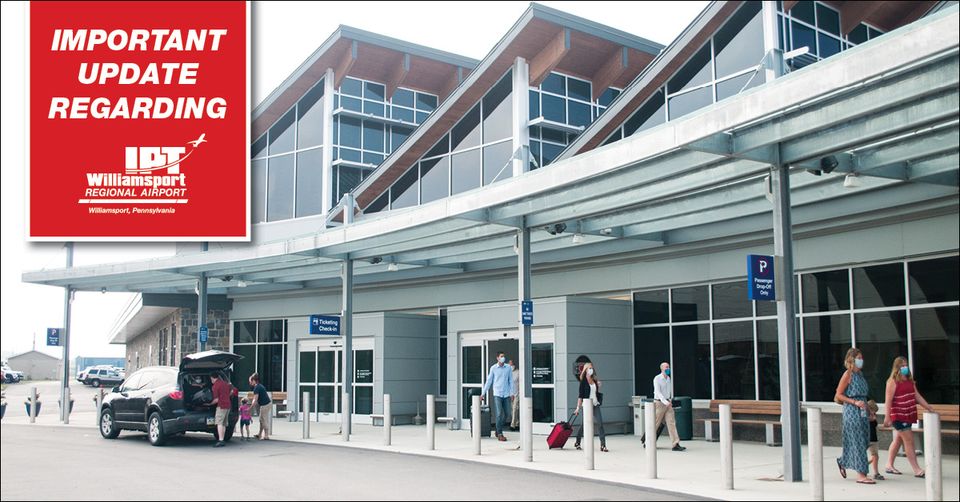
Williamsport Regional Airport Issues Statement regarding American Airlines announcement

Airport Executive Director Richard Howell, A.A.E. has issued a statement in light of American Airlines recent announcement regarding impending future flight service from the Williamsport Regional Airport.
“The move by American Airlines to include the Williamsport Regional Airport on their list of possible air service suspensions is obviously disappointing. Only two days ago we celebrated a new direction and improvement to the region for air travelers with our American Airlines Charlotte flights. In the month of July, even before having these flights, our enplanement levels averaged 52%, nearly double the number of passengers checked through TSA security on a national level. Our regional airport has made great strides in coming back after the initial surge of the COVID 19 pandemic. The business people and the leisure travelers of the region have shown they are poised to work and recreate in the new, cleaner, refined environments of our socially distanced and proactively cleaned facilities. Our airport can service a 10-county area with a population of nearly half a million people and it is vital to our region that we continue to be able to service our region.”
Click below to view full details on our website.
With No Congressional Solution in Sight, Pennsylvania Applies for Federal Lost Wages Assistance Funds 

Harrisburg, PA – Governor Tom Wolf directed the Department of Labor & Industry (L&I) to submit an application today for President Trump’s temporary Lost Wages Assistance grant funds to provide an additional $300 per week in supplemental payments to some Pennsylvanians receiving unemployment benefits.

“By failing to put out of work Americans first and extending the extra $600 per week federal benefit that ended in July, Congressional Republicans are forcing our hand to apply for these funds,” said Governor Wolf. “The president’s convoluted, short-term program, which will likely only provide payments for five or six weeks, will pay those who are eligible only half as much as before and will make 30,000 Pennsylvanians ineligible to continue receiving an additional weekly benefit.

“There is still time for Congressional Republicans to pass a good and practical solution that simply extends the extra weekly benefit, and I urge them to act now. As I have said before and will continue to say, the extra $600 per week was the lifeline Pennsylvania families needed to get by. They deserve better.”

Last week, the Governor sent a letter to Pennsylvania’s congressional delegation reaffirming his support for an extension of the Federal Pandemic Unemployment Compensation (FPUC) program. With Senate Republicans failing to pass a bill continuing FPUC, President Trump on August 8 authorized the Lost Wages Assistance plan.

The president’s plan is not a true unemployment insurance program and is, instead, funded by $44 billion from the Federal Emergency Management Agency (FEMA) that is intended for storm disaster relief. Because of this very important distinction, payments to eligible workers will be delayed while states, including Pennsylvania, create a new computer system.

If approved, L&I will use this grant funding to provide an additional $300 per week in assistance payments to people receiving unemployment compensation benefits due to COVID-19-related impacts.

In order to qualify for the extra $300, eligible individuals must receive at least $100 per week in regular Unemployment Compensation (UC); Pandemic Emergency Unemployment Compensation (PEUC); Pandemic Unemployment Assistance (PUA); Extended Benefits (EB); Short-Time Compensation (STC) or Shared Work; and Trade Readjustment Allowance (TRA) and must self-certify that they are unemployed or partially unemployed due to disruptions caused by COVID-19.

Payments will be made to eligible claimants retroactively from August 1, 2020. The payment could end in a matter of weeks if FEMA funding is exhausted or the federal government enacts a new law or extends FPUC to replace the Lost Wages Assistance payment. It will end no later than December 27, 2020.

The FPUC program, funded entirely by the federal government, ended on July 25. The U.S. House of Representatives voted to continue the benefit, but the Senate has yet to approve its extension.

Congressman Keller introduces GIVE MILK Act to expand access to whole milk

Bill would allow for participants in the WIC program to access 2% and whole milk

WASHINGTON – Congressman Fred Keller (R-PA) on Friday introduced the Giving Increased Variety to Ensure Milk into the Lives of Kids Act, otherwise known as the GIVE MILK Act, with original co-sponsor Congressman Glenn ‘GT Thompson’ (R-PA).

The legislation aims to increase milk consumption in the Special Supplemental Nutrition Program for Women, Infants, and Children (WIC) by giving participants over the age of two the option of having two percent reduced fat milk and whole milk as part of their diet. The bill reverses an Obama Administration era rule limiting WIC participants to low-fat (one percent) or non-fat milk.

On the introduction of the GIVE MILK Act, Congressman Fred Keller (R-PA) made the following statement:

“Whole milk and two percent reduced fat milk remain some of the most nutritious options to support a healthy upbringing, and it is essential that we expand these critical sources of nutrients in our federal nutrition assistance programs. That is why I am proud to introduce the GIVE MILK Act to ensure whole milk and two percent reduced fat milk are readily available for our families and children relying on the WIC program while simultaneously supporting our nation’s dairy farmers.”

Congressman Glenn ‘GT’ Thompson, an original co-sponsor of the legislation, made the following statement:

“Whole milk has been wrongfully targeted as unhealthy in recent years, but in reality it provides a wealth of vital nutrients that are particularly important for growing children. Including whole milk in the WIC program will provide a healthy option for those families who find themselves depending upon these benefits for essential nutrition.”

In addition, the following groups made statements in support of the GIVE MILK Act:

Jim Mulhern, President and CEO of the National Milk Producers Federation (NMPF)

“Milk has a unique nutrition profile which includes nine essential nutrients, three of which Americans get so little of that USDA and the Department of Health and Human Services have deemed their under-consumption a public health concern. The GIVE MILK Act would make it easier for expectant mothers and mothers of young children to access milk for their families, providing infants, children, and mothers the nutrients they need during key developmental stages. NMPF thanks Congressmen Keller and Thompson for their leadership and looks forward to continuing to work with them to ensure our children and families have access to healthy and affordable food.”

Michael Dykes, D.V.M., President and CEO of the International Dairy Foods Association (IDFA)

“The GIVE MILK Act will encourage WIC families to consume more milk which is central to a healthy diet beginning at a very young age. The American Academy of Pediatrics says milk is the leading food source for calcium, vitamin D, and potassium in the diet of American children 2-18 years, as well the number-one source of protein. No other type of food or beverage provides the unique combination of nutrients that cow’s milk contributes to the diets of adults and children alike. Milk processors are grateful to Congressmen Keller and Thompson for supporting mothers and children with this important bill.”

Background:

The WIC program, administered by the U.S. Department of Agriculture (USDA), supports the health and nutrition of low-income women, infants, and children through issuing federal grants to states for supplemental foods, health care referrals, and nutrition education.

In 2014, the Obama Administration directed the USDA to make several major changes to the types of milk that are allowed in the WIC program, limiting important nutrition options for WIC participants and negatively impacting our nation’s dairy industry.

August 21, 2020 – Department of Health Report

10 new COVID-19 cases added Friday in Lycoming County now at 467 cases and no new deaths with 20 total deaths, with 10,013 negatives according to DOH report.

Department of Health Provides Update on COVID-19,

693 Positives Bring Statewide Total to 127,633

Harrisburg, PA – The Pennsylvania Department of Health today confirmed as of 12:00 a.m., August 21, that there are 693 additional positive cases of COVID-19, bringing the statewide total to 127,633 All 67 counties in Pennsylvania have cases of COVID-19.

The number of tests administered within the last 7 days between August 14 and August 20 is 159,049 with 4,819 positive cases. There were 24,058 test results reported to the department through 10 p.m., August 20. These results represent the total number of tests administered.

There are 7,558 total deaths attributed to COVID-19, an increase of 20 new deaths reported. County-specific information and a statewide map are available on the COVID-19 Data Dashboard.

“The mitigation efforts in place now are essential as the new school year approaches and we work to ensure our children can get back to learning,” Secretary of Health Dr. Rachel Levine said. “Wearing a mask, practicing social distancing, and following the requirements set forth in the orders for bars and restaurants, gatherings and telework will help keep our case counts low. Together, as Pennsylvanians, we each have a part to play in working to ensure that cases of COVID-19 remain low.”

Mask-wearing is required in all businesses and whenever leaving home. Consistent mask-wearing is critical to preventing the spread of COVID-19.

There are 645 patients who have a positive serology test and either COVID-19 symptoms or a high-risk exposure, which are considered probable cases and not confirmed cases. There are 1,399,509 patients who have tested negative to date. Of the patients who have tested positive to date the age breakdown is as follows:

  • 1% are ages 0-4;
  • Nearly 2% are ages 5-12;
  • Nearly 4% are ages 13-18;
  • Nearly 10% are ages 19-24;
  • Nearly 38% are ages 25-49;
  • Nearly 23% are ages 50-64; and
  • Nearly 24% are ages 65 or older.

Most of the patients hospitalized are ages 65 or older, and most of the deaths have occurred in patients 65 or older. More data is available here.

The department is seeing significant increases in the number of COVID-19 cases among younger age groups, particularly 19 to 24-year-olds. An alert was sent to healthcare providers about the changing COVID-19 case demographics, as there are more cases in younger age groups than in those 50-64 and 65+. The following regions saw significant increases among 19 to 24-year-olds in each month from April to present in August:

  • SE – Nearly 5 percent of cases in April to nearly 17 percent of cases so far in August;
  • NE – 6 percent of cases in April to approximately 16 percent of cases so far in August;
  • SW – Approximately 5 percent of cases in April to nearly 12 percent of cases so far in August;
  • SC – Approximately 7 percent of cases in April to nearly 12 percent of cases so far in August;
  • NW – Nearly 7 percent of cases in April to nearly 10 percent of cases so far in August; and
  • NC – Approximately 7 percent of cases in April to approximately 9 percent of cases so far in August.

In nursing and personal care homes, there are 20,594 resident cases of COVID-19, and 4,336 cases among employees, for a total of 24,930 at 910 distinct facilities in 61 counties. Out of our total deaths, 5,121 have occurred in residents from nursing or personal care facilities. A county breakdown can be found here.

Approximately 9,203 of our total cases are amongst health care workers.

For the latest information for individuals, families, businesses and schools, visit “Responding to COVID-19” on pa.gov.

Currently, all 67 counties are in the green phase of reopening.

Statewide – The Wolf Administration has since noon, August 20:

The Wolf Administration stresses the role Pennsylvanians play in helping to reduce the spread of COVID-19:

  • Wash your hands with soap and water for at least 20 seconds or use hand sanitizer if soap and water are not available.
  • Cover any coughs or sneezes with your elbow, not your hands.
  • Clean surfaces frequently.
  • Stay home to avoid spreading COVID-19, especially if you are unwell.
  • If you must go out, you are required to wear a mask when in a business or where it is difficult to maintain proper social distancing.

Updated Coronavirus Links: Press Releases, State Lab Photos, Graphics

All Pennsylvania residents are encouraged to sign up for AlertPA, a text notification system for health, weather, and other important alerts like COVID-19 updates from commonwealth agencies. Residents can sign up online at www.ready.pa.gov/BeInformed/Signup-For-Alerts.

Gov. Wolf: Pennsylvania National Guard Commitment Comes with Great Sacrifice, Foreign and Domestic


PA Guard Stands Ready for Hurricane Season

Harrisburg, PA – Governor Tom Wolf today recognized the incredible sacrifices made by members of the Pennsylvania National Guard (PNG) during recent responses to support severe weather and COVID-19 emergencies in the commonwealth.

“As the second largest National Guard in the country, Pennsylvania is an extremely active Guard that often serves abroad protecting our borders from foreign aggression, but also plays an extremely important role serving domestically,” said Gov. Wolf. “The level of commitment by our Guard is only surpassed by the personal sacrifice these men and women make by being away from loved ones and putting themselves in harm’s way to protect others.”

The PNG routinely responds to domestic emergencies, sometimes in other states, but often right here in Pennsylvania. The responsibilities of the PNG during these emergencies include: search and rescue; distribution of food, supplies and equipment; transporting critical health care workers to health care facilities; assisting with evacuating and transporting citizens to shelters; clearing roads of debris; and prepping for post-storm recovery.

Most recently, members of the PNG on the Pennsylvania Helicopter Aquatic Rescue Team (PA-HART) helped to rescue two motorists stranded in rapidly rising water in Berks County during flooding caused by Tropical Storm Isaias. In addition to the rescue, a Pennsylvania Guard CH-47 Chinook helicopter and crew members accompanied by PA-HART members helped search for a missing person in the Schuylkill River in Philadelphia. A total of 100 PNG members responded during Isaias.

The PNG also found itself in a very different kind of domestic emergency in recent months, standing side-by-side with Pennsylvania first responders and health care providers to help keep people safe during COVID-19. While most of Pennsylvania was social distancing during the pandemic, hundreds of PNG members were deployed throughout the commonwealth to help with an array of emergent needs, including nursing home staffing and PPE training; assisting at county testing sites; standing up medical stations; and working at food banks.

“At a time of uncertainty, facing a whole new kind of enemy, the Pennsylvania National Guard lived up to its slogan ‘We live here, we train here, we serve here,’” said Gov. Wolf. “Pennsylvania called and without hesitation, the Guard answered, leaving behind family and putting their careers on hold. Thousands of Pennsylvania citizens are healthy and safe thanks to this selfless sacrifice.”

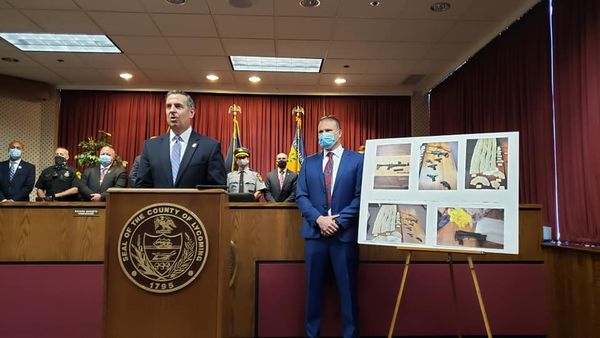
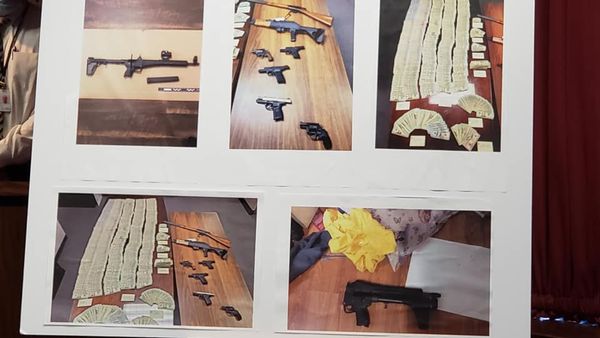
Photos from the press conference with law enforcement officials earlier today related to drug arrests

Photos from the press conference with law enforcement officials earlier today related to the drug arrests recently made. (Top photo) US Attorney David Freed (left), Lycoming County District Attorney Ryan Gardner (right) additional law enforcement and elected officials in background of photo. (Bottom photo) $21,000 in cash seized along with multiple firearms and drugs.


Lycoming County District Attorney Press Conference August 20th, 2020

HHS Reminds Pennsylvanians to Report Child Abuse and Keep Kids Safe at Home

Harrisburg, PA – Today, Department of Human Services (DHS) Secretary Teresa Miller encouraged Pennsylvania families during this back-to-school season to consider taking proactive steps to keep kids safe in their home environments and reminded all Pennsylvanians that the responsibility to protect children from abuse and neglect belongs to each of us.

“Many, many thousands of Pennsylvania children are going back to school — but not yet back to the classroom. While necessary to prevent the spread of COVID-19 and save lives, remote learning is a fundamental shift in daily life for many families that has potentially significant implications for children,” Secretary Miller said. “This is an important opportunity for Pennsylvania families to very deliberately consider the environment of their child’s education, as there can be potential dangers for children even in our own homes.”

DHS is responsible for oversight of Pennsylvania’s county-run child welfare system through the Office of Children, Youth and Families (OCYF), which also administers statewide programs like ChildLine, Pennsylvania’s child-abuse reporting hotline. OCYF also analyzes child fatality and near-fatality data and identifies trends to inform the work of developing policy that can prevent tragedies.

OCYF Deputy Secretary Jon Rubin reminded Pennsylvania families to ensure that their home environments are as safe for children as possible. Specifically, families should consider gun and gun storage safety; pool and water safety; safe storage of medication and other dangerous substances; and potential fall/heights hazards.

“Taking proactive, deliberate action now can prevent accidental tragedies in the future,” Rubin said. “We want Pennsylvania families to go into the 2020-21 school year with the peace of mind that they’ve carefully considered the environment of their child’s education and taken necessary steps to keep them safe in that environment.”

Secretary Miller also reminded Pennsylvanians that we all share the responsibility of protecting children in our communities from abuse and neglect. DHS administers ChildLine, which is a 24/7 hotline available to anyone concerned for the safety or well-being of a child. To report a concern, call 1-800-932-0313.

“With so many schools starting the 2020-21 school year with an entirely virtual or hybrid learning model, we must acknowledge the potential impact of reducing interaction between children and educators,” Secretary Miller said. “We saw a roughly 40 to 50 percent decline in child abuse reporting back in the spring after schools closed. Even this summer – with summer camps and sports camps and library story times canceled – we’ve seen a 10 to 12 percent decrease in ChildLine reports compared to the same months in 2019.”

This decrease in calls is most likely an unfortunate side effect of school closures and limited interactions between children, their teachers and other mandated reporters in school settings. Of the 39,040 reports made by mandated reporters to ChildLine in 2018, for example, more than a third were reported by school employees.

Anyone can make a report to ChildLine. Anyone who is not a mandated reporter can make a report to ChildLine anonymously. DHS is encouraging all Pennsylvanians to learn more about the signs of potential abuse or neglect and make a report to ChildLine if they begin to suspect abuse or neglect. Signs of potential abuse or neglect can include:

  • Numerous and/or unexplained injuries or bruises;
  • Chronic, pronounced anxiety and expressed feelings of inadequacy;
  • Flinching or an avoidance to being touched;
  • Poor impulse control;
  • Demonstrating abusive behavior or talk;
  • Cruelty to animals or others; and,
  • Fear of parent or caregiver, among others.

Pennsylvanians can learn more about the signs of potential abuse at www.keepkidssafe.pa.gov.

DHS also encourages parents and families who are struggling to cope during this time of crisis to reach out for help. Anyone struggling with mental health and in need of referrals to helpful programs can call Pennsylvania’s new Support & Referral Helpline, which is operated 24/7 by skilled caseworkers who can provide emotional support during this difficult period. The number to call is 1-855-284-2494. For TTY, dial 724-631-5600. Another helpful resource is the 2-1-1 hotline operated by the United Way, which can connect people and families to local resources that can help during the public health crisis.

Families struggling to afford food should consider applying for the Supplemental Nutrition Assistance Program, also known as SNAP, or food stamps. Pennsylvanians can apply any time at www.compass.state.pa.us.

August 20, 2020 – Department of Health Report

1 new COVID-19 case added Thursday in Lycoming County now at 457 cases and no new deaths with 20 total deaths, with 9,903 negatives according to DOH report.

Department of Health Provides Update on COVID-19,

791 Positives Bring Statewide Total to 126,940

Harrisburg, PA – The Pennsylvania Department of Health today confirmed as of 12:00 a.m., August 20, that there are 791 additional positive cases of COVID-19, bringing the statewide total to 126,149 All 67 counties in Pennsylvania have cases of COVID-19.

Allegheny is reporting an increase of 100 cases and Philadelphia is reporting an increase of 109 cases.

The number of tests administered within the last 7 days between August 13 and August 19 is 161,638 with 5,019 positive cases. There were 22,765 test results reported to the department through 10 p.m., August 19. These results represent the total number of tests administered.

There are 7,538 total deaths attributed to COVID-19, an increase of 15 new deaths reported. County-specific information and a statewide map are available on the COVID-19 Data Dashboard.

“The mitigation efforts in place now are essential as the new school year approaches and we work to ensure our children can get back to learning,” Secretary of Health Dr. Rachel Levine said. “Wearing a mask, practicing social distancing, and following the requirements set forth in the orders for bars and restaurants, gatherings and telework will help keep our case counts low. Together, as Pennsylvanians, we each have a part to play in working to ensure that cases of COVID-19 remain low.”

Mask-wearing is required in all businesses and whenever leaving home. Consistent mask-wearing is critical to preventing the spread of COVID-19.

There are 644 patients who have a positive serology test and either COVID-19 symptoms or a high-risk exposure, which are considered probable cases and not confirmed cases. There are 1,386,071 patients who have tested negative to date. Of the patients who have tested positive to date the age breakdown is as follows:

  • 1% are ages 0-4;
  • Nearly 2% are ages 5-12;
  • Nearly 4% are ages 13-18;
  • Nearly 10% are ages 19-24;
  • Nearly 38% are ages 25-49;
  • Nearly 23% are ages 50-64; and
  • Nearly 24% are ages 65 or older.

Most of the patients hospitalized are ages 65 or older, and most of the deaths have occurred in patients 65 or older. More data is available here.

The department is seeing significant increases in the number of COVID-19 cases among younger age groups, particularly 19 to 24-year-olds. An alert was sent to healthcare providers about the changing COVID-19 case demographics, as there are more cases in younger age groups than in those 50-64 and 65+. The following regions saw significant increases among 19 to 24-year-olds in each month from April to present in August:

  • SE – Nearly 5 percent of cases in April to nearly 17 percent of cases so far in August;
  • NE – 6 percent of cases in April to approximately 16 percent of cases so far in August;
  • SW – Approximately 5 percent of cases in April to nearly 12 percent of cases so far in August;
  • SC – Approximately 7 percent of cases in April to nearly 12 percent of cases so far in August;
  • NW – Nearly 7 percent of cases in April to nearly 10 percent of cases so far in August; and
  • NC – Approximately 7 percent of cases in April to 9 percent of cases so far in August.

In nursing and personal care homes, there are 20,522 resident cases of COVID-19, and 4,315 cases among employees, for a total of 24,837 at 905 distinct facilities in 61 counties. Out of our total deaths, 5,107 have occurred in residents from nursing or personal care facilities. A county breakdown can be found here.

Approximately 9,136 of our total cases are amongst health care workers.

For the latest information for individuals, families, businesses and schools, visit “Responding to COVID-19” on pa.gov.

Currently, all 67 counties are in the green phase of reopening.

Statewide – The Wolf Administration has since noon, August 19:

The Wolf Administration stresses the role Pennsylvanians play in helping to reduce the spread of COVID-19:

  • Wash your hands with soap and water for at least 20 seconds or use hand sanitizer if soap and water are not available.
  • Cover any coughs or sneezes with your elbow, not your hands.
  • Clean surfaces frequently.
  • Stay home to avoid spreading COVID-19, especially if you are unwell.
  • If you must go out, you are required to wear a mask when in a business or where it is difficult to maintain proper social distancing.

Updated Coronavirus Links: Press Releases, State Lab Photos, Graphics

All Pennsylvania residents are encouraged to sign up for AlertPA, a text notification system for health, weather, and other important alerts like COVID-19 updates from commonwealth agencies. Residents can sign up online at www.ready.pa.gov/BeInformed/Signup-For-Alerts.

PHEAA’s PA Forward Student Loan Program Fills College Funding Gaps Responsibly


Encourages “smart borrowing” as students prepare for 2020-21 school year

Harrisburg, PA (August 20, 2020) – PHEAA is encouraging college-bound students and their families to make smart financial choices to avoid unnecessary or excessive loan debt as they finalize their 2020-21 higher education funding plans.  While students should first exhaust their eligibility for gift aid, such as grants and scholarships, before borrowing, the PA Forward Student Loan Program is available to help fill any remaining funding gaps.

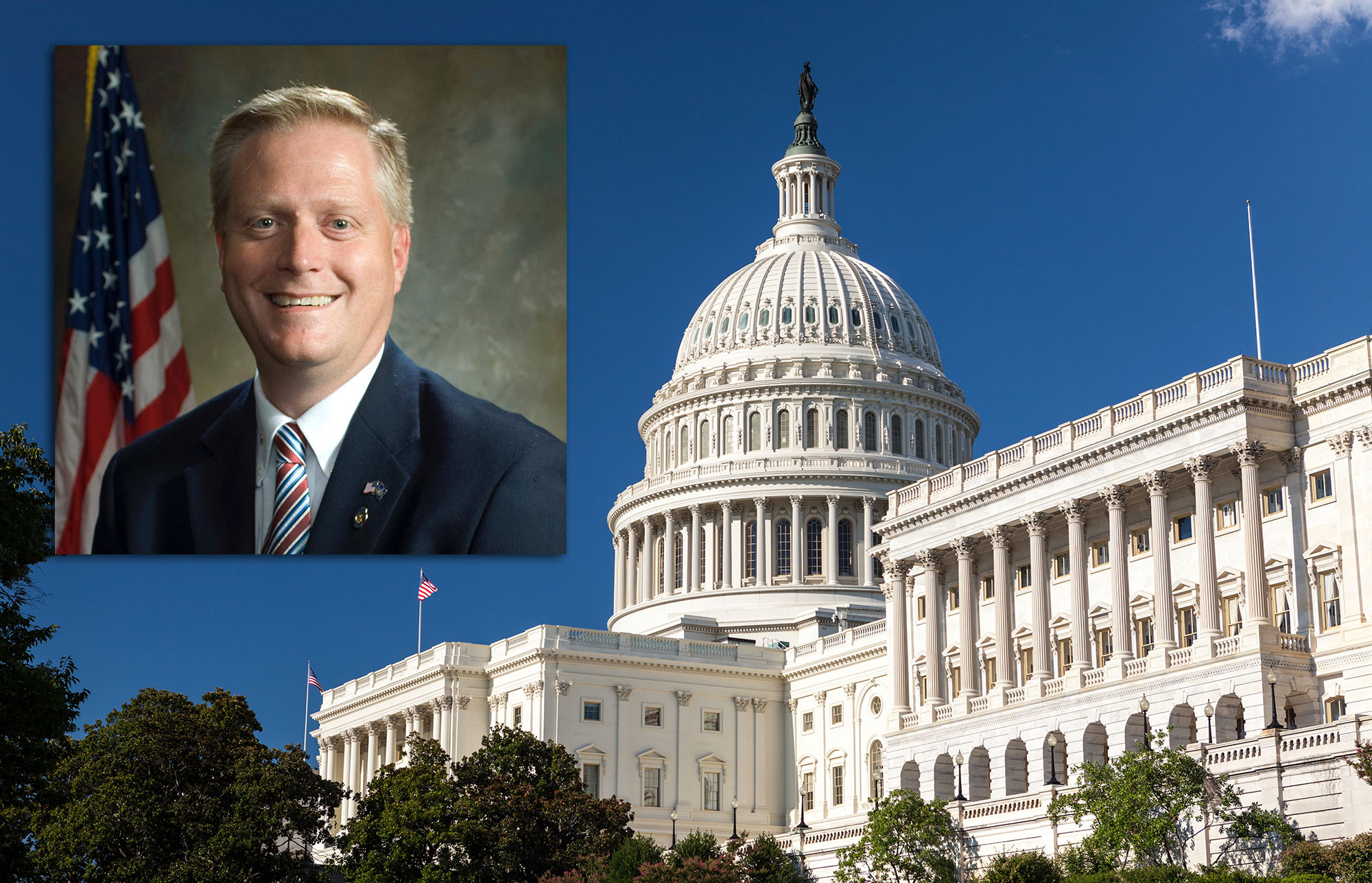
“As the school year quickly approaches, some students may be struggling to cover the full cost of their education as family savings and available gift aid fall short,” said Representative Mike Peifer, PHEAA Board Chairman.  “We created the PA Forward Student Loan Program to be an accessible, borrower-friendly loan option to help bridge those gaps while easing the repayment experience after graduation.”

Designed to bridge funding gaps responsibly, PHEAA, in cooperation with the PA Treasury and the PA Department of Community and Economic Development (DCED), offers the PA Forward Student Loan Program.  Now in its second year, PA Forward is a suite of borrower-friendly, Pennsylvania-based  student loan products allowing borrowers to borrow up to the total cost of attendance with competitively low interest rates and a variety of upfront and repayment benefits.

“When borrowing money to pay for college is unavoidable, federal Stafford loans should be the first choice as they typically have lower interest rates, in addition to  more repayment options and other benefits during repayment,” said Senator Wayne D. Fontana, PHEAA Board Vice Chairman.  “If additional funding is needed, PA Forward is a great option to consider.”

The PA Forward Student Loan Program includes four different student loan products:

  • PA Forward Undergraduate Loan for students seeking an undergraduate degree, certificate, or diploma
  • PA Forward Graduate Loan for students seeking an advanced degree such as masters, doctoral, law, health profession, or others
  • PA Forward Parent Loan for parents or guardians of dependent undergraduate students seeking an undergraduate degree, certificate, or diploma
  • PA Forward Refinance Loan for borrowers in repayment seeking a more streamlined way to manage their debt by combining all of their federal and private student loans into a single monthly payment under new terms and conditions.

More than 2,800 borrowers took advantage of the PA Forward Student Loan Program and its benefits during the program’s first year, borrowing more than $40 million.

Program benefits include no application or origination fees, no pre-payment penalties, multiple flexible repayment options, a .50% interest rate reduction as a graduation benefit for undergraduate and graduate loans, a .25% interest rate reduction upon enrollment in Direct Debit, and a biweekly payment option to promote positive repayment habits.

Earlier this year, existing PA Forward Student Loan Undergraduate, Graduate, and Parent Loan customers also received a permanent .98% interest rate reduction.  This means PA Forward Undergraduate and Graduate Loan borrowers were able to reduce their existing interest rate by 1.73% when combined with the program’s graduation and direct debit benefits, and PA Forward Parent Loan borrowers were able to reduce their interest rate in total by 1.23%, when combined with the program’s direct debit benefits.

While the PA Forward Student Loan Program does not require a co-signer if you have reached the age of majority in your state, applicants may benefit from a creditworthy co-signer if they do not meet minimum credit requirements.  A creditworthy co-signer may also increase an applicant’s chances for approval and could result in a lower interest rate.

PHEAA is the lender and servicer for the program, with a line of credit provided by the PA Treasury and tax-exempt allocation from DCED, making PA Forward Pennsylvania’s student loan program.

As with all of PHEAA’s business activities, the money earned through the program  supports the Agency’s public service mission. This includes nearly $1 billion that has been allocated to fund student aid programs and services for Pennsylvania residents over the last 10 years – helping to fund grant awards for more than 825,000 students with financial need.

To help students make more informed choices about their higher education funding plan and prevent unnecessary or excessive borrowing, PHEAA offers MySmartBorrowing.org. This free resource helps users understand how different career, school, and financial decisions made during the college-planning process can influence the total cost of their education and their ability to repay any student loans after graduation.

To learn more about PA Forward loans and submit an application, please visit PHEAA.org/PA-Forward.

For more information on finding financial aid to help fund postsecondary education, including tips, deadlines, and free financial aid workshops, visit PHEAA on Facebook at www.facebook.com/pheaa.aid or visit PHEAA.org. You can also view helpful financial aid planning videos at youtube.com/PHEAAStudentAid.


About PHEAA
Created in 1963 by the Pennsylvania General Assembly, the Pennsylvania Higher Education Assistance Agency (PHEAA) has evolved into one of the nation’s leading student aid organizations. Today PHEAA is a national provider of student financial services, serving millions of students and thousands of schools through its loan guaranty, loan servicing, financial aid processing, outreach, and other student aid programs.

PHEAA’s earnings are used to support its public service mission and to pay its operating costs, including administration of the PA State Grant and other state-funded student aid programs.  As the only major federal loan servicer with a nonprofit public service mission, PHEAA devotes its energy and resources to help ease the financial burden of higher education for its primary stakeholders – Pennsylvania students and families.

PHEAA conducts its student loan servicing operations nationally as FedLoan Servicing and American Education Services (AES). PHEAA operates its digital technology division as Avereo.