Wolf Admin: Hazard Pay Grants Now Available for Front-Line Workers in Life-Sustaining Industries

Harrisburg, PA – Today, Governor Tom Wolf announced the availability of $50 million in grant funding to help employers provide hazard pay to employees in life-sustaining occupations during the COVID-19 pandemic. Hazard pay is intended to keep front-line employees working in vital industry sectors across Pennsylvania.

“In the fight against COVID-19, our front-line workers have put themselves at risk every day in order to continue to provide life-sustaining services to their fellow Pennsylvanians, and this funding will increase their pay in recognition of those sacrifices,” said Gov. Wolf. “These grants will help businesses retain employees, ensure that Pennsylvanians keep working and avoid disruption of critical goods and services.”

Created through the federal Coronavirus Aid, Relief, and Economic Security (CARES) Act, this reimbursement-based grant is available to employers offering hazard pay during the eligible program period and will be administered by the Department of Community and Economic Development (DCED). Businesses may apply for grants up to a maximum of $3 million.

The following applicants are eligible to apply:

  • Businesses
  • Healthcare Non-profits
  • Public Transportation Agencies
  • Certified Economic Development Organizations (CEDO)

Eligible Pennsylvania-based industries include:

  • Healthcare and Social Assistance
  • Ambulatory Health Care Services
  • Hospitals
  • Nursing and Residential Care Facilities
  • Transit and Ground Passenger Transportation
  • Food Manufacturing
  • Food Retail Facilities
  • Security Services for eligible industries listed above and commercial industries that were not closed as a result of the Governor’s Business Closure Order
  • Janitorial Services to Buildings and Dwellings

Grant funds may be used for hazard pay for direct, full-time and part-time employees earning less than $20/hour, excluding fringe benefits and overtime for the 10-week period from August 16, 2020, to October 24, 2020. Applicants may apply for up to $1,200 per eligible full-time equivalent (FTE) employee. Employers may apply for a grant to provide hazard pay for up to 500 eligible full-time equivalent employees per location.

Eligible applicants may apply for grants using the online DCED Electronic Single Application for Assistance located at www.esa.dced.state.pa.us from July 16, 2020, to July 31, 2020. Program inquiries may be directed to (717) 787-6245 or ra-dcedcbf@pa.gov.

“An essential component of the spending plan we passed this spring was the use of available federal money to provide extra hazard pay for workers who are doing the most dangerous jobs,” said House Democratic Leader Frank Dermody (D- Allegheny, Westmoreland). “Today’s announcement shows we are serious about keeping that commitment and I urge all the employers who qualify for these grants to apply now.”

“Front-line workers in many workplaces have been praised during this pandemic, including thousands of transit workers who drive, clean and maintain our buses and trains,” said state Rep. Mike Carrol (D- Lackawanna, Luzerne), Democratic chairman of the House Transportation Committee. “They’ve earned more than just good words. They deserve better pay for the risky work that they are continuing to do every day.”

“This grant program will put $50 million in CARES Act dollars into the pockets of Pennsylvania’s lowest-paid front-line workers, who risked their families’ health and safety to keep us fed, care for our children and elderly, and help fellow front-line workers get to and from work,” said state Sen. Maria Collett (D- Bucks, Montgomery), Democratic chairwoman of the Senate Aging and Youth Committee. “I am especially glad to see that Governor Wolf and DCED considered my input and included actual risk and local prevalence of COVID as evaluation criteria.”

“Front-line essential workers are the backbone of our economy, and they have been working in dangerous, sometimes deadly, conditions. They are putting themselves and their families at risk from COVID-19 on a daily basis and their wages should reflect that risk,” said state Sen. Lindsey Williams (D-Allegheny), Democratic chairwoman of the Senate Community, Economic and Recreational Development Committee. “Many of these workers didn’t sign up for life-threatening work, so I’m pleased that the Hazard Pay Grant Program will assist employers in compensating them more fairly for the newfound dangers that they face.”

For the most up-to-date information on COVID-19, Pennsylvanians should follow https://www.pa.gov/guides/responding-to-covid-19/.
7 new COVID-19 cases added Thursday in Lycoming County now at 259 cases and no new deaths with 20 total deaths, with 5,934 negatives according to DOH report.

Department of Health Provides Update on COVID-19,

781 Positives Bring Statewide Total to 98,446

Harrisburg, PA – The Pennsylvania Department of Health today confirmed as of 12:00 a.m., July 16, that there are 781 additional positive cases of COVID-19, bringing the statewide total to 98,446. All 67 counties in Pennsylvania have cases of COVID-19.

Allegheny is reporting an increase of 140 cases and Philadelphia is reporting an increase of 132 cases.

The number of tests administered within the last 7 days between July 9 and July 15 is 142,176 with 5,517 positive cases. There were 20,413 test results reported to the department through 10 p.m., July 15. These results represent the total number of tests administered.

There are 6,973 total deaths attributed to COVID-19, an increase of 16 new deaths reported. County-specific information and a statewide map are available on the COVID-19 Data Dashboard.

“As the state has put in place new mitigation efforts to offset recent case increases, we must renew our commitment to protecting against COVID-19 by wearing a mask, practicing social distancing and following the requirements set forth in the orders for bars and restaurants, gatherings and telework,” Secretary of Health Dr. Rachel Levine said. “Pennsylvania has been a model for the country on how to reopen effectively using a careful, measured approach. However, the we know the virus has not gone away as we see cases rise, we must work together to stop another surge.”

Mask-wearing is required in all businesses and whenever leaving home. Consistent mask-wearing is critical to preventing the spread of COVID-19.

There are 638 patients who have a positive serology test and either COVID-19 symptoms or a high-risk exposure, which are considered probable cases and not confirmed cases. There are 885,195 patients who have tested negative to date. Of the patients who have tested positive to date the age breakdown is as follows:

  • 1% are ages 0-4;
  • 1% are ages 5-12;
  • Nearly 3% are ages 13-18;
  • 8% are ages 19-24;
  • 37% are ages 25-49;
  • Nearly 24% are ages 50-64; and
  • Nearly 26% are ages 65 or older.

Most of the patients hospitalized are ages 65 or older, and most of the deaths have occurred in patients 65 or older. More data is available here.

The department is seeing significant increases in the number of COVID-19 cases among younger age groups, particularly 19 to 24-year-olds. An alert was sent to healthcare providers about the changing COVID-19 case demographics, as there are more cases in younger age groups than in those 50-64 and 65+. The following regions have seen significant increases among 19 to 24-year-olds in each month from April to present in July:

  • SW – Approximately 5 percent of cases in April to 23 percent of cases so far in July;
  • SE – Nearly 5 percent of cases in April to approximately 17 percent of cases so far in July;
  • NE – Nearly 6 percent of cases in April to nearly 17 percent of cases so far in July;
  • NW – Nearly 7 percent of cases in April to nearly 12 percent of cases so far in July; and
  • NC – Nearly 8 percent of cases in April to approximately 11 percent of cases so far in July.
  • SC – Approximately 7 percent of cases in April to nearly 13 percent of cases so far in July.

In nursing and personal care homes, there are 18,430 resident cases of COVID-19, and 3,534 cases among employees, for a total of 21,964 at 767 distinct facilities in 58 counties. Out of our total deaths, 4,777 have occurred in residents from nursing or personal care facilities. A county breakdown can be found here.

Approximately 7,337 of our total cases are in health care workers.

For the latest information for individuals, families, businesses and schools, visit “Responding to COVID-19” on pa.gov.

Currently, all 67 counties are in the green phase of reopening.

Statewide – The Wolf Administration has since noon, July 15:

The Wolf Administration stresses the role Pennsylvanians play in helping to reduce the spread of COVID-19:

  • Wash your hands with soap and water for at least 20 seconds or use hand sanitizer if soap and water are not available.
  • Cover any coughs or sneezes with your elbow, not your hands.
  • Clean surfaces frequently.
  • Stay home to avoid spreading COVID-19, especially if you are unwell.
  • If you must go out, you are required to wear a mask when in a business or where it is difficult to maintain proper social distancing.

Updated Coronavirus Links: Press Releases, State Lab Photos, Graphics

All Pennsylvania residents are encouraged to sign up for AlertPA, a text notification system for health, weather, and other important alerts like COVID-19 updates from commonwealth agencies. Residents can sign up online at www.ready.pa.gov/BeInformed/Signup-For-Alerts.

DOH: Extreme Heat Can Cause Dangerous Health Conditions in Children, Infants and Pets

Harrisburg, PA – As hot summer weather continues across the state, the Department of Health encourages all Pennsylvanians to be aware of the dangerous impacts extreme heat can have on themselves and their neighbors, especially the elderly and other vulnerable populations.

“The combination of heat and humidity can be deadly for people who are not able to keep themselves cool,” Secretary of Health Dr. Rachel Levine said. “Exposure to high temperatures for long periods of time can cause heat exhaustion or heat strokes. We ask all Pennsylvanians to be a good neighbor and check on those who may have limited mobility or may not have a way to escape the heat.”

There are several groups of people who are at-risk of developing heat-related health conditions during high temperatures. Those groups include infants and young children, people 65 years of age and older, people with chronic medical conditions, and those who must work outdoors. It is important to make sure these groups are monitored on hot days.

Extremely hot weather can make you sick, and extreme heat is one of the leading causes of weather-related deaths in the United States each year.

Remember to wear:

  • Lightweight, loose-fitting, light-colored clothing;
  • A hat or visor;
  • Sunglasses; and
  • SPF 30 or higher sunscreen with broad spectrum coverage (reapply as necessary).

To stay hydrated:

  • Drink plenty of water throughout the day – do not wait until you are thirsty.
  • Outdoor workers should drink between two and four cups of water every hour.
  • Avoid consuming caffeinated, alcoholic, or sugary beverages.
  • Replace salt lost from sweating by drinking fruit juice or sports drinks.

To safely exercise:

  • Limit outdoor exercise and stay indoors in air conditioning on hot days.
  • Exercise early in the morning or later in the evening to avoid the hottest part of the day. (11 a.m. – 3 p.m.)
  • Pace yourself when you run, walk, or otherwise exert your body.

To protect others:

  • Never leave children, older adults, or pets in a vehicle.
  • Check on those who may be more at risk of developing health issues from extreme temperatures like:
    • Infants and young children
    • People ages 65 and older
    • People with chronic medical conditions

Another way to help protect others is by wearing your mask to stop the spread of COVID-19. On July 1, Secretary Dr. Levine signed an order mandating mask-wearingResearch shows that mask-wearing reduces risk of infection from COVID-19, while not wearing a mask greatly increases a person’s chances of being infected by this contagious and deadly virus.

Individuals must wear face coverings unless wearing a face covering would create an unsafe condition in which to operate equipment or execute a task.   In general, though, face coverings must be worn, even on warm days, if they do not pose a risk to an individual’s health or safety. Mere discomfort is not considered a risk to an individual’s health or safety. Face shields are an acceptable alternative to face masks when high temperatures and humidity create unsafe conditions.

In addition to wearing a mask, Pennsylvanians are encouraged to continue to practice social distancing and other preventive measures, including washing your hands frequently, covering coughs and sneezes, cleaning surfaces often, and staying home if you are sick to help reduce the spread of COVID-19.

It is also important to know the difference between heat-related illnesses, like heat exhaustion and heat stroke.

Symptoms of a heat stroke include a high body temperature (above 103°F); red, hot and dry skin, but no sweating; a rapid, strong pulse; throbbing headache; dizziness; nausea; confusion; and unconsciousness.

If you think someone is having a heat stroke, it is important to first call 9-1-1. After calling for help, get the person to a shady area and quickly cool them down by putting them in a tub of cool water or spraying them with a garden hose. You should not give the victim any fluids, including water, to drink.

Symptoms of heat exhaustion include heavy sweating, paleness, muscle cramps, tiredness, weakness, dizziness, headache, fainting, and nausea or vomiting.

Help the person cool off and seek medical attention if symptoms are severe, symptoms last more than one hour, or the victim has heart problems or high blood pressure.

For more information on how to deal with the heat and other natural disasters, visit www.health.pa.gov or follow the Department of Health on Facebook and Twitter.

Wolf Administration to Allow Additional Medicaid Providers to Apply as Opioid Use Disorder Centers of Excellence

Harrisburg, PA – The Wolf Administration today announced that the Department of Human Services (DHS) will allow for additional Medicaid providers to enroll as an opioid use disorder Center of Excellence (COE). Since 2016, 45 COEs have transformed the way care is provided to people with opioid use disorder and have helped more than 30,000 Pennsylvanians access comprehensive, whole-person treatment that makes recovery possible.

“Connecting people to treatment that addresses both their opioid use disorder as well as physical and behavioral health needs is critical in saving lives and fighting the opioid epidemic,” said Governor Tom Wolf. “Centers of Excellence have proven themselves to be a critical part of our efforts to improve treatment options. By taking the next step in sustaining this program, individuals with opioid use disorder will have more access to treatment in their communities.”

DHS has announced a process for providers to enroll in the commonwealth’s Medicaid program as a COE specialty type provider. Providers who bear this specialty designation will be eligible to bill MCOs for care management services. This will allow DHS to continue to hold COEs to elevated standards by ensuring fidelity to the COE care model while also allowing other qualified providers to attain the distinction of COE.

“DHS is proud to oversee the development of the COE program, and we remain committed to helping the people at the center of this crisis,” said DHS Secretary Teresa Miller. “COEs are on the front lines in the fight against the opioid epidemic, and we want to be sure we are doing everything we can to support them. In continuing the program, DHS is taking the next step to cement the COE model as a standard of care for people with opioid use disorder.”

The COE program was established in 2016 through grants awarded to 45 providers throughout the commonwealth in order to increase access to medication assisted treatment, improve coordination of behavioral and physical healthcare for patients, and use community-based care management teams to keep people engaged in treatment across the continuum of care toward recovery.

COEs are designed to take care of the whole person by incorporating opioid use disorder treatment with physical, mental, and behavioral health treatment, as well as recovery support services. COEs use a blend of licensed and unlicensed, clinical and non-clinical staff to coordinate the care needs of an individual to ensure that their treatment and non-treatment needs are met.

The COEs’ care managers work to keep people with an opioid use disorder engaged in treatment by coordinating follow-up care and community supports that are vital to maintaining recovery. COEs work as a hub-and-spoke network, with the designated center serving as the hub. The spokes can include primary care practices, the criminal justice system, emergency departments, social services providers, other treatment providers, and other referral sources.

A study by the University of Pittsburgh found that COEs save lives by increasing access to medication assisted treatment and keeping people engaged in that treatment. Before receiving services from a COE, 46 percent of patients received medication assisted treatment, but after receiving COE services, nearly 73 percent of those patients were receiving treatment. The study also found that people who receive services from a COE are less likely to be admitted to the emergency room or the hospital due to an overdose. There is also a significant difference in how long a patient stays engaged in treatment; those who receive services from a COE stay in treatment longer than those who do not.

Applications for Medicaid providers to be enrolled as a COE may be submitted any time. Beginning January 1, 2021, only providers with the COE specialty type will receive payment for COE-type care management services. More information and the application for Medicaid providers to become a COE can be found here.

Wolf Admin: $10 Million in New Funding Available to Support Advancement of COVID-19 Treatments

Harrisburg, PA – Today, Governor Tom Wolf announced the availability of $10 million in grant funding through the COVID-19 Vaccines, Treatments, and Therapies (CV-VTT) program to support the rapid advancement of vaccines, treatments, and therapies by qualified biotechnology entities in response to the COVID-19 pandemic.

This funding was appropriated from the Act 2A of 2020, known as the COVID-19 Emergency Supplement to the General Appropriation Act of 2019, to the Pennsylvania Department of Health (DOH), to be administered through a Notice of Subgrant by the Pennsylvania Department of Community and Economic Development’s (DCED) Office of Technology and Innovation.

“Our commonwealth is home to some of the most brilliant minds and institutions and has a history of being a leader in developing groundbreaking science and advancing new, life-sustaining technologies,” said Gov. Wolf. “As we continue to take mitigation efforts seriously, we want to support groups that can move Pennsylvania forward in the development of treatments that can halt the spread of COVID-19 and protect our families, friends, and communities for the long-term.”

This program is available to Pennsylvania-based entities that demonstrate both a financial need and a well-defined pathway to the accelerated commercialization of a new vaccine, treatment, or therapy in direct response to the fight against COVID-19.

The following applicants are eligible to apply:

  • Colleges and universities
  • For-profit companies
  • Academic medical centers
  • Non-profit research institutions
  • Economic development organizations

Eligible applicants may apply for grants and learn more about the CV-VTT program here. The application deadline is Friday, July 24, 2020.

For the most up-to-date information on COVID-19, Pennsylvanians should follow https://www.pa.gov/guides/responding-to-covid-19/.

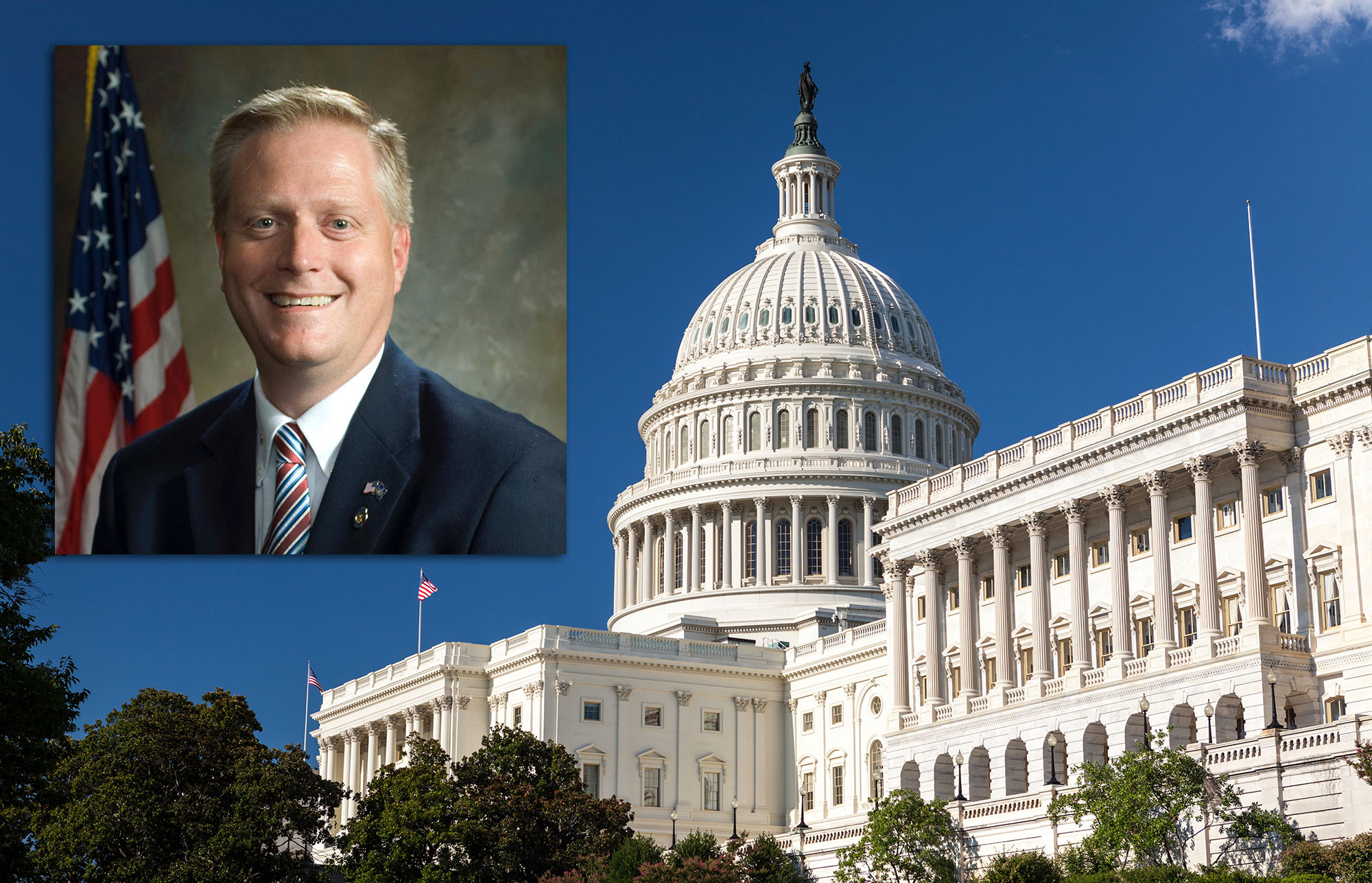
Congressman Keller announces USDA Community Facilities Direct Loan Program awards

$129,500 in combined grants for Renovo Borough and Chapman Township will go to rural development

Washington, D.C. — Congressman Fred Keller (R-PA) announced today that the United States Department of Agriculture (USDA) has awarded Renovo Borough and Chapman Township, both located in Clinton County, grants that will fund local projects.

A grant in the amount of $59,500 in Renovo Borough will go toward a new air conditioning system for the borough building and a four-wheel drive law enforcement vehicle.

A grant in the amount of $70,00 in Chapman Township will go toward a new plow truck to maintain mountainous roads during the winter.

On the awarding of the grants, Congressman Fred Keller made the following statement:

“I congratulate Renovo Borough and Chapman Township on receiving these vital grants from USDA.

“Too often in rural communities, local officials are left to make do with inadequate resources. I am glad to see that we are bringing our rural communities into the fold and investing in critical projects that will improve the standard of living in these areas.

“I look forward to seeing the positive impact that these grants will have for the residents of Renovo Borough and Chapman Township.”

Congressman Fred Keller: “Governor Wolf is punishing hardworking Pennsylvanians who have done everything right”

Says new order restricting hospitality industry will kill businesses, jobs

Washington, D.C. — Congressman Fred Keller (R-PA) today released the following statement in response to Governor Tom Wolf’s latest statewide mandate further restricting operations of Pennsylvania bars and restaurants:

“Pennsylvania businesses cannot survive another Governor Wolf-imposed shutdown. The hospitality industry in particular has been one of the hardest hit by Governor Wolf’s inconsistent and confusing shutdown mandates. Many bars and restaurants spent what little Paycheck Protection Program money they have left preparing for the Governor’s 50 percent capacity mandate. Further restrictions will mean the permanent loss of family-owned businesses and the thousands of jobs they support. Governor Wolf is punishing hardworking Pennsylvanians who have done everything right.”

Wolf Administration Announces Targeted Mitigation Efforts in Response to Recent COVID Case Increases

Harrisburg, PA – Governor Tom Wolf and Sec. of Health Dr. Rachel Levine today signed new orders for targeted mitigation efforts in response to the recent rise in COVID cases, primarily in southwest Pennsylvania, but also in other counties in the state, influencing the decision for statewide mitigation efforts for bars and restaurants, gatherings and telework. The new orders take effect at 12:01 a.m., Thursday, July 16, 2020.

“During the past week, we have seen an unsettling climb in new COVID-19 cases,” Gov. Wolf said. “When we hit our peak on April 9, we had nearly two thousand new cases that day with other days’ cases hovering around 1,000. Medical experts looking at the trajectory we are on now are projecting that this new surge could soon eclipse the April peak. With our rapid case increases we need to act again now.”

The mitigation efforts included in the new orders from Gov. Wolf and Dr. Levine include:

Bars and Restaurants

All businesses in the retail food services industry, including restaurants, wineries, breweries, private clubs, and bars, are permitted to provide take-out and delivery sales of food, as well as dine-in service in both indoor and outdoor seating areas so long as they strictly adhere to the requirements of the guidance, as required by the order, including:

  • Prohibition from conducting operations unless the facility offers sit-down, dine-in meals or is serving take-out sales of alcoholic beverages. All service must be at a table or booth; bar service is prohibited.
  • Alcohol only can be served for on-premises consumption when in the same transaction as a meal.
  • Take-out sales of alcohol for the purposes of off-site consumption are permitted subject to any limitations or restrictions imposed by Pennsylvania law.
  • Non-bar seating in outdoor areas (i.e. tables or counter seats that do not line up to a bar or food service area) may be used for customer seating.
  • Social distancing, masking, and other mitigation measures must be employed to protect workers and patrons.
  • Occupancy is limited to 25 percent of stated fire-code maximum occupancy for indoor dining, or 25 persons for a discrete indoor event or gathering in a restaurant. The maximum occupancy limit includes staff.

Nightclubs

  • All nightclubs, as defined by the Clean Indoor Air Act, 35 P.S. § 637.2, are prohibited from conducting operations.

Other events and gatherings

Events and gatherings must adhere to these gathering limitations:

  • Indoor events and gatherings of more than 25 persons are prohibited.
  • Outdoor events and gatherings of more than 250 persons are prohibited.
  • The maximum occupancy limit includes staff.

Teleworking

  • Unless not possible, all businesses are required to conduct their operations in whole or in part remotely through individual teleworking of their employees in the jurisdiction or jurisdictions in which they do business.
  • Where telework is not possible, employees may conduct in-person business operations, provided that the businesses fully comply with all substantive aspects of the business safety order, the worker safety order, and the masking order.

Gyms and fitness facilities

  • All gyms and fitness facilities, while permitted to continue indoor operations, are directed to prioritize outdoor physical fitness activities. All activities must follow masking requirements as provided by the July 1 order, and must provide for social distancing requirements of persons being at least 6 feet apart, as well as being limited by any limitations related to gatherings.

Enforcement

Businesses and individuals in violation of these orders, issued pursuant to the authority granted to the Governor and the Secretary of Health under the law, including the Pennsylvania Disease Control and Prevention Law, could be subject to fines, business closure or other applicable enforcement measures.

Beginning with a spike in cases in Allegheny County in late June, Pennsylvania has seen cases continue to rise there and in other southwest counties, along with additional select counties in the state.

The state has identified three catalysts for case increases:

  • First, some Pennsylvanians have been ignoring mask-wearing requirements and social distancing when they are visiting Pennsylvania bars and restaurants. There they are unknowingly spreading or picking up the virus.
  • Second is out-of-state travel. Both by Pennsylvanians returning from travel to hotspot states, and travelers visiting our commonwealth from those hotspots.
  • And third, a lack of national coordination has resulted in states in the south and west not committing to social distancing.

“The actions the governor and I are taking today are designed to be surgical and thus precise to prevent from repeating the cycle we saw in the spring,” said Dr. Levine. “We have gained a great deal of experience since the start of this outbreak and have learned from best practices from other states as well as counties right here in Pennsylvania.”

Gov. Wolf and Dr. Levine were joined via Skype by Dr. David Rubin, a general pediatrician and director of PolicyLab at Children’s Hospital of Philadelphia. Dr. Rubin and his colleagues developed a unique model, which tracks and projects COVID-19 transmission in real-time across more than 500 U.S. counties with active outbreaks. The model was built to observe how social distancing, population density, daily temperatures and humidity affect the number and spread of COVID-19 infections over time across a given county.

“Over the last few weeks, public health reporting and our team’s modeling work have uncovered incontrovertible evidence that the virus is sweeping quickly into the northeast region of the United States from the west and south—where there has been a failure in some states to practice vigilance in masking and social distancing—and that it has already begun its resurgence in Pennsylvania,” said Dr. David Rubin, a general pediatrician and director of PolicyLab at Children’s Hospital of Philadelphia. “We can halt this momentum in its tracks. Governor Wolf’s measures will help stop the continued spread of the virus into Pennsylvania and its surrounding states, which would threaten the reopening of schools and our economy in the coming months.”

Pennsylvanians should consider that even with indoor dining limited and bars closed for on-premises alcohol consumption, cocktails to-go are still permitted and there is no shortage of outdoor dining options.

Small gatherings of friends in the backyard or at a local park are permitted and children and families are encouraged to responsibility take advantage of one or more of Pennsylvania’s 121 state parks or other local outdoor fitness options, including at local gyms that are following social distancing protocols.

“Children can visit local playgrounds, community pools, and enjoy outdoor activities with family,” Gov. Wolf said. “We want people to spend time together, but to do so while practicing social distancing and wearing masks when required, such as any time you leave your home and are not participating in outdoor fitness.

“We have seen these efforts work during the first wave in the spring, and they will work again if we all do our part. Thank you to every Pennsylvanian for your continued patience and support. I know you are eager for life to get back to normal, and I am, too.”

View the Governor’s order

View the Secretary of Health’s order

DOH: 349 Nursing Homes have Completed Universal COVID-19 Testing, Others to Complete by July 24

Harrisburg, PA – The Pennsylvania Department of Health today recognized nursing homes for reporting their COVID-19 facility information and 349 of the state’s 563 nursing homes for completing mandated universal testing. Secretary of Health Dr. Rachel Levine also reminded all other nursing homes to report data daily and complete universal testing at least once by July 24.

“Our goal with implementing this universal testing in nursing homes is to rapidly detect asymptomatic positive residents and staff, manage their care and prevent further transmission of COVID-19 in these living settings,” Secretary of Health Dr. Levine said. “As facilities implement universal testing and continue to report their facility information, it will help us understand how COVID-19 is impacting these vulnerable populations. Thank you to those facilities that have taken responsibility for completing and reporting, we appreciate your continued efforts to support residents across the state.”

This nursing home data, along with other long-term care facility (LTCF) data, is updated every Tuesday. Facilities are mandated by the Department of Health to report the number of cases, number of employee cases and number of deaths that have occurred at each facility. This nursing home data now includes the facilities that have completed universal testing across the state.

The department is helping facilities that are not reporting, or not reporting properly, to ensure the data is being shared properly in order to provide a comprehensive update each week. For facilities with fewer than five in any of the collected data points, the information is redacted to protect patient confidentiality. As testing becomes more widespread and ultimately universal, it is important that all facilities report all necessary information.

The Wolf Administration’s strategy to protect residents of LTCFs focuses on ensuring resident safety through education, resources and testing; preventing and mitigating outbreaks; and working in partnership with other state agencies, municipal and county health departments and LTCFs.

The Department of Health partnered with CVS Health and Eurofins to provide additional assistance in nursing homes to ensure facilities have access to COVID-19 testing resources statewide.

For more, please visit our COVID-19 information for Nursing Homes website.

The Wolf Administration stresses the role Pennsylvanians play in helping to reduce the spread of COVID-19:

  • Wash your hands with soap and water for at least 20 seconds or use hand sanitizer if soap and water are not available.
  • Cover any coughs or sneezes with your elbow, not your hands.
  • Clean surfaces frequently.
  • Stay home to avoid spreading COVID-19, especially if you are unwell.
  • If you must go out, you are required to wear a mask when in a business or where it is difficult to maintain proper social distancing.

Updated Coronavirus Links: Press Releases, State Lab Photos, Graphics

All Pennsylvania residents are encouraged to sign up for AlertPA, a text notification system for health, weather, and other important alerts like COVID-19 updates from commonwealth agencies. Residents can sign up online at www.ready.pa.gov/BeInformed/Signup-For-Alerts.

Wolf Administration: Farmers Market Nutrition Program Connects Hungry Pennsylvanians with Fresh, Local Food

Harrisburg, PA – At the new Allison Hill Farmers Market in Harrisburg today, the Departments of Agriculture, Aging and Health reminded Pennsylvania’s low-income seniors and WIC recipients to use their vouchers from the Pennsylvania Farmers Market Nutrition Program (FMNP) to purchase fresh, local fruits, vegetables, and herbs from farmers markets and farm stands across the commonwealth.

“In a state as agriculturally rich as Pennsylvania, no one should go hungry. The way this program connects farmers directly with individuals in need to provide fresh, local, nourishment is ideal,” said Agriculture Secretary Redding. “COVID-19 has created a broad community of need in Pennsylvania – but our food assistance programs, like FMNP, were designed for times like these. I encourage everyone with vouchers to use them, go pick up some local comfort food. And know that you’re supporting a local farm family by redeeming your vouchers.”

From June through November, the WIC and Senior Farmers Market Nutrition Programs provide low-income seniors and eligible participants in the WIC program with vouchers to purchase Pennsylvania-grown fruits, vegetables, and fresh-cut herbs from approved farm markets and farm stands across the commonwealth. In an effort to protect vulnerable Pennsylvanians and effectively mitigate against COVID-19, vouchers are distributed to participants via mail from WIC clinics and Area Agencies on Aging.

“Older adults who suffer from food insecurity have inadequate diets, a higher risk of depression and other poor health outcomes. Programs such as the Senior Farmers Market Nutrition Program make it possible for vulnerable adults, 60 years of age and over, to access nutritious foods and help them live healthy lives,” said Secretary of Aging Robert Torres. “I urge all older Pennsylvanians to contact their local Area Agency on Aging for any assistance they require to receive their free vouchers, and to follow COVID-19 safety guidelines when visiting these markets.”

To be eligible, seniors must be 60 years old by December 31, 2020 and have incomes that do not exceed 185 percent of the federal poverty level, which is currently $23,606 per year for a single person or $31,894 for a household of two. Eligible seniors can contact their local Senior FMNP Agency for additional information regarding how to apply for vouchers. Women and children ages 1-4 who are participating in WIC are eligible to receive vouchers under the WIC Farmers Market Nutrition Program. These vouchers are being distributed to eligible recipients either through the mail or via a drop box at their local WIC agency. Each eligible recipient receives four $6.00 checks to spend throughout the season. Participants may redeem vouchers from June 1 through November 30, 2020.

“The COVID-19 pandemic has challenged Pennsylvanians to take precautions to protect the health and well-being of ourselves and those around us and the attention to our nutritional needs should not stop in the midst of this crisis,” said Secretary of Health Dr. Rachel Levine. “In addition to washing our hands and wearing a mask, it is important to eat the proper foods to maintain a healthy lifestyle. While utilizing food assistance programs like the WIC program or FMNP, Pennsylvanians have the opportunity to learn, develop and form healthy eating habits that can have life-long benefits.”

Just last year, the Department of Agriculture launched the FMNP Market Locator app for iOS and Android devices. The free app is available in the Apple App Store and the Google Play Store. Once loaded on a mobile device, users can either enable their location services on the phone or manually enter a location (city, town, zip code) to find participating markets or farm stands nearby. The app will show the market location, address, directions, phone number, and hours.

“Tri County Community Action (TCCA) is excited to have the Allison Hill Farmers Market, which provides families in our community with access to fresh, local produce through partnerships with local farmers and organizations,” said TCCA Executive Director Jennifer Wintermyer. “Knowing how important fresh produce is for a family’s well-being, we encourage vendors who participate in the FMNP, and have even launched a SNAP Market Match. Meaning, families who spend $10 of their EBT credit will receive an additional $10 in Market tokens to use for eligible produce. The combination of FMNP, SNAP, and Market Match can make a huge impact on a family’s budget and overall health, all while supporting local growers and vendors.”

The Allison Hill Farmers Market and its vendors are eligible to apply for the Fresh Food Financing Initiative COVID-19 Relief Fund, announced last week by Governor Wolf, to make infrastructure improvements to effectively mitigate against COVID-19 and provide improved access to fresh, nutritious foods for the community they serve. The market would be prioritized as a result of their service to a low-income and Black, Indigenous, and People of Color (BIPOC) community.

For more information on the Farmers Market Nutrition Program or other Food Security resources in Pennsylvania, visit agriculture.pa.gov/foodsecurity.

Note: Photos and video from this event will be available at PAcast.com.