July 15, 2020 – Department of Health Report

Department of Health Provides Update on COVID-19,

994 Positives Bring Statewide Total to 97,665

Harrisburg, PA – The Pennsylvania Department of Health today confirmed as of 12:00 a.m., July 15, that there are 994 additional positive cases of COVID-19, bringing the statewide total to 97,665. All 67 counties in Pennsylvania have cases of COVID-19.

Allegheny is reporting an increase of 246 cases and Philadelphia is reporting an increase of 135 cases.

The number of tests administered within the last 7 days between July 8 and July 14 is 139,819 with 5,372 positive cases.  In the last day, close to 28,800 COVID-19 diagnostic test results were reported to the department, the highest one-day number of COVID-19 diagnostic test results reported.

There are 6,957 total deaths attributed to COVID-19, an increase of 26 new deaths reported. County-specific information and a statewide map are available on the COVID-19 Data Dashboard.

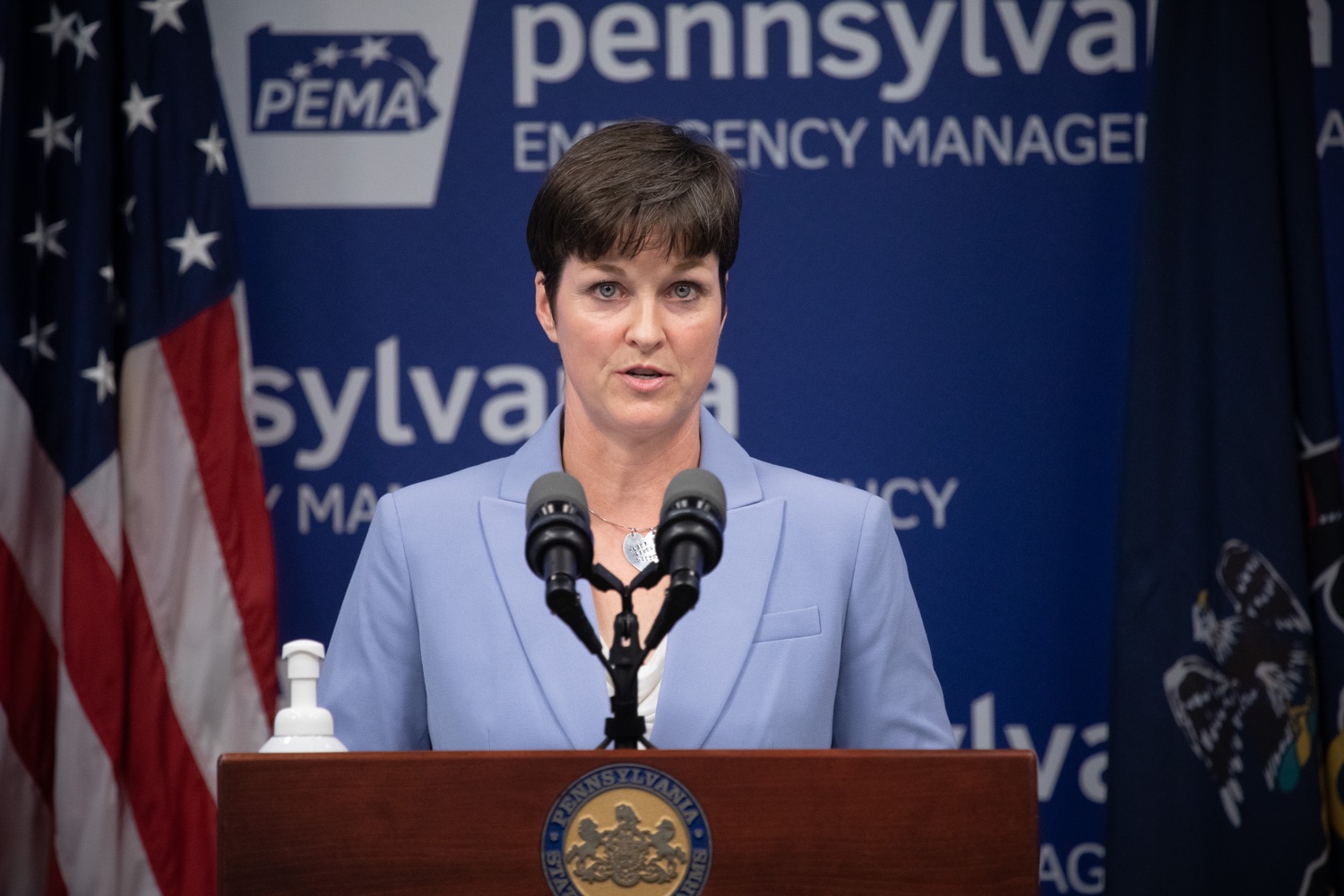
“As the entire state is now in the green phase, we must remain committed to protecting against COVID-19 by wearing a mask, practicing social distancing and avoiding large gatherings,” Secretary of Health Dr. Rachel Levine said. “Pennsylvania has been a model for the country on how to reopen effectively using a careful, measured approach. However, the virus has not gone away and we are seeing cases rise, especially in Southwest Pennsylvania.”

Mask-wearing is required in all businesses and whenever leaving home. Consistent mask-wearing is critical to preventing the spread of COVID-19.

There are 637 patients who have a positive serology test and either COVID-19 symptoms or a high-risk exposure, which are considered probable cases and not confirmed cases. There are 870,984 patients who have tested negative to date. Of the patients who have tested positive to date the age breakdown is as follows:

  • 1% are ages 0-4;
  • 1% are ages 5-12;
  • Nearly 3% are ages 13-18;
  • 8% are ages 19-24;
  • 37% are ages 25-49;
  • Nearly 24% are ages 50-64; and
  • Nearly 26% are ages 65 or older.

Most of the patients hospitalized are ages 65 or older, and most of the deaths have occurred in patients 65 or older. More data is available here.

The department is seeing significant increases in the number of COVID-19 cases among younger age groups, particularly 19 to 24-year-olds. An alert was sent to healthcare providers about the changing COVID-19 case demographics, as there are more cases in younger age groups than in those 50-64 and 65+. The following regions have seen significant increases among 19 to 24-year-olds in each month from April to present in July:

  • SW – Approximately 5 percent of cases in April to 23 percent of cases so far in July;
  • SE – Nearly 5 percent of cases in April to approximately 17 percent of cases so far in July;
  • NE – Nearly 6 percent of cases in April to nearly 17 percent of cases so far in July;
  • NW – Nearly 7 percent of cases in April to nearly 12 percent of cases so far in July; and
  • NC – Nearly 8 percent of cases in April to nearly 13 percent of cases so far in July.
  • SC – Approximately 7 percent of cases in April to nearly 13 percent of cases so far in July.

In nursing and personal care homes, there are 18,384 resident cases of COVID-19, and 3,517 cases among employees, for a total of 21,901 at 763 distinct facilities in 57 counties. Out of our total deaths, 4,767 have occurred in residents from nursing or personal care facilities. A county breakdown can be found here.

Approximately 7,284 of our total cases are in health care workers.

For the latest information for individuals, families, businesses and schools, visit “Responding to COVID-19” on pa.gov.

Currently, all 67 counties are in the green phase of reopening.

Statewide – The Wolf Administration has since noon, July 14:

The Wolf Administration stresses the role Pennsylvanians play in helping to reduce the spread of COVID-19:

  • Wash your hands with soap and water for at least 20 seconds or use hand sanitizer if soap and water are not available.
  • Cover any coughs or sneezes with your elbow, not your hands.
  • Clean surfaces frequently.
  • Stay home to avoid spreading COVID-19, especially if you are unwell.
  • If you must go out, you are required to wear a mask when in a business or where it is difficult to maintain proper social distancing.

Updated Coronavirus Links: Press Releases, State Lab Photos, Graphics

All Pennsylvania residents are encouraged to sign up for AlertPA, a text notification system for health, weather, and other important alerts like COVID-19 updates from commonwealth agencies. Residents can sign up online at www.ready.pa.gov/BeInformed/Signup-For-Alerts.

DHS Announces Health Systems and Academic Medical Centers Selected for Regional Response Health Collaboration Program

Harrisburg, PA – The Department of Human Services (DHS) today announced applicants selected to participate in the Regional Response Health Collaboration Program (RRHCP). The RRHCP will directly support COVID-19 continued readiness and response planning in long-term residential care facilities, improve quality of care related to infection prevention, expand COVID-19 testing to include asymptomatic staff and residents in facilities, and facilitate continuity of care and services provided by long-term care facilities in an attempt to mitigate the risk of spread of COVID-19 to staff or residents. This effort is a collaboration between DHS, the Pennsylvania Department of Health, Centers for Disease Control and Prevention, and the Pennsylvania Emergency Management Agency.

“Long-term care providers provide a home and care for some of the most vulnerable Pennsylvanians, and COVID-19 remains a serious threat. The Wolf Administration will continue to do all we can to support our long-term care providers during this pandemic and beyond,” said DHS Secretary Teresa Miller. “The Regional Response Health Collaboration Program will build on accomplishments thus far and be a resource to long-term care facilities as COVID-19 evolves. Through these collaboratives, long-term care facilities will have a network to learn, respond, and prepare for what is ahead in the fight against COVID-19.”

More than 45,000 Pennsylvanians live in more than 1,200 personal care homes and assisted living residences, and more than 80,000 residents live in 693 skilled nursing facilities throughout the commonwealth. These residents are often some of the most vulnerable and susceptible to COVID-19 due to age, presence of existing health conditions that may lead to complications, and the congregate nature of these facilities.

The RRHCP will provide clinical, operational, and administrative support to protect residents in long-term care facilities from COVID-19. It will help those facilities implement best practices in infection control, implement contact tracing programs in facilities, support clinical care through on-site and telemedicine services, and provide remote monitoring and consultation with physicians. The RRHCP will assist in identifying alternate care arrangements for patients no longer requiring acute care but needing assistance in returning to their long-term care facilities.

Selected grantees will be awarded $175 million collectively through funding approved by the General Assembly. Funding for the RRHCP is divided regionally by the long-term care facility census in each region. Applicants selected and the regions they will serve include:

  1. Southeast Region ($65.8 million):
    1. Thomas Jefferson University
    2. University of Pennsylvania
  1. Northeast Region ($24 million):
    1. Geisinger Clinic
    2. Lehigh Valley Hospital, Inc
  1. Southcentral Region ($22.9 million):
    1. The Pennsylvania State University
  1. Northcentral Region ($9.8 million):
    1. Geisinger Clinic
  1. Southwest Region ($38.9 million):
    1. UPMC Community Provider Services
  1. Northwest Region ($13.6 million):
    1. LECOM Health
    2. UPMC Community Provider Services

The program will also support facilities as they enhance testing capability for both individuals in care and staff under the expanded statewide testing order released last month. The RRHCP partners will be a critical resource in implementing this testing order for facilities that do not have dedicated clinical staff.

The RRHCP is based on the Educational Support and Clinical Coaching Program (ESCCP), a learning network that provided technical assistance and educational support to long-term care facilities in light of the current pandemic. Unlike the ESCCP, which operated on a voluntary basis, the RRHCP will operate under grant agreements through December 1, 2020.

Visit pa.gov for a “Responding to COVID-19” guide or the Pennsylvania Department of Health’s dedicated Coronavirus webpage for the most up-to-date information regarding COVID-19.

Guidance to DHS providers related to COVID-19 is available here.

Wolf Administration Warns of Dangers of Not Protecting Against COVID-19

Harrisburg, PA – Department of Health Secretary Dr. Rachel Levine today warned the commonwealth is on the verge of repeating the pattern that led to widespread community shut-downs in the spring to mitigate COVID-19, urging residents to stop the cycle by wearing a mask and making important choices to reduce exposure.

“At the start of the pandemic, we saw a higher number of cases in people ages 19-49, before it spread to those over age 65,” Dr. Levine said. “This pattern is now repeating. There are things we can do right now to stop this cycle, beginning with wearing a mask, staying at least six feet away from others not in your household, and maintaining healthy habits like washing your hands.”

The number of Pennsylvanians over the age of 65 who are positive for COVID-19 has dropped to about half of the overall cases. The number of Pennsylvanians aged 19-49 with positive cases now account for 45 percent of the total case count.

“Our experience from the beginning of the pandemic shows that first cases rose in younger people, some of whom became very sick, required hospitalization and went on to recover,” Dr. Levine said. “Then COVID-19 spread quickly throughout the community, impacting congregate settings like nursing homes where most of our serious illnesses and deaths have occurred.”

Dr. Levine encouraged residents to make the choice and avoid situations where they could be exposing themselves to COVID-19.

“If you feel uncomfortable with how close people are at the restaurant where you are dining, make the choice to leave,” Dr. Levine said. “If you are in a store where people are not following the mandatory mask order, make the choice to leave. And if you are getting together with people who are bragging that they are not changing their lifestyle at all and refusing to wear a mask, make the choice not to go.”

Symptoms of COVID-19 can include:

  • Fever
  • Cough
  • Shortness of breath or difficulty breathing
  • Diarrhea
  • Vomiting
  • Chills
  • Repeating shaking with chills
  • Muscle pain
  • Headache
  • Sore throat
  • New loss of taste or smell

Symptoms may appear in as few as two days or as long as 14 days after exposure. Reported illnesses have ranged from people with little to no symptoms to people being severely ill and dying.

For the latest information for individuals, families, businesses and schools, visit “Responding to COVID-19” on pa.gov.

The Wolf Administration stresses the role Pennsylvanians play in helping to reduce the spread of COVID-19:

  • Wash your hands with soap and water for at least 20 seconds or use hand sanitizer if soap and water are not available.
  • Cover any coughs or sneezes with your elbow, not your hands.
  • Clean surfaces frequently.
  • Stay home to avoid spreading COVID-19, especially if you are unwell.
  • If you must go out for a life-sustaining reason, please wear a mask.

Updated Coronavirus Links: Press Releases, State Lab Photos, Graphics

All Pennsylvania residents are encouraged to sign up for AlertPA, a text notification system for health, weather, and other important alerts like COVID-19 updates from commonwealth agencies. Residents can sign up online at www.ready.pa.gov/BeInformed/Signup-For-Alerts.
Congressman Keller urges House Leadership to consider additional measures to keep hardwood industry operational

Sends bipartisan letter recommending future relief for the industry 

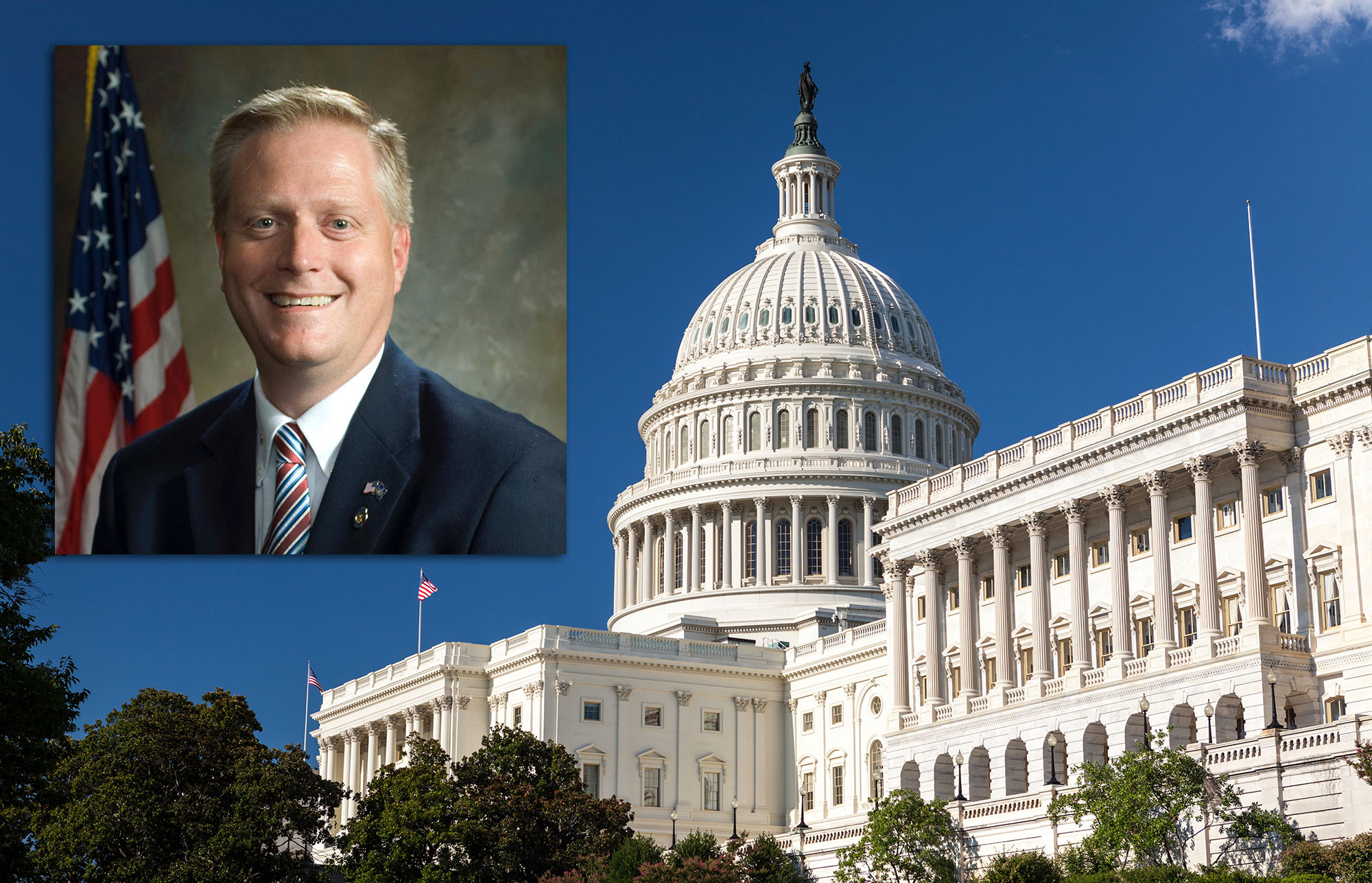
Washington, D.C. – Congressman Fred Keller (PA-12) sent a letter to House Leadership recommending additional relief for the hardwood industry, which continues to struggle due to the COVID-19 crisis.

“The U.S. hardwood industry is fully integrated from logging to manufacturing finished consumer goods including flooring, cabinets, and moldings,” the letter reads. “The tissue and paper supplies made of residual chips and dust and the industrial mats, shipping pallets, and railway ties made from hardwood lumber play a crucial role in helping our economy recover from the devastating impacts of COVID-19. Specifically, the hardwood industry is responsible for approximately 1.8 million jobs in mostly rural areas.”

The letter, signed by eight other lawmakers, highlights the major considerations to be included in any additional relief package that would give the hardwood and forest product industry the tools they need to remain operational and begin to recover from the COVID-19 crisis.

On the letter, Dana Lee Cole, Executive Director of the Hardwood Federation, the nation’s largest hardwood industry trade association, made the follow statement:

“We appreciate the leadership of Congressman Keller and the rest of the signatories to this letter.  The U.S. hardwood industry has been severely impacted by the double blows struck by the U.S.-China trade dispute and the COVID-19 crisis. The efforts of these Members of  Congress to provide relief to the great American companies that are the backbone of so many rural economies is essential to the future of the industry.”

In addition to Congressman Keller, signees of the letter include:

  • Congressman Glenn “GT” Thompson (PA-15)
  • Congressman David McKinley (W.Va-01)
  • Congressman Bob Gibbs (OH-07)
  • Congresswoman Ann McLane Kuster (NH-02)
  • Congressman David Kustoff (TN-08)
  • Congressman Bruce Westerman (AR-04)
  • Congressman Mike Kelly (PA-16)
  • Congressman Trent Kelly (MS-01)

The letter can be found here Keller Wood Products Relief Letter.

DHS Secretary Reminds Pennsylvanians of Food Assistance Resources

Secretary of Human Services Teresa Miller answers questions from the press.Governor Tom Wolf announced that people with intellectual disabilities and autism and the providers of support services for these vulnerable Pennsylvanians will receive $260 million in CARES Act funding to help continue to provide services during the COVID-19 pandemic. Gov. Wolf was joined by Department of Human Services Secretary Teresa Miller, who outlined to details of funding allocations. JUNE 15, 2020 – HARRISBURG, PA


Philadelphia, PA – Department of Human Services (DHS) Secretary Teresa Miller today visited Philabundance to assist with on-going volunteer efforts to ensure food is available for people and families experiencing challenges from the COVID-19 pandemic and current economic insecurity. Secretary Miller and Philabundance Chief Executive Officer Loree D. Jones reminded Pennsylvanians of food assistance resources available even and especially amidst COVID-19 mitigation efforts.

“Difficult circumstances created by the pandemic have not subsided, and many people around Pennsylvania still must endure challenges that come from COVID-19’s effect on the state’s and nation’s economies,” said Secretary Miller. “Food banks like Philabundance mobilized quickly to serve individuals and families in their communities so people affected by job or income loss would not have to go hungry, and the Wolf Administration is incredibly grateful for their unending commitment to communities they serve. If you are able, I encourage all Pennsylvanians to support their local food bank so the charitable food network can continue to be there to meet the need of people affected by this pandemic in the uncertain weeks and months to come.”

“The COVID-19 pandemic has impacted food banks on so many levels,” explained Philabundance CEO Loree D. Jones. “From seeing up to a 60% increase in need across the Delaware Valley to volunteers and donations dwindling and food prices sky rocketing, Philabundance needs your generosity to continue providing our neighbors with healthy food during this crisis and beyond.”

Pennsylvanians who need help feeding themselves or their family should find and contact their local food bank or pantry through Feeding Pennsylvania and Hunger-Free Pennsylvania.

Help with buying food is also available through the Supplemental Nutrition Assistance Program (SNAP). SNAP helps more than 1.9 million Pennsylvanians expand purchasing power by providing money each month to spend on groceries, helping households have resources to purchase enough food to avoid going hungry. Inadequate food and chronic nutrient deficiencies have profound effects on a person’s life and health, including increased risks for chronic diseases, higher chances of hospitalization, poorer overall health, and increased health care costs. As the nation faces the COVID-19 pandemic, access to essential needs like food is more important than ever to help keep vulnerable populations healthy and mitigate co-occurring health risks.

Applications for SNAP and other public assistance programs can be submitted online at www.compass.state.pa.us. Those who prefer to submit paper documentation can print from the website or request an application by phone at 1-800-692-7462 and mail it to their local County Assistance Office (CAO) or place it in a CAO’s secure drop box, if available. While CAOs remain closed, work processing applications, determining eligibility, and issuing benefits continues. Clients should use COMPASS or the MyCOMPASS PA mobile app to submit necessary updates to their case files while CAOs are closed.

All applications for SNAP are screened the day they are received for expedited services criteria. For households with minimal income and resources, the SNAP application can be expedited and processed within five days, and all Pennsylvanians who are in a difficult financial situation due to the economic challenges of this pandemic should apply to see if they are eligible for assistance.

Secretary Miller and CEO Jones also encouraged anyone who is healthy and able to please consider taking some time to support their food bank or pantry through volunteer time or monetary donations, as this time is creating an incredible strain on charitable organizations’ volunteer efforts and resources.

Anyone interested in volunteering can find organizations in need of volunteer support on the United Way of Pennsylvania’s 211 website.

For more information about food assistance resources for people around Pennsylvania impacted by COVID-19 and the accompanying economic insecurity, visit https://www.agriculture.pa.gov/Food_Security/Pages/default.aspx.

NOTE: B-roll and photos are available from this visit. Please contact the DHS or Philabundance press contacts if you would like these materials.

July 12, 2020 – Department of Health Report

Department of Health Provides Update on COVID-19, 725 Positives Bring Statewide Total to 95,414

Harrisburg, PA – The Pennsylvania Department of Health today confirmed as of 12:00 a.m., July 12, that there are 725 additional positive cases of COVID-19, bringing the statewide total to 95,414. All 67 counties in Pennsylvania have cases of COVID-19.

The number of new cases in Allegheny County increased by 200 cases overnight. Philadelphia County reported 148 new cases overnight.

The number of tests administered within the past 7 days between July 5 and July 11 was 137,084 with 5,314 positive test results.

The data section of the website is down for maintenance, so only new cases are being reported. The table included below shows new cases by county.

County
Cases
Confirmed
Probable
ADAMS
396
383
13
ALLEGHENY
4962
4771
191
ARMSTRONG
86
86
0
BEAVER
837
812
25
BEDFORD
92
85
7
BERKS
4692
4534
158
BLAIR
104
93
11
BRADFORD
59
52
7
BUCKS
6083
5537
546
BUTLER
421
381
40
CAMBRIA
136
115
21
CAMERON
4
4
0
CARBON
298
294
4
CENTRE
243
226
17
CHESTER
4012
3797
215
CLARION
62
58
4
CLEARFIELD
90
70
20
CLINTON
97
85
12
COLUMBIA
419
395
24
CRAWFORD
77
61
16
CUMBERLAND
947
902
45
DAUPHIN
2290
2227
63
DELAWARE
7548
7320
228
ELK
29
25
4
ERIE
712
608
104
FAYETTE
196
187
9
FOREST
7
5
2
FRANKLIN
1003
972
31
FULTON
19
17
2
GREENE
70
62
8
HUNTINGDON
258
251
7
INDIANA
150
140
10
JEFFERSON
37
31
6
JUNIATA
116
109
7
LACKAWANNA
1761
1702
59
LANCASTER
4844
4739
105
LAWRENCE
174
151
23
LEBANON
1441
1381
60
LEHIGH
4430
4379
51
LUZERNE
3017
2959
58
LYCOMING
242
225
17
MCKEAN
20
12
8
MERCER
169
148
21
MIFFLIN
72
67
5
MONROE
1471
1428
43
MONTGOMERY
8856
8841
15
MONTOUR
79
71
8
NORTHAMPTON
3554
3442
112
NORTHUMBERLAND
346
312
34
PERRY
92
85
7
PHILADELPHIA
22987
22979
8
PIKE
504
479
25
POTTER
18
15
3
SCHUYLKILL
776
747
29
SNYDER
72
61
11
SOMERSET
81
71
10
SULLIVAN
10
5
5
SUSQUEHANNA
195
188
7
TIOGA
29
23
6
UNION
99
89
10
VENANGO
36
23
13
WARREN
10
5
5
WASHINGTON
447
430
17
WAYNE
141
134
7
WESTMORELAND
994
968
26
WYOMING
45
42
3
YORK
1850
1804
46
Total
95414
92700
2714

Death data and additional numbers will be updated Monday the Department of Health website.

“As the entire state is now in the green phase, we must remain committed to protecting against COVID-19 by wearing a mask, practicing social distancing and avoiding large gatherings,” Secretary of Health Dr. Rachel Levine said. “Pennsylvania has been a model for the country on how to reopen effectively using a careful, measured approach. However, the virus has not gone away, and we are seeing cases rise, especially in Southwest Pennsylvania.”

Mask-wearing is required in all businesses and whenever leaving home. Consistent mask-wearing is critical to preventing the spread of COVID-19.

There are 635 patients who have a positive serology test and either COVID-19 symptoms or a high-risk exposure, which are considered probable cases and not confirmed cases. There are 829,018 patients who have tested negative to date. Of the patients who have tested positive to date the age breakdown is as follows:

  • Nearly 1% are ages 0-4;
  • 1% are ages 5-12;
  • Nearly 3% are ages 13-18;
  • 8% are ages 19-24;
  • 37% are ages 25-49;
  • Nearly 24% are ages 50-64; and
  • 26% are ages 65 or older.

Most of the patients hospitalized are ages 65 or older, and most of the deaths have occurred in patients 65 or older. More data is available here.

The department is seeing significant increases in the number of COVID-19 cases among younger age groups, particularly 19 to 24-year-olds. An alert was sent to healthcare providers over the weekend about the changing COVID-19 case demographics, as there are more cases in younger age groups than in those 50-64 and 65+. The following regions have seen significant increases among 19 to 24-year-olds in each month from April to present in July:

  • SW – Just over 5 percent of cases in April to over 25 percent of cases so far in July;
  • SE – Nearly 5 percent of cases in April to over 16 percent of cases so far in July;
  • NE – Nearly 6 percent of cases in April to over 16 percent of cases so far in July;
  • NW – Nearly 7 percent of cases in April to over 12 percent of cases so far in July; and
  • NC – Nearly 8 percent of cases in April to nearly 13 percent of cases so far in July.
  • SC – Just over 7 percent of cases in April to nearly 13 percent of cases so far in July.

In nursing and personal care homes, there are 18,258 resident cases of COVID-19, and 3,471 cases among employees, for a total of 21,729 cases at 748 distinct facilities in 57 counties. Out of our total deaths, 4,706 have occurred in residents from nursing or personal care facilities. A county breakdown can be found here.

Approximately 7,132 of our total cases are in health care workers.

For the latest information for individuals, families, businesses and schools, visit “Responding to COVID-19” on pa.gov.

Currently, all 67 counties are in the green phase of reopening.

The Wolf Administration stresses the role Pennsylvanians play in helping to reduce the spread of COVID-19:

  • Wash your hands with soap and water for at least 20 seconds or use hand sanitizer if soap and water are not available.
  • Cover any coughs or sneezes with your elbow, not your hands.
  • Clean surfaces frequently.
  • Stay home to avoid spreading COVID-19, especially if you are unwell.
  • If you must go out, you are required to wear a mask when in a business or where it is difficult to maintain proper social distancing.

Updated Coronavirus Links: Press Releases, State Lab Photos, Graphics

All Pennsylvania residents are encouraged to sign up for AlertPA, a text notification system for health, weather, and other important alerts like COVID-19 updates from commonwealth agencies. Residents can sign up online at www.ready.pa.gov/BeInformed/Signup-For-Alerts.
July 11, 2020 – Department of Health Report

Department of Health Provides Update on COVID-19,

813 Positives Bring Statewide Total to 94,689

Harrisburg, PA – The Pennsylvania Department of Health today confirmed as of 12:00 a.m., July 11, that there are 813 additional positive cases of COVID-19, bringing the statewide total to 94,689. All 67 counties in Pennsylvania have cases of COVID-19.

The number of new cases in Allegheny County increased by 215 cases overnight. Philadelphia County increased by 105 cases overnight.

The number of tests administered within the past 7 days between July 4 and July 10 is 132,648 with 5,135 positive test results.

There are 6,897 total deaths attributed to COVID-19, an increase of 17 new deaths reported. County-specific information and a statewide map are available on the COVID-19 Data Dashboard.

“As the entire state is now in the green phase, we must remain committed to protecting against COVID-19 by wearing a mask, practicing social distancing and avoiding large gatherings,” Secretary of Health Dr. Rachel Levine said. “Pennsylvania has been a model for the country on how to reopen effectively using a careful, measured approach. However, the virus has not gone away, and we are seeing cases rise, especially in Southwest Pennsylvania.”

Mask-wearing is required in all businesses and whenever leaving home. Consistent mask-wearing is critical to preventing the spread of COVID-19.

There are 635 patients who have a positive serology test and either COVID-19 symptoms or a high-risk exposure, which are considered probable cases and not confirmed cases. There are 817,634 patients who have tested negative to date. Of the patients who have tested positive to date the age breakdown is as follows:

  • Nearly 1% are ages 0-4;
  • 1% are ages 5-12;
  • Nearly 3% are ages 13-18;
  • Nearly 8% are ages 19-24;
  • 37% are ages 25-49;
  • Nearly 24% are ages 50-64; and
  • 26% are ages 65 or older.

Most of the patients hospitalized are ages 65 or older, and most of the deaths have occurred in patients 65 or older. More data is available here.

The department is seeing significant increases in the number of COVID-19 cases among younger age groups, particularly 19 to 24-year-olds. An alert was sent to healthcare providers over the weekend about the changing COVID-19 case demographics, as there are more cases in younger age groups than in those 50-64 and 65+. The following regions have seen significant increases among 19 to 24-year-olds in each month from April to present in July:

  • SW – Just over 5 percent of cases in April to nearly 26 percent of cases so far in July;
  • SE – Nearly 5 percent of cases in April to nearly 16 percent of cases so far in July;
  • NE – Nearly 6 percent of cases in April to over 16 percent of cases so far in July;
  • NW – Nearly 7 percent of cases in April to over 12 percent of cases so far in July; and
  • NC – Nearly 8 percent of cases in April to 12 percent of cases so far in July.
  • SC – Just over 7 percent of cases in April to nearly 13 percent of cases so far in July.

In nursing and personal care homes, there are 18,216 resident cases of COVID-19, and 3,453 cases among employees, for a total of 21,669 cases at 748 distinct facilities in 57 counties. Out of our total deaths, 4,703 have occurred in residents from nursing or personal care facilities. A county breakdown can be found here.

Approximately 7,097 of our total cases are in health care workers.

For the latest information for individuals, families, businesses and schools, visit “Responding to COVID-19” on pa.gov.

Currently, all 67 counties are in the green phase of reopening.

Statewide – The Wolf Administration has since noon, July 10:

The Wolf Administration stresses the role Pennsylvanians play in helping to reduce the spread of COVID-19:

  • Wash your hands with soap and water for at least 20 seconds or use hand sanitizer if soap and water are not available.
  • Cover any coughs or sneezes with your elbow, not your hands.
  • Clean surfaces frequently.
  • Stay home to avoid spreading COVID-19, especially if you are unwell.
  • If you must go out, you are required to wear a mask when in a business or where it is difficult to maintain proper social distancing.

Updated Coronavirus Links: Press Releases, State Lab Photos, Graphics

All Pennsylvania residents are encouraged to sign up for AlertPA, a text notification system for health, weather, and other important alerts like COVID-19 updates from commonwealth agencies. Residents can sign up online at www.ready.pa.gov/BeInformed/Signup-For-Alerts.

Governor Wolf Signs Executive Order Authorizing Commonwealth Agencies to Conduct Remote Administrative Proceedings

Harrisburg, PA – In response to the COVID-19 pandemic and to help reduce unnecessary in-person contact that can spread the virus, Governor Tom Wolf signed an executive order today authorizing state agencies to conduct administrative proceedings remotely. Several state agencies conduct administrative proceedings including meetings and disciplinary hearings of the 29 occupational licensing boards and commissions under the Department of State.

“The virus has not gone away, and the state continues to take measured and necessary steps to protect the public and our employees,” said Gov. Wolf. “Virtual meetings are becoming routine in the private sector and in state government. Transitioning to remote meetings for administrative proceedings is a commonsense step to support social distancing and ensure the process functions in a safe and effective way while protecting the participants’ health.”

The executive order takes effect immediately and allows administrative proceedings to occur by phone, video or online. Independent agencies are strongly encouraged to implement this executive order.

More information about the Wolf Administration’s COVID-19 response is available at https://www.governor.pa.gov/covid-19/.

Dashboard Data Confirms Need for Masking, Social Distancing

Governor Tom Wolf speaks during a press conference addressing the 2019 Novel Coronavirus (COVID-19) in Pennsylvania, inside PEMA headquarters on Wednesday, June 10, 2020.


Harrisburg, PA – Today, Governor Tom Wolf released a weekly status update detailing the state’s mitigation efforts based on the COVID-19 Early Warning Monitoring System Dashboard comparing the seven-day period of July 3 – July 9 to the previous seven days, June 26 – July 2.

The dashboard is designed to provide early warning signs of factors that affect the state’s mitigation efforts. The data available on the dashboard includes week-over-week case differences, incidence rates, test percent-positive rates, and rates of hospitalizations, ventilations and emergency room visits tied to COVID-19.

“By looking at both statewide status and individual county status, we can take steps to stop increases before they become critical,” Gov. Wolf said. “One thing we know for certain is that we must continue to wear masks and practice social distancing. Risky behavior such as going out without a mask and congregating at a bar or in a crowded setting where social distancing isn’t being practiced are leading to spikes in cases and higher percent-positive rates.”

As of Thursday, July 9, the state has seen a seven-day case increase of 4,914; the previous seven-day increase was 4,359.

While the statewide percent-positivity rate is at 4.4%, counties with concerning percent-positivity rates include Allegheny (7.9%), Beaver (6.3%), Butler (5.5%), Clarion (14.6%), Fayette (5.2%), Greene (5.4%), Lawrence (5.8%), Lebanon (5.6%), Philadelphia (5.1%), Washington (7.2%), Westmoreland (5.4%) and York (6.3%). Each of these counties bears watching as the state continues to monitor all available data.

Today, the Department of Health updated its travel recommendations and frequently asked questions, originally announced on July 2, to include Delaware, Iowa, Kansas and Oklahoma on the list of states recommended for domestic travelers returning from to quarantine for 14 days upon return to Pennsylvania.

Gov. Wolf continues to prioritize the health and safety of Pennsylvanians through the COVID-19 pandemic. Pennsylvanians should continue to take actions to prevent the spread of COVID-19, regardless of the status of their county. This includes wearing a mask or face covering anytime they are in public. COVID-19 has been shown to spread easily in the air and contagious carriers can be asymptomatic.

Wolf Administration: Wear Masks to Protect and Support Local Businesses

Governor Tom Wolf speaks during a press conference addressing the 2019 Novel Coronavirus (COVID-19) in Pennsylvania, inside PEMA headquarters on Wednesday, June 10, 2020.


Harrisburg, PA – Governor Tom Wolf, Department of Community and Economic Development Secretary Dennis Davin, and Agriculture Secretary Russell Redding today reminded Pennsylvanians to wear masks while shopping and dining to protect and support our local businesses.

“Mask-wearing is much more than a requirement; it is a sign of support and respect for our local businesses,” Gov. Wolf said. “Pennsylvania businesses have made significant sacrifices over the past few months and now they are relying on us as consumers to help keep their doors open. Wearing a mask protects everyone from the virus and shows our respect and support for businesses and their employees. They mask-up each day and take other important health and safety measures to protect us and provide us with the goods and services we need and want.”

All businesses with in-person operations should follow the building and business safety guidelines issued by the Pennsylvania Secretary of Health and Centers for Disease Control and Prevention (CDC). Specifically, workers and customers must wear a mask when working, shopping, and dining, and employers should provide workers with masks who need them. Guidance for businesses are available for Pennsylvania businesses.

“Pennsylvania is opening back up, and with that freedom comes responsibility. We all need to mask up when visiting the restaurants, salons, and storefronts across the commonwealth,” said DCED Sec. Davin. “By asking patrons to wear masks, Pennsylvania’s business owners are stepping up to ensure that their customers and employees feel comfortable and safe. To keep Pennsylvania working, we all need to work together to stop the spread of coronavirus.”

Research shows that mask-wearing reduces risk of infection from COVID-19, while not wearing a mask greatly increase a person’s chances of being infected by this contagious and deadly virus.

“We want Pennsylvanians to get out and about, it’s important for our mental health to get back to some semblance of normal. But things still aren’t normal, and that’s why you need to wear a mask. Wearing a mask gives you freedom and minimizes risk,” said Secretary Redding. “Wear one for your community and your family. Wear one so that the friendly face you see at the farmers market each week is always there. And most importantly, wear one so that Pennsylvania can continue moving forward.”

Secretary of Health Dr. Rachel Levine signed an order mandating mask-wearing on July 1. It remains in effect. Frequently Asked Questions about the mask-wearing order can be found here.

NOTE: Videos of DCED Secretary Davin and Agriculture Secretary Redding on the importance of wearing a mask are available for download via PAcast.