Wolf Administration Awards Nearly $19 Million for Homelessness Assistance and Prevention

Harrisburg, PA — Today, Gov. Tom Wolf announced nearly $19 million in funding awards to assist in mitigating the impacts of the coronavirus on homeless families and individuals and to prevent future homelessness across the commonwealth.

The Wolf Administration, through the Department of Community and Economic Development (DCED), is awarding the first of two allocations of Emergency Solutions Grant CARES Act (ESG-CV) funding provided through the US Department of Housing and Urban Development (HUD) Coronavirus Aid, Relief and Economic Security (CARES) Act supplemental appropriation.

“The COVID-19 pandemic has adversely affected housing opportunities, safety, and reliability for thousands of Pennsylvanians. As we begin to recover our economy, we must also ensure that our most vulnerable Pennsylvanians and those at greatest risk of losing their homes and housing stability are able to recover as well,” Gov. Wolf said. “Our homeless providers and partners are working tirelessly in their communities to end and prevent homelessness, and these distributions will drive direct support and assistance to counties in need across the state.”

The CARES Act provided for two allocations of homeless assistance funds to prevent, prepare for, and respond to coronavirus among individuals and families who are homeless or receiving homeless assistance and to support additional homeless assistance and homelessness prevention activities to mitigate the impacts created by coronavirus. Sixty-three percent of funds awarded are targeted to address homelessness prevention, 22 percent to rapidly house those who are homeless and 8.4 percent to provide emergency shelter services and street outreach. The balance of funds awarded address data collection and administration needs.

A total of $18,973,829 in ESG-CV funding was approved for the following recipients representing awards in 52 counties:

  • Adams County Commissioners – $340,732
  • Armstrong County Commissioners – $457,515
  • Beaver County Commissioners – $49,820
  • Berks County Commissioners – $300,000
  • Blair County Community Action Program* – $1,385,373
  • Bucks County Commissioners – $996,400
  • Butler County Commissioners – $1,546,519
  • Center for Community Action* – $312,700
  • Central Susquehanna Opportunities* – $566,424
  • Centre County Commissioners – $341,549
  • Chester County Department of Community Development – $498,200
  • Clinton County Housing Coalition* – $192,565
  • Community Action Partnership of Cambria County* – $318,678
  • Cumberland County Commissioners* – $79,500
  • Dauphin County Commissioners – $628,633
  • Domestic Violence Services of SWPA* – $403,711
  • Franklin County Commissioners – $480,526
  • Indiana County Commissioners – $99,640
  • Lawrence County Social Services* – $3,355,362
  • Lehigh County Commissioners – $305,004
  • McKean County Commissioners – $150,148
  • Mercer County Commissioners – $351,477
  • Monroe County Commissioners* – $381,761
  • Montgomery County Commissioners – $498,200
  • Philadelphia Office of Homeless Services – $4,176,301
  • Schuylkill County Commissioners – $448,335
  • Union-Snyder Community Action Agency* – $131,440
  • Wayne County Commissioners – $177,316

*Asterisks note a regional grant.

Blair County Community Action Program will distribute funding to Adams, Bedford, Blair, Cambria, Centre, Franklin, Fulton, Huntingdon, and Somerset counties.

Center for Community Action will distribute funding to Bedford, Fulton, Huntington, Mifflin, and Juniata counties.

Central Susquehanna Opportunities will distribute funding to Columbia, Montour, and Northumberland counties.

Clinton County Housing Coalition will distribute funding to Clinton, Lycoming, and Tioga counties.

Community Action Partnership of Cambria County will distribute funding to Cambria and Somerset counties.

Cumberland County Commissioners will distribute funding to Cumberland and Perry counties.

Domestic Violence Services of SWPA will distribute funding to Fayette, Greene, and Washington counties.

Lawrence County Social Services will distribute funding to Beaver, Cameron, Centre, Clearfield, Clarion, Elk, Fayette, Forest, Greene, Jefferson, Lawrence, McKean, Potter, Venango, and Warren counties.

Monroe County Commissioners will distribute funding to Monroe and Pike counties.

Union-Snyder Community Action Agency will distribute funding to Union and Snyder counties.

Applications were accepted from general-purpose units of local government, including cities, boroughs, townships, towns, counties, home rule municipalities, and communities that desire to apply “on behalf of” other municipalities. Local governments may apply “on behalf of” nonprofit organizations. Non-profit organizations can apply only for a regional project as long as it demonstrates a regional need and would serve multiple counties.

To learn more about the ESG-CV funding, click here.
DHS Reminds Pennsylvanians to Apply for Housing, Utility and Emergency Assistance Programs

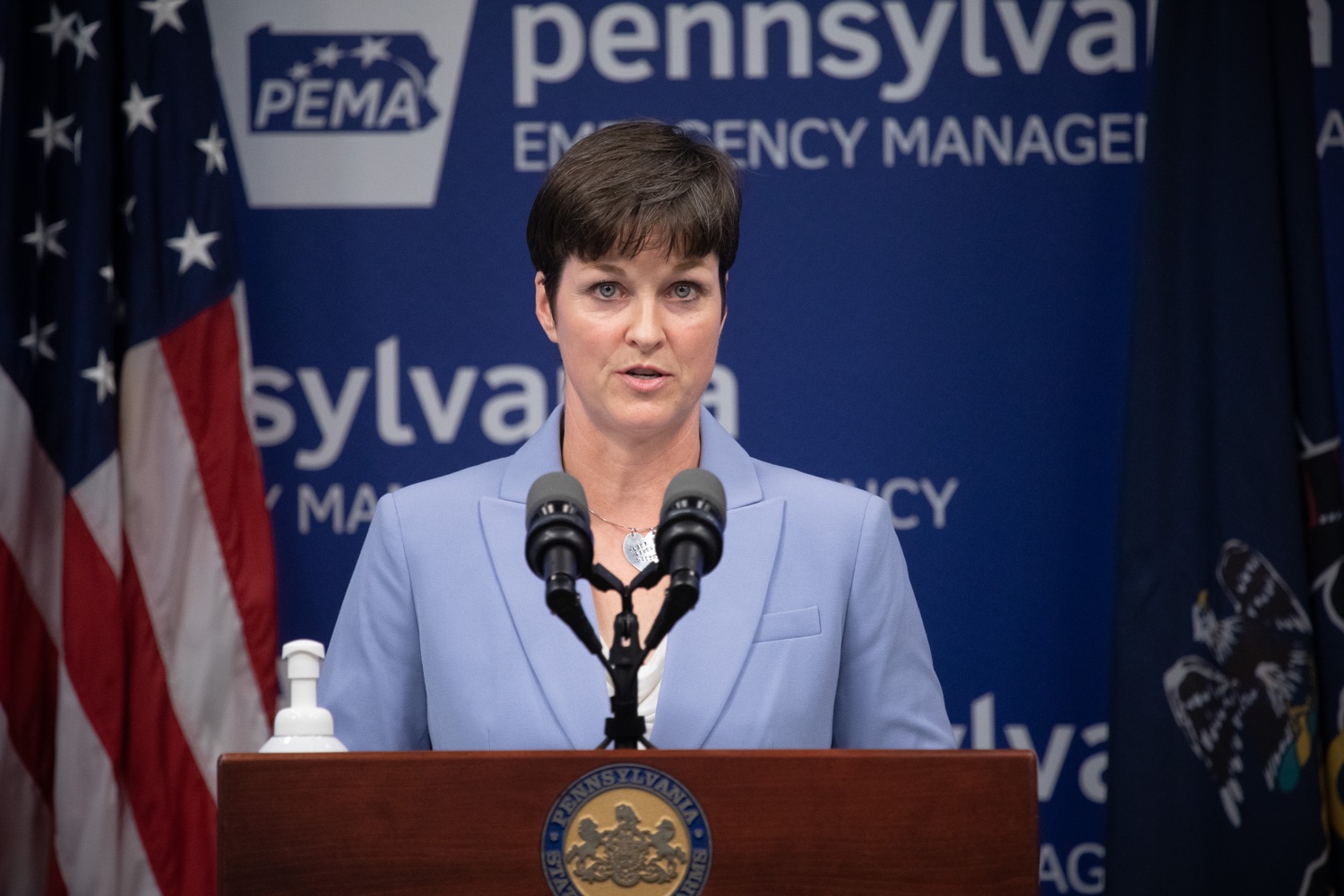
Secretary of Human Services Teresa Miller answers questions from the press.Governor Tom Wolf announced that people with intellectual disabilities and autism and the providers of support services for these vulnerable Pennsylvanians will receive $260 million in CARES Act funding to help continue to provide services during the COVID-19 pandemic. Gov. Wolf was joined by Department of Human Services Secretary Teresa Miller, who outlined to details of funding allocations. JUNE 15, 2020 – HARRISBURG, PA

Harrisburg, PA – Department of Human Services (DHS) Secretary Teresa Miller today encouraged Pennsylvanians who have been affected financially by the COVID-19 public-health crisis to take advantage of programs designed to help with rent payments and utility bills. Secretary Miller also advised of the upcoming July 12 deadline to apply for the Emergency Assistance Program, a one-time cash assistance program for families and pregnant women who have lost income or employment due to COVID-19.

“Temporary suspensions on eviction, foreclosure, and utility shut-offs are necessary to keep Pennsylvanians safe and housed during these difficult times, but we know that many renters and homeowners who have lost their income could still face eviction, foreclosure, or utility shut-offs when the moratoriums are over. Access to safe, secure housing is essential, and we want to ensure that Pennsylvanians struggling to pay rent or utilities have the help that they need,” said DHS Secretary Teresa Miller. “Anyone who may worry that their housing may be in jeopardy should know that help is available and should not feel afraid to pursue these options.”

Emergency Assistance Program

The Emergency Assistance Program (EAP) helps low-income families who lost wages and are experiencing financial challenges due to the COVID-19 pandemic. The program uses existing federal Temporary Assistance for Needy Families (TANF) funds and is open to families with a child under the age of 18 or a woman who is currently pregnant. Families who qualify for EAP will be eligible for a one-time payment to assist them in meeting their financial needs and help them secure more stable financial footing in the future.

In order to qualify, families must have at least one person in the household who was employed as of March 11, 2020 and experienced an hour or wage reduction of at least 50 percent for two weeks or more or lost employment entirely due to the public health crisis. Eligible families can possess resources, such as money in checking/savings, of no more than $1,000 as well.

Qualifying families are issued a one-time grant equal to two months of TANF benefits. The average monthly TANF grant for a family of three is $403, so a qualifying family of three eligible family members would receive a one-time grant of $806 through the program. Information on monthly grants by household size and county is available online here. Funds will be issued through an electronic benefit transfer (EBT) card.

Applications are due by July 12. Families should be prepared to submit all necessary documentation with their application to expedite processing and avoid having to apply again. Applications are accepted at any time, and previously-rejected applications can be resubmitted if they were denied initially. More information on the program and eligibility is available here.

Housing Assistance

The COVID-19 emergency left many citizens facing the threat of eviction after having their income lost or reduced. DHS is releasing $10 million through the CARES Act to Pennsylvania counties for the County Homeless Assistance Program (HAP). HAP is a program that offers rental assistance, emergency shelter and supportive housing services to more than 28,000 individuals and families experiencing or at risk for homelessness prior to the COVID-19 pandemic. The additional federal funding will help counties with serving the increased needs of at-risk Pennsylvania citizens to prevent homelessness.

More information on HAP can be found here, and county HAP contacts can be found here.

The Pennsylvania Housing Finance Agency (PHFA) is offering housing-related financial assistance. Applications are available at www.PHFA.org for both rental and mortgage assistance (look for the red CARES banner). All 67 counties have local organizations helping PHFA by processing the rent relief applications. PHFA will process the mortgage relief applications.

Renters who qualify may receive assistance equal to 100 percent of their monthly rent up to $750 a month for a maximum of six months of assistance for the time period between March 1 and November 30, 2020. For renters to be eligible for financial assistance, they will need to document at least a 30 percent reduction in annual income since March 1 related to COVID-19, or they must have become unemployed after March 1.

The assistance available for homeowners can be up to $1,000 a month for a maximum period of six months. The time period eligible for assistance is for mortgage payments owed from March 2020 through December 2020. Homeowners who became unemployed after March 1 or who suffered at least a 30 percent reduction in annual income due to reduced work hours and wages related to COVID-19 may be eligible for financial assistance to help with missed mortgage payments.

Utility Assistance

The Pennsylvania Utility Commission (PUC) has clarified that utility shutoff moratoriums are in effect until Governor Wolf’s disaster order is lifted. Utility assistance, however, is still available.

DHS administers the Low-Income Home Energy Assistance Program (LIHEAP) Crisis Recovery Program, which provides assistance for home energy bills, helping ensure continuity of utility and other energy services for low-income Pennsylvanians. The LIHEAP Recovery Crisis Program offers a crisis benefit for households that received a crisis payment made directly to utility companies or fuel providers to help offset costs for home utilities.

LIHEAP normally runs from November through March, but the Recovery Crisis program can help with Pennsylvanians’ current energy costs. Assistance is available for both renters and homeowners. LIHEAP Recovery Crisis program will run through August 31, 2020, or until all budgeted funding is expended. More information, including income limits, can be found here.

The electric and natural gas utilities that PUC oversees offer Customer Assistance Programs (CAPs), under which qualifying low-income customers pay discounted bills. Qualification in CAP programs is based on household size and gross household income.

Utilities also have a variety of other options to help consumers, including:

  • Budget billing, which takes a customer’s annual utility costs and averages them out over 12 months so that bills don’t jump up or down from month to month;
  • Payment plans to help address past-due bills or delinquent balances over a period of time;
  • Various hardship funds supported by utilities and donations from utility customers along with non-profit and charitable organizations operating in the commonwealth; and,
  • Lifeline service, a federal financial support program that helps eligible low-income consumers and households to keep their telephone and internet access. More information on Lifeline is available at www.lifelinesupport.org. You can also call Lifeline at 1-800-234-9473 between 9 a.m. to 9 p.m., seven days a week.

Consumers are urged to call their utility to inquire about such programs. If questions remain after talking with their utility, consumers may call the PUC’s Bureau of Consumer Services toll-free at 1-800-692-7380, or submit an electronic complaint form.

Department of Health: While Enjoying Summer Activities, Take Steps to Protect Your Eyes

Harrisburg, PA – The Department of Health today urged all Pennsylvanians to take steps to prevent eye injuries that can occur more frequently during the summer months.

“During the summer, many children and adults are staying active by playing outside and taking part in organized or recreational sports,” Secretary of Health Dr. Rachel Levine said. “While we need people to take additional precautions as part of COVID-19 when participating these types of activities, it is also very important that individuals take the proper steps to protect their eyes from serious injuries. Eye injuries can be severe and impact an individual’s future and entire way of life.

According to the American Academy of Ophthalmology, while many eye injuries occur on the job, nearly half of all eye injuries occur in the home. These include conducting home repairs, yard work, cleaning and cooking. More than 40 percent of eye injuries each year are related to sports or recreational activities. The sun can also damage eyes, which is why it is important to wear sunglasses and sport-appropriate UV-protective goggles.

Eye injuries are the leading cause of blindness in children in the United States, and most injuries that are reported in school-aged children are sports-related. These injuries account for nearly 100,000 physician visits each year and cost more than $175 million.

Sports-related eye injuries are very common. Sports where most eye injuries occur include baseball and softball, basketball, lacrosse, hockey, and racquet sports. Baseball is the most common cause of sports-related eye injuries for children ages 5 to 14. Basketball is the leading cause of sports-related eye injuries for teens and adults ages 15 to 64.

Ninety percent of eye injuries can be prevented through wearing protective eyewear, including safety glasses and goggles, safety shields, and eye guards. Ordinary prescription glasses, contacts and sunglasses do not protect against eye injuries.

As part of COVID-19, it is important to take steps to protect yourself from the spread of the virus while participating in organized sports. Everyone must wear a face covering, such as a mask, unless they fall under an exception to the Sec. of Health mask-wearing order. Coaches, athletes and spectators must wear face coverings, unless they are outdoors and can consistently maintain social distancing of at least 6 feet. Athletes are not required to wear face coverings while actively engaged in workouts and competition that prevent the wearing of face coverings, but must wear face coverings when on the sidelines, in the dugout, etc. and any time 6 feet of social distancing is not possible.

If you are concerned that you or a loved one may have suffered an eye injury, it is important to seek medical treatment. Some eye issues, such as a detached retina, can only be detected by a doctor during an examination. Even eye injuries that seem minor at first should be checked out, as serious eye issues can cause vision loss or blindness.

The Wolf Administration stresses the role Pennsylvanians play in helping to reduce the spread of COVID-19:

  • Wash your hands with soap and water for at least 20 seconds or use hand sanitizer if soap and water are not available.
  • Cover any coughs or sneezes with your elbow, not your hands.
  • Clean surfaces frequently.
  • Stay home to avoid spreading COVID-19, especially if you are unwell.
  • If you must go out for a life-sustaining reason, please wear a mask.

Updated Coronavirus Links: Press Releases, State Lab Photos, Graphics

All Pennsylvania residents are encouraged to sign up for AlertPA, a text notification system for health, weather, and other important alerts like COVID-19 updates from commonwealth agencies. Residents can sign up online at www.ready.pa.gov/BeInformed/Signup-For-Alerts.

SEDA-COG MPO adopts transportation plan for eight-county region

The SEDA-Council of Governments (SEDA-COG) Metropolitan Planning Organization (MPO) adopted in late June one of its major transportation plans for an eight-county region that includes Clinton, Columbia, Juniata, Mifflin, Montour, Northumberland, Snyder, and Union counties.

The adoption of the 2021-2024 Transportation Improvement Program (TIP) signals the successful completion of a year-long effort that engaged county officials, municipalities, transit operators, the Pennsylvania Department of Transportation, the Federal Highway Administration, other key stakeholders, and the public.

The TIP is the agreed-upon list of priority projects in the SEDA-COG MPO region. The program has a total of 229 projects to be addressed over the next four years.

“Despite the challenges presented by the coronavirus pandemic and constrained funding, this is a key update for the region because we continue to collaboratively advance and invest in the region’s transportation network,” said Jim Saylor, SEDA-COG Transportation Program director.

TIP projects are valued at $376 million over the next four years. State funding will cover 71% of the Transportation Improvement Program project costs, local funding match is less than 1%, while the federal funding level is at 28%.

Some of the major projects on the TIP include:

  • The Central Susquehanna Valley Transportation (CSVT) project.
  • Traffic signal improvements are planned for Route 150 in Clinton County and corridor-wide safety improvements are planned for Route 54 in Montour County.
  • Repaving is planned for portions of Farrandsville Road in Clinton County, Routes 11 and 339 in Columbia County, Route 522 and Electric Avenue in Mifflin County, Interstate 80 in Montour County, and Route 54 in Northumberland County.
  • Rehabilitation or replacement of many deficient state and local bridges across the region.

The TIP includes 23 local bridges ─ one in Snyder County, two in Mifflin County, three in Clinton and Montour counties, four in Columbia and Northumberland counties, and six in Union County. Additional new local bridge projects may be addressed through the TIP in the future, using cost savings or special initiatives.

The TIP also includes transit projects worth $3.2 million for Call A Ride Service Inc. in Mifflin and Juniata counties and Geisinger Health System for the LIFE Geisinger Program.

Below, Table 1 shows a funding summary for the SEDA-COG MPO region by county and transit operator for each of the four TIP years, listed by federal fiscal year.

Table 1: TIP Cost Summary by County and Transit Provider

FFY 2021

FFY 2022

FFY 2023

FFY 2024

Total

Highway/Bridge Program

Clinton

$14,162,442

$14,120,375

$7,125,136

$7,217,466

$42,625,419

Columbia

$8,676,942

$8,303,680

$9,213,792

$9,511,878

$35,706,292

Juniata

$4,648,211

$5,444,939

$9,241,800

$12,582,060

$31,917,010

Mifflin

$3,965,397

$5,234,277

$13,660,064

$9,392,474

$32,252,212

Montour

$3,711,196

$5,374,449

$9,747,708

$8,613,934

$27,447,287

Northumberland

$4,537,611

$3,826,000

$3,495,960

$8,609,348

$20,468,919

Snyder

$35,500,000

$26,613,000

$41,980,808

$60,819,200

$164,913,008

Union

$11,979,000

$5,150,000

$2,392,540

$625,000

$20,146,540

Totals

$87,180,799

$74,066,720

$96,857,808

$117,371,360

$375,476,687

Transit Program

Call A Ride Service, Inc.

$355,500

$271,780

$260,000

$260,000

$1,147,280

Geisinger Health System

$612,000

$748,000

$408,000

$272,000

$2,040,000

Totals

$967,500

$1,019,780

$668,000

$532,000

$3,187,280

The 2021 TIP will take effect on Oct. 1, 2020; the next comprehensive TIP update will occur in 2022.

The final adopted version of the TIP is on SEDA‑COG’s website at https://bit.ly/3ffqAAI.

Congressman Keller introduces RURAL HELP Act to help save rural hospitals

Bill would require Department of Health and Human Services to conduct an evaluation of Medicare reimbursement rates between urban and rural hospitals and make appropriate adjustments

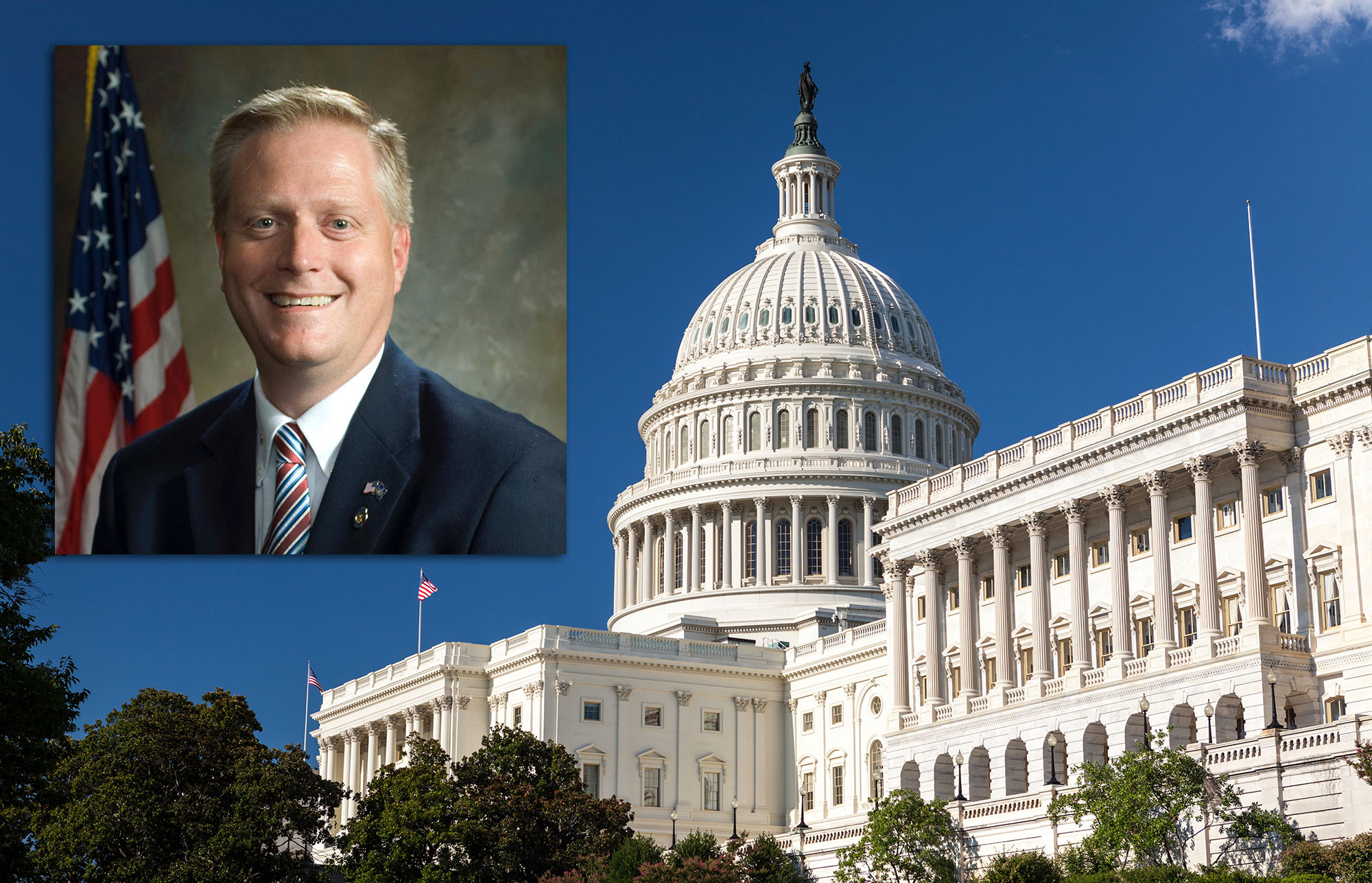
WASHINGTON – Congressman Fred Keller (R-PA) on Thursday introduced the Reviewing Urban and Rural Adjustments to Level Hospital Expenses and Lopsided Payments Act of 2020, otherwise known as the RURAL HELP Act with original co-sponsors Congressman GT Thompson (R-PA), Congressman Mike Kelly (R-PA), Congressman Jim Hagedorn (R-MN), and Congressman Rick Crawford (R-AR).

The legislation aims to bring parity to inpatient Medicare reimbursement payments between rural and urban hospitals to help struggling rural hospitals survive by requiring the U.S. Department of Health and Human Services to determine the precise level of systematic disparity that exists between urban and rural hospital payments under such reimbursements. It also specifies that once the evaluation is completed, the Secretary shall make an adjustment to Centers for Medicare and Medicaid Services payment policies to make up for the identified disparity.

According to the National Rural Health Association, over just the last ten years, 124 rural hospitals have closed with another 453 at risk for closure.

As it relates to Pennsylvania’s 12th Congressional District, the RURAL HELP Act will help keep the following hospitals open by providing reimbursement parity with urban or suburban hospitals:

  • Evangelical Community Hospital in Lewisburg, Union County
  • Williamsport Regional Medical Center in Williamsport, Lycoming County
  • Geisinger-Lewistown Hospital in Lewistown, Mifflin County
  • Lock Haven Hospital in Lock Haven, Clinton County
  • Robert Packer Hospital in Sayre, Bradford County
  • Mount Nittany Medical Center in State College, Centre County

On the introduction of the RURAL HELP Act, Congressman Fred Keller (R-PA) made the following statement:

“Visiting with rural hospitals across Pennsylvania’s 12th Congressional District, it is clear they provide a vitally-needed service to a unique community. However, these hospitals consistently face the risk of closure from things like lopsided Medicare reimbursement rates, particularly are they cater to an aging population reliant on government-managed healthcare plans.

“Given the critical nature of rural hospitals to a vulnerable community, and the ability to undertake this review in the short-term, re-evaluating these rates to provide parity with urban hospital settings is the step needed right now to ensure healthcare availability drops off the list of concerns for rural Americans.”

In addition, the following groups made statements in support of the RURAL HELP Act.

Background:

Earlier this year, Congressman Keller led a letter to CMS Administrator Seema Verma asking her agency to re-evaluate the Medicare Severity Diagnosis Related Group (MS-DRG) classification system in the annually updated Medicare Inpatient Prospective Payment System (IPPS)—the mechanism that determines Medicare reimbursement for inpatient services at most hospitals.

The MS-DRG recalibrations have negatively impacted these types of rural hospitals over the last several years and this re-evaluation is a critical component to ensuring rural hospitals receive the appropriate Medicare reimbursement amount.

Wolf Administration Releases Updated FAQs for Summer Recreation, Camps and Pools

Harrisburg, PA – The Wolf Administration today released updated frequently asked questions (FAQs) about summer recreation, camps and pools. The original FAQs were announced on May 22 to cover summer camps and recreation. The new FAQs modify those and also add information about pools.

“As we learned more about the importance of mask-wearing and listened to questions from providers and parents, we updated the FAQs so everyone involved in these summer programs understands how they may operate,” Governor Tom Wolf said. “We hope that this updated guidance helps everyone participating in summer child care and recreation programs and eliminates some of the stress and worry associated with the COVID-19 pandemic and how it is affecting our everyday lives.”

The guidance was updated to reflect the order of the Secretary of the Department of Health Requiring Universal Face Coverings. New sections appear in red text throughout the FAQs. There are also Universal Face Coverings Order FAQs that provide more information on the order.

Highlights of the revised Summer Recreation, Camps and Pools FAQs include:

  • Regarding youth sports: Coaches, athletes and spectators must wear face coverings unless they are outdoors and can consistently maintain social distancing of at least six feet. Athletes are not required to wear face coverings while actively engaged in workouts and competition that prevent the wearing of face coverings, but must wear face coverings when on the sidelines, in the dugout, etc. and anytime six feet of social distancing is not possible.
  • Regarding summer program operations: If a summer program does not have a publicly available website, alternatives must be used to communicate the health and safety plan to parents and caregivers, such as mailing the plan to all registrants or having written information available at drop off and pick up locations.
  • Regarding face coverings for staff and participants in summer youth programs: All staff must wear face coverings during child care and summer program operations unless they fit one of the exceptions included in Section 3 of the Secretary of Health’s Universal Face Covering Order. Summer programs and staff should consult Department of Health guidance on homemade masks.
    • The FAQs cover questions about prioritizing the times of wearing face coverings, particularly for younger children; proper face covering size and fit, and providing children with frequent reminders and education on the importance and proper wearing of cloth face coverings may help address these issues.
  • Regarding face coverings at pools: People should not wear cloth face coverings while engaged in activities that may cause the cloth face covering to become wet, like when swimming at the beach or pool. A wet cloth face covering may make it difficult to breathe. For activities like swimming, it is particularly important to maintain physical distance from others when in the water.  People must wear face coverings while out of the water and maintain social distancing of at least 6 feet from others who are not a part of their household.

Wolf Administration Reminds Pennsylvanians to Wear Mask While Enjoying the Outdoors

Harrisburg, PA – Governor Tom Wolf and Department of Conservation and Natural Resources (DCNR) Secretary Cindy Adams Dunn today reminded Pennsylvanians to wear masks while enjoying the outdoors when they are not able to consistently maintain social distancing from individuals who are not members of their household.

“It’s critical that Pennsylvanians take opportunities to go outside and enjoy our many parks, trails and beaches. It’s good for our mental and physical health. But we must do so safely,” Gov. Wolf said. “Park attendance has increased dramatically, so Pennsylvanians should protect themselves and their fellow outdoor seekers by wearing a mask.”

Secretary Dunn said recent Bureau of State Park attendance figures show people turning to the outdoors in record numbers. May 2020 attendance reports show 5.8 million visitors compared to 4.2 million last year. The parks system increased by over 1.5 million visitors, a 36 percent increase, and 18 parks experienced more than a 100 percent increase.

“Last weekend brought a crush of visitors to almost all our state parks, and those numbers reinforce the need for all park visitors to be smart and safe by wearing masks,” Dunn said. “Our park officials tell us the holiday crowds were orderly and, for the most part, observing self-distancing but masks were not being worn by many. For the safety of all, masks should be worn, especially in areas where park visitors gather: pools and beaches when not in the water; restroom areas; and state park offices and visitor centers.”

For updated state park and forest facilities, visit DCNR’s What’s Open and Closed map.

Secretary of Health Dr. Rachel Levine signed an order mandating mask-wearing on July 1. It remains in effect. Frequently Asked Questions about the mask-wearing order can be found here.

NOTE: Video of DCNR Secretary Dunn on the importance of wearing a mask is available for download via PAcast.

July 9, 2020 – Department of Health Report

Department of Health Provides Update on COVID-19,

719 Positives Bring Statewide Total to 92,867

Harrisburg, PA – The Pennsylvania Department of Health today confirmed as of 12:00 a.m., July 9, that there are 719 additional positive cases of COVID-19, bringing the statewide total to 92,867. All 67 counties in Pennsylvania have cases of COVID-19.

The number of new cases in Allegheny County increased by 158 cases overnight. Philadelphia County increased by 161 cases overnight.

The number of tests administered since July 2 is 121,032 with 5,625 positive test results.

There are 6,848 total deaths attributed to COVID-19, an increase of 36 new deaths reported. County-specific information and a statewide map are available here.

“As the entire state is now in the green phase, we must remain committed to protecting against COVID-19 by wearing a mask, practicing social distancing and avoiding large gatherings,” Secretary of Health Dr. Rachel Levine said. “Pennsylvania has been a model for the country on how to reopen effectively using a careful, measured approach. However, the virus has not gone away and we are seeing cases rise, especially in Southwest Pennsylvania.”

Mask-wearing is required in all businesses and whenever leaving home. Consistent mask-wearing is critical to preventing the spread of COVID-19.

There are 635 patients who have a positive serology test and either COVID-19 symptoms or a high-risk exposure, which are considered probable cases and not confirmed cases. There are 787,156 patients who have tested negative to date. Of the patients who have tested positive to date the age breakdown is as follows:

  • Nearly 1% are ages 0-4;
  • 1% are ages 5-12;
  • Nearly 3% are ages 13-18;
  • Nearly 8% are ages 19-24;
  • 37% are ages 25-49;
  • Nearly 24% are ages 50-64; and
  • Nearly 27% are ages 65 or older.

Most of the patients hospitalized are ages 65 or older, and most of the deaths have occurred in patients 65 or older. More data is available here.

The department is seeing significant increases in the number of COVID-19 cases among younger age groups, particularly 19 to 24-year-olds. An alert was sent to healthcare providers over the weekend about the changing COVID-19 case demographics, as there are more cases in younger age groups than in those 50-64 and 65+. The following regions have seen significant increases among 19 to 24-year-olds in each month from April to present in July:

  • SW – Approximately 5 percent of cases in April to nearly 28 percent of cases so far in July;
  • SE – Nearly 5 percent of cases in April to nearly 17 percent of cases so far in July;
  • NE – Nearly 6 percent of cases in April to nearly 16 percent of cases so far in July;
  • NW – Nearly 7 percent of cases in April to nearly 15 percent of cases so far in July; and
  • NC – Nearly 8 percent of cases in April to over 12 percent of cases so far in July.
  • SC – Approximately 7 percent of cases in April to over 13 percent of cases so far in July.

In nursing and personal care homes, there are 18,092 resident cases of COVID-19, and 3,396 cases among employees, for a total of 21,488 at 732 distinct facilities in 55 counties. Out of our total deaths, 4,667 have occurred in residents from nursing or personal care facilities. A county breakdown can be found here.

Approximately 6,964 of our total cases are in health care workers.

For the latest information for individuals, families, businesses and schools, visit “Responding to COVID-19” on pa.gov.

Currently, all 67 counties are in the green phase of reopening.

Statewide – The Wolf Administration has since noon, July 8:

The Wolf Administration stresses the role Pennsylvanians play in helping to reduce the spread of COVID-19:

  • Wash your hands with soap and water for at least 20 seconds or use hand sanitizer if soap and water are not available.
  • Cover any coughs or sneezes with your elbow, not your hands.
  • Clean surfaces frequently.
  • Stay home to avoid spreading COVID-19, especially if you are unwell.
  • If you must go out, you are required to wear a mask when in a business or where it is difficult to maintain proper social distancing.

Updated Coronavirus Links: Press Releases, State Lab Photos, Graphics

All Pennsylvania residents are encouraged to sign up for AlertPA, a text notification system for health, weather, and other important alerts like COVID-19 updates from commonwealth agencies. Residents can sign up online at www.ready.pa.gov/BeInformed/Signup-For-Alerts.

Gov. Wolf Announces Protections from Foreclosures and Evictions Through Aug. 31

Harrisburg, PA – Governor Tom Wolf today signed a new executive order that protects homeowners and renters from eviction or foreclosure until Aug. 31, if they have not received assistance from a new program administered by the Pennsylvania Housing Finance Agency (PHFA) or are not already receiving relief through one of several federal foreclosure moratorium programs or judicial orders. Lenders and property owners that receive funds through the PHFA program agree not pursue foreclosure or eviction actions as a condition of participation in the program.

“I am taking this action to help families know they will have a roof over their heads and a place to live while all of us fight the COVID-19 pandemic,” said Gov. Wolf. “It takes one more burden off of people who are struggling and ensures that families can remain in their homes so they can protect their health and wellbeing.”

The governor signed legislation in May providing $150 million for rental assistance and $25 million for mortgage assistance through PHFA with CARES Act funds. PHFA began accepting applications July 6.

Eligibility information and applications for renters and homeowners is available on the PHFA website.

The U.S. Department of Veterans Affairs, Federal Housing Finance Agency, including Fannie Mae and Freddie Mac and the U.S. Department of Housing and Urban Development (HUD) and the U.S. Department of Agriculture have each extended eviction and foreclosure protections for housing under their authority to Aug. 31.

In almost all circumstances, renters and homeowners are required to continue making monthly payments if they can. Pennsylvanians struggling to make monthly payments should contact their landlord or mortgage servicer immediately. The governor’s executive order does not apply to proceedings regarding property damage or illegal activity.

The governor previously signed an executive order suspending evictions and foreclosures, which expires Friday. That action followed a Pennsylvania Supreme Court order which closed court eviction proceedings until May 11.

Wolf Admin. Encourages Summer Pool Safety, Reminds Pennsylvanians to Practice Social Distancing and Wear Masks

Harrisburg, PA – The Department of Health today urged all Pennsylvanians to practice social distancing, wear masks and be aware of pool safety concerns as Pennsylvanians enjoy the summer days outside. Face masks should not be worn in the water as a wet face covering may make it difficult to breathe.

“If you are at a private or public pool with other people outside of your household, it is important to continue to practice social distancing and to wear masks to help prevent the further spread of COVID-19,” Secretary of Health Dr. Rachel Levine said. “Face masks should not be worn in the water as a wet face covering may make it difficult to breathe. In addition to the threat of COVID-19, Pennsylvanians need to take the proper steps to ensure they have a safe and fun time at the pool.”

It is important to take the following precautions before going to the pool:

  • Have a responsible adult watch young children playing in or around water (in addition to lifeguards);
  • Use the buddy system (never swim alone);
  • Learn to swim;
  • Learn CPR;
  • Locate the lifesaving equipment before entering the pool;
  • Have a phone by the pool and know who to contact in an emergency;
  • Never enter water that is cloudy;
  • Know your role in preventing recreational water illnesses; and
  • Know the local weather conditions and forecast before swimming.

Public pools were permitted to reopen in the yellow and green phases of the Governor’s phased-in reopening plan, provided they follow CDC guidance.

On July 1, 2020, the Secretary of Health mandated masks to be worn in all public places. While at public pools, Pennsylvanians should continue to use cloth face coverings as feasible. Face masks should not be worn in the water as a wet face covering may make it difficult to breathe. For activities in the water, like swimming, it is particularly important to maintain physical distance from others. For more information about the mask guidance order, visit here.

In addition to pool safety, Pennsylvanians need to remember to wear sunscreen and take precautions to protect themselves in extreme summer weather. Sunscreen with SPF 30 or higher with broad spectrum coverage can help protect the skin from dangerous sunburns and decrease the chances of developing serious sun-exposure-related health conditions. For more information about sunscreen and heat safety, visit here.

The Wolf Administration stresses the role Pennsylvanians play in helping to reduce the spread of COVID-19:

  • Wash your hands with soap and water for at least 20 seconds or use hand sanitizer if   soap and water are not available.
  • Cover any coughs or sneezes with your elbow, not your hands.
  • Clean surfaces frequently.
  • Stay home to avoid spreading COVID-19, especially if you are unwell.
  • If you must go out for a life-sustaining reason, please wear a mask.

Updated Coronavirus Links: Press Releases, State Lab Photos, Graphics

All Pennsylvania residents are encouraged to sign up for AlertPA, a text notification system for health, weather, and other important alerts like COVID-19 updates from commonwealth agencies. Residents can sign up online at www.ready.pa.gov/BeInformed/Signup-For-Alerts.

For more information on pool safety and your health, visit www.health.pa.gov or follow the Department of Health on Facebook and Twitter.