Gov. Wolf Announces $10 Million Available to Support Pennsylvania’s Food System


$10 Million in CARES Act Funding Available for Eligible Businesses in Low-to-Moderate Income Areas

Harrisburg, PA – Governor Tom Wolf today announced that $10 million is now available for Pennsylvania businesses that have worked to maintain access to fresh, healthy food throughout the COVID-19 pandemic.

“Pennsylvania’s food retailers stepped up to the plate to protect those putting food on the shelf, to think outside of the box to protect the most vulnerable, and to make investments to support those using assistance programs such as SNAP and WIC to support their families,” said Gov. Wolf. “I will be forever grateful to those who have worked hard to ensure food is always accessible through this pandemic; our frontline workers in grocery stores and farmers markets are among Pennsylvania’s heroes.”

The Fresh Food Financing Initiative COVID-19 Relief Fund — funded through the CARES Act — is available to for-profit, nonprofit, or cooperative entities impacted by COVID-19, including grocery stores, corner stores, convenience stores, neighborhood markets, bodegas, food hubs, mobile markets, farmers markets, on-farm markets, urban farms, and food aggregation centers with a direct connection to direct-to-consumer retail outlets.

To be eligible, more than 50 percent of sales must be from staple and perishable foods to consumers and the retailer must serve customers that live in a low-to-moderate income area. Applicants must also provide access to affordable, high-quality fresh produce, meat and dairy products and other healthy grocery items for low-to-moderate income shoppers, and must accept SNAP and WIC to the maximum extent possible.

In recognition of the disproportionate impacts of both COVID-19 and food apartheid on communities made up of Black, Indigenous, and People of Color (BIPOC), and especially Black and African American communities, prioritization will be given to businesses owned by minorities and serving low-income BIPOC communities. Additional prioritization criteria include businesses located in or serving a USDA-designated food desert; businesses sourcing and selling Pennsylvania grown or processed products to the extent practicable; and applicants with supplier diversity and offering increased business opportunities for Minority Business Enterprises, Women Business Enterprises, Service-Disabled Veteran Business Enterprises, Veteran Business Enterprises, Lesbian, Gay, Bisexual, and Transgender Business Enterprises; and Disability-Owned Business Enterprises.

“This pandemic has revealed many things, one of the most prevalent has been about where our food comes from – how it gets from the farm to those who need it. This relief fund is about strengthening the local food system and improving food security and nutrition,” said Sec. Redding. “We need to stimulate local economies, increase market opportunities for Pennsylvania farmers, create jobs, and contribute to better health by improving access to fresh, local foods – we need to feed Pennsylvania, now and in the years to come. And that is all a part of this initiative.”

The program is administered by the Department of Agriculture in partnership with the Department of Community and Economic Development. Applications will be accepted through August 14, 2020. Grant funds will be distributed to eligible applicants for impacts related to COVID-19 that have been incurred between March 1, 2020 and November 30, 2020, such as:

  • Higher operating costs related to cleaning and social distancing requirements, including costs related to outside contracting associated with managing social distancing, limited occupancy, and cleaning;
  • Infrastructure improvements including renovation, new construction, or adaptive reuse directly related to COVID-19;
  • Equipment purchases that improve the availability of quality fresh food, such as additional refrigeration to manage volume, or personal protective equipment such as plexiglass dividers;
  • Inventory (higher cost of goods, higher transportation or delivery costs, or procuring Pennsylvania-grown produce, meat, and dairy products, or loss of product);
  • Innovative food access technology such as mobile or pop-up markets, or mobile EBT reader technology;
  • Costs to expand access to Pennsylvania grown or processed produce, dairy and meat products or provide stable market access for Pennsylvania farmers that have lost or limited markets; and
  • Other one-time or increased expenses incurred related to COVID-19.

“The COVID-19 pandemic has highlighted the individuals and businesses that stepped up to protect and provide for their communities over the past several months, by supplying critical goods and services,” said Sec. Davin. “Little is as life sustaining as providing access to fresh, healthy food, especially in food-insecure areas. This funding will help alleviate the financial burdens placed on Pennsylvania’s food system during the pandemic and will ensure continued access to nutritional foods as we work toward greater recovery.”

“A very big part of staying healthy is having access to healthy food. The effects of this pandemic are challenging communities across this commonwealth where access to fresh food is limited, particularly urban communities,” said state Representative Austin Davis (D-Allegheny). “This innovative program will help food retailers to maintain access to healthy, fresh food for people who depend on it.”

“During these unprecedented times, it is critical that we provide support to the communities and organizations that need them most. The COVID-19 pandemic has illuminated the vulnerability of so many people who are struggling with food insecurity, especially how food deserts disproportionately impact communities of color,” said state Senator Tim Kearney (D-Chester, Delaware). “The Fresh Food Financing Initiative is an important step in putting food on the tables of individuals and families in need. Now more than ever, this initiative is essential to fighting hunger and ensuring access to healthy food for those hit hardest by this crisis.”

“Like so many things, food insecurity across the commonwealth — and especially in our urban areas — has been exacerbated by the current pandemic,” said state Representative Stephen Kinsey (D-Philadelphia). “Ensuring communities of color have access to fresh, perishable, and affordable foods to feed their families has never been more important and this program invests in the grocers and food providers who have struggled to ensure access through this crisis.”

“Like many businesses across our commonwealth, supermarkets that have utilized the Fresh Food Financing Initiative to locate in food deserts are incurring additional expenses due to the COVID-19 pandemic. These grocers need assistance to safely remain open and to continue providing fresh and healthy food to these underserved communities, which far too often are communities of color,” said state Senator Pam Iovino (D-Allegheny, Washington). “As Pennsylvania pursues a holistic response to the pandemic, this funding will serve to support local economies and community health, particularly for some of those hardest hit.”

For full details on Fresh Food Financing Initiative COVID-19 Relief Fund eligibility, award amounts, additional prioritizations, and criteria visit agriculture.pa.gov/foodsecurity.

For information as it relates to agriculture during COVID-19 mitigation in Pennsylvania visit agriculture.pa.gov/COVID. For the most accurate, timely information related to Health in Pennsylvania, visit on.pa.gov/coronavirus.

UPMC Provided $1.4 Billion in Community Benefits in Fiscal Year 2019

PITTSBURGH, July 9, 2020 UPMC has released its 2019-20 Community Benefits Report, showing its longstanding and sustaining commitment to meet the many diverse needs of all the communities it serves throughout Pennsylvania, western New York and western Maryland. The report details how UPMC provided $1.4 billion in IRS-defined community benefits during Fiscal Year 2019, up by $175 million from last year.

UPMC’s total economic impact of $42 billion nearly doubled in the last five years. The health system’s spending has a multiplier effect that ripples benefits through local economies. As the Commonwealth’s largest non-governmental employer, UPMC supports more than one in four hospital jobs in Pennsylvania. 

UPMC’s $1.4 billion in community-focused programs last year equals nearly $4 million per day or more than 15% of net patient revenue. According to the most recent publicly available data, UPMC contributes more than any other health system in Pennsylvania; the statewide average for hospitals’ contributions is 9% of net patient revenue.

The $1.4 billion total includes:

  • $479 million to make care more accessible for the most vulnerable residents in our communities, including $102 million in free or discounted care to more than 20,000 patients, and $377 million in unreimbursed Medical Assistance costs and other subsidized care. The reported amounts are UPMC’s actual costs, not the price or charges that would have been billed for care. UPMC provides a disproportionate amount of charity care. While UPMC cares for 18% of patients in all of Pennsylvania, it provides 28% of the hospital charity care in the Commonwealth.
  • $376 million for community health and wellness programs and charitable contributions, including more than 3,000 free and subsidized programs, such as neighborhood clinics and support groups, free medical equipment and transportation. UPMC leads the way in funding community health improvement programs, with 59% of all hospital funding in central Pennsylvania and 50% statewide.
  • $548 million for medical research and education, advancing breakthrough treatments and cures while training the next generation of clinicians. UPMC funds nearly half of all hospital-funded research in Pennsylvania, and along with the University of Pittsburgh, is ranked #6 nationally in National Institutes of Health funding. UPMC has the nation’s fourth-largest medical residency program, and its four schools of nursing educate 700 nursing students each year.

UPMC cares for a disproportionate number of high-need patients throughout all the regions it serves, bringing resources within reach to:

  • 8 out of 10 substance abuse patients in Allegheny County.
  • 7 out of 10 Medicaid patients in Lawrence and Mercer counties.
  • 7 out of 10 seniors in Bedford, Blair and Somerset counties.
  • 7 out of 10 babies born to low-income families in the Erie, McKean and Venango region.
  • Nearly half of pediatric patients from low-income families in the Dauphin County/Harrisburg region.
  • 7 out of 10 seniors in the Susquehanna region.
Credit: Pipitone
(click image for high-res version)

Over the past five years, UPMC’s community benefits totaled $5.4 billion.

“Behind these big numbers is another big number — UPMC’s 91,000 employees who are proudly and passionately dedicated to serving their communities,” said Edward Karlovich, vice president and interim chief financial officer, UPMC. “Whether they are visibly on the front lines with community partners, directly serving patients and members across our communities or providing individual assistance during difficult times, it is their service excellence and innovation that truly drives UPMC’s community benefits.”

Follow link for the complete 2019-20 UPMC Community Benefits Report.

To read this release online or share it, visit https://www.upmc.com/media/news/070820-community-benefits.

DOH Announces Additional Partnership to Assist with COVID-19 Response in Nursing Homes

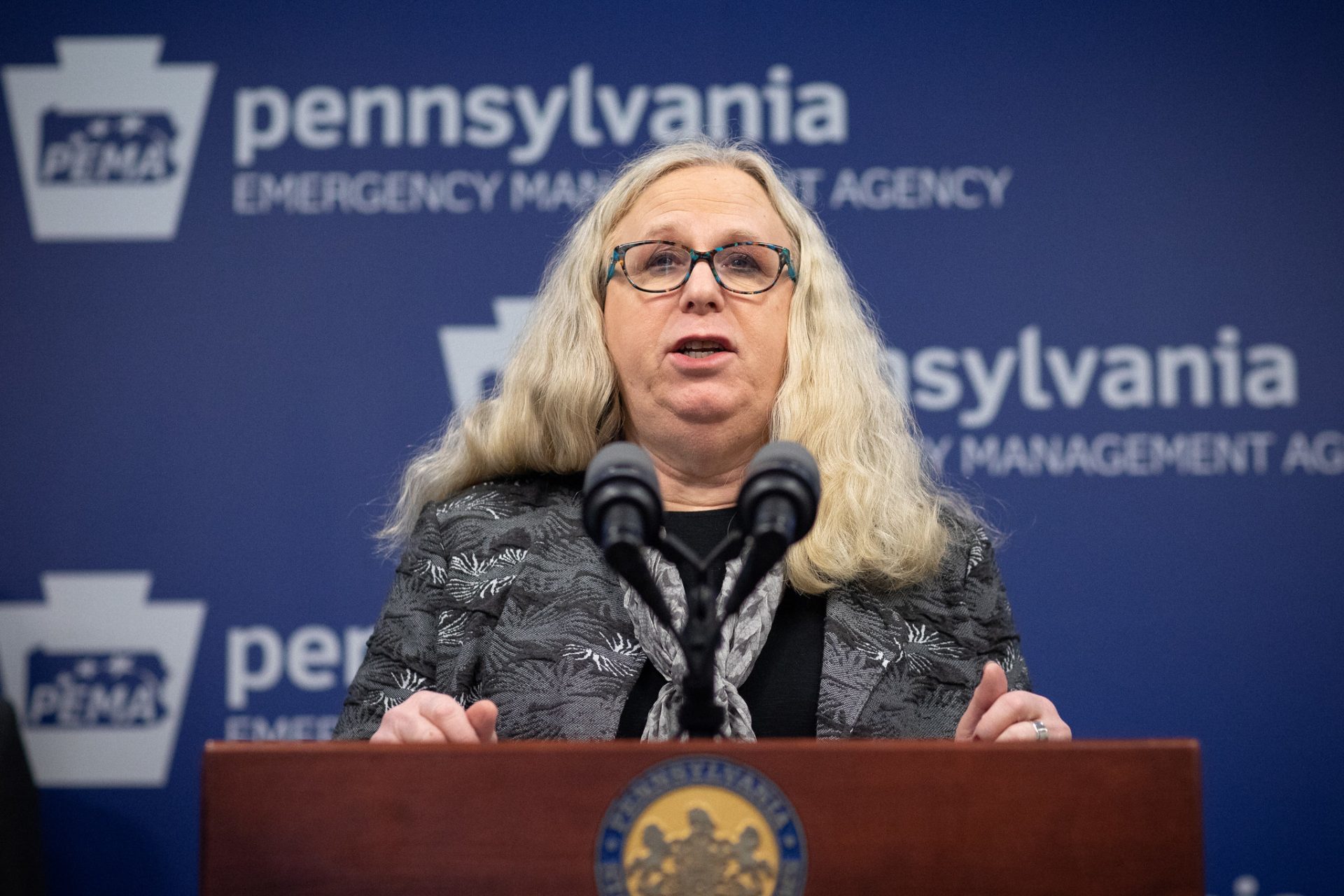
Harrisburg, PA – Secretary of Health Dr. Rachel Levine today announced a partnership with Eurofins to assist with nursing home facility testing in the COVID-19 response.

“We are so pleased to have this level of collaboration and assistance from Eurofins,” Dr. Levine said. “COVID-19 is a particularly challenging situation for congregate settings, particularly our nursing home facilities. This partnership strengthens and increases access to ensure universal testing is completed in nursing homes, as required in the order issued last month. It will provide us the opportunity to better address outbreaks, and work to prevent future outbreaks, in nursing home facilities. These teams are assisting us in our response in the hardest-hit areas as we work to protect the public health and safety of Pennsylvanians.”

The Pennsylvania Department of Health and the Pennsylvania Department of Community Economic and Development (DCED) are partnering with Eurofins to assist with testing specimens from skilled nursing facilities statewide at no cost to facilities. This partnership will further facility compliance with Secretary Levine’s universal testing order issued June 9, 2020.

“As Pennsylvania works diligently to combat the spread of COVID-19 across the commonwealth, it is critically important that we have a robust testing and tracing system in place,” said DCED Secretary Dennis Davin. “We rely on our partners in the business community to bolster resources, and it’s the help of partners like Eurofins that will make our testing and tracing infrastructure stronger and more effective.”

Eurofins Central Laboratory, headquartered in Lancaster, Pennsylvania and a member of Eurofins Scientific, a global leader in testing and laboratory services, has joined the COVID-19 Pennsylvania testing program after Secretary Dr. Levine ordered the testing of all nursing home residents and staff in the state, at least once by July 24.

Symptoms of COVID-19 can include:

  • Fever
  • Cough
  • Shortness of breath or difficulty breathing
  • Diarrhea
  • Chills
  • Repeating shaking with chills
  • Muscle pain
  • Headache
  • Sore throat
  • New loss of taste or smell

Symptoms may appear in as few as two days or as long as 14 days after exposure. Reported illnesses have ranged from people with little to no symptoms to people being severely ill and dying.

As of 12:00 a.m., July 8, there were 92,148 positive cases of COVID-19 statewide in 67 counties and 6,812 confirmed deaths. Most of the patients hospitalized are 65 or older, and most of the deaths have occurred in patients 65 and older. More data is available here.

Pennsylvanians are reminded that mask-wearing is required when businesses in both the yellow and green phases of reopening or in any setting outside the home where social distancing is difficult. Remember: My mask protects you; your mask protects me.

For the latest information for individuals, families, businesses and schools, visit “Responding to COVID-19” on pa.gov.

The Wolf Administration stresses the role Pennsylvanians play in helping to reduce the spread of COVID-19:

  • Wash your hands with soap and water for at least 20 seconds or use hand sanitizer if soap and water are not available.
  • Cover any coughs or sneezes with your elbow, not your hands.
  • Clean surfaces frequently.
  • Stay home to avoid spreading COVID-19, especially if you are unwell.
  • If you must go out for a life-sustaining reason, please wear a mask.

Updated Coronavirus Links: Press Releases, State Lab Photos, Graphics

All Pennsylvania residents are encouraged to sign up for AlertPA, a text notification system for health, weather, and other important alerts like COVID-19 updates from commonwealth agencies. Residents can sign up online at www.ready.pa.gov/BeInformed/Signup-For-Alerts.

DHS Announces Applicants Selected for HealthChoices Program Procurement

Secretary of Human Services Teresa Miller answers questions from the press.Governor Tom Wolf announced that people with intellectual disabilities and autism and the providers of support services for these vulnerable Pennsylvanians will receive $260 million in CARES Act funding to help continue to provide services during the COVID-19 pandemic. Gov. Wolf was joined by Department of Human Services Secretary Teresa Miller, who outlined to details of funding allocations. JUNE 15, 2020 – HARRISBURG, PA


Harrisburg, PA – The Department of Human Services today announced applicants selected through a Request for Applications (RFA) for Pennsylvania’s HealthChoices program, the Medicaid physical health managed care program that provides healthcare coverage to more than 2.6 million people.  DHS is unable to move forward with the selections, however, due to the pendency of protests.

“Pennsylvania’s HealthChoices program is a lifeline for more than 2.6 million Pennsylvanians covered under the Medical Assistance program. This program not only helps with essential health services like doctors’ visits, routine and preventive care, and access to prescriptions necessary to live a healthy life – it also is an opportunity to greatly impact participants’ social and economic trajectory,” said Human Services Secretary Teresa Miller. “As one of our farthest-reaching and highest-cost programs, we are committed to constant quality improvement that focuses on participants’ health and well-being, and innovative, outcomes-driven efficiencies.”

Applicants were selected through a competitive procurement that evaluated applicants’ soundness of approach, personnel qualifications and staffing and prior experience and performance. More information about evaluation criteria can be found in the RFA. Applicants selected were the top scoring applicants for their zone. Selected applicants for each service zone are as follows:

  • Southeast: Geisinger Health Plan, Health Partners Plans, UnitedHealthCare, UPMC for You, and Vista Health Plan (Keystone First);
  • Lehigh/Capital: Gateway Health, Geisinger Health Plan, Health Partners Plans, UPMC for You, and Vista Health Plan (AmeriHealth Caritas);
  • Northeast: Geisinger Health Plan, Health Partners Plans, UPMC for You, and Vista Health Plan (AmeriHealth Caritas);
  • Northwest: Geisinger Health Plan, Health Partners Plans, UPMC for You, and Vista Health Plan (AmeriHealth Caritas); and,
  • Southwest: Gateway Health, Geisinger Health Plan, Health Partners Plans, UPMC for You, and Vista Health Plan (AmeriHealth Caritas).

At the time of this release, two non-selected applicants filed protests of their non-selection.  Due to the filing of these protests, DHS may not take any further action on the procurement until the protests are resolved.

For more information on the HealthChoices procurement and requirements of the RFA, view the RFA here.

DHS Seeks Vendors to Implement Resource and Referral Tool to Improve Health Outcomes

Secretary of Human Services Teresa Miller answers questions from the press.Governor Tom Wolf announced that people with intellectual disabilities and autism and the providers of support services for these vulnerable Pennsylvanians will receive $260 million in CARES Act funding to help continue to provide services during the COVID-19 pandemic. Gov. Wolf was joined by Department of Human Services Secretary Teresa Miller, who outlined to details of funding allocations. JUNE 15, 2020 – HARRISBURG, PA


Harrisburg, PA – Department of Human Services (DHS) Secretary Teresa Miller today announced a Request for Expressions of Interest (RFEI) for the commonwealth to establish a resource and referral tool. The tool will serve as a care coordination system for providers such as health care and social services organizations and will include a closed-loop referral system that will report on the outcomes of the referrals. It will also serve as an access point to search and obtain meaningful information to help Pennsylvanians find and access the services they need to achieve overall well-being and improve health outcomes.

“No one person or provider can help a person fully address all of these goals on their own, and that is okay. We want to make sure that we are focused on how to promote a more holistic approach to health and well-being and that we are ensuring that individuals’ and families’ needs are met through the delivery of the right service at the right time,” said Sec. Miller. “With this resource and referral tool, we hope to establish a system where we can break down walls in the health care and social service system and improve health outcomes and quality of life for Pennsylvanians.”

The purpose of the RFEI is to determine what experienced firms are available to assist DHS and the commonwealth in executing the development and implementation of a statewide resource and referral tool within an aggressive timeframe. Interested parties should have relevant experience and proven success implementing projects of similar scope and working with a wide range of sectors including healthcare organizations, community-based organizations, and state and local government agencies.

The resource and referral tool, when implemented, will allow providers to assess an individual during a physician’s office or emergency department visit, or when receiving case management services, among others. The tool will also gather data that can help the Commonwealth and its partners better understand the needs of vulnerable Pennsylvanians and identify service gaps across the state. By looking at critical social determinants of health, including employment, childcare, transportation, food security, access to health care, and housing stability, the Commonwealth and all network organizations can help individuals achieve better long-term health outcomes and maximize the impact of health care dollars.

The COVID-19 pandemic has emphasized the urgent need for a customer-friendly system to assist the public in locating resources and to efficiently and effectively connect individuals with critical services such as food, housing, transportation and childcare, as well as many other needed critical services. This tool can provide an alternative to in-person interactions between social services organizations and clients in order to facilitate social distancing.

Individuals, service providers, government agencies, caregivers, educational institutions, faith-based groups, and advocates will be able to use this tool to help navigate the system of resources, and work together to reduce duplication of services as well as the time it takes for individuals to receive much-needed services. The tool will allow service providers to bridge the gaps that make service continuity and follow-up on referrals difficult.

“We all can help Pennsylvanians on a path to achieve better long-term health outcomes, meet their social determinant of health needs, and empower them towards economic self-sufficiency, and our hope is this tool will be a platform to make this possible,” said Sec. Miller. “Governor Wolf and this Administration is working to make sure individuals and families, particularly our most vulnerable, have a strong relationship with a person who can help them navigate across systems and organizations so they know that they are not alone on their path to a better life.”

For more information and to read the RFEI, visit eMarketplace.

July 8, 2020 – Department of Health Report

Department of Health Provides Update on COVID-19,

849 Positives Bring Statewide Total to 92,148

Harrisburg, PA – The Pennsylvania Department of Health today confirmed as of 12:00 a.m., July 8, that there are 849 additional positive cases of COVID-19, bringing the statewide total to 92,148. All 67 counties in Pennsylvania have cases of COVID-19.

The number of new cases in Allegheny County increased by 230 cases overnight. Philadelphia County increased by 90 cases overnight.

The number of tests administered since July 1 is 118,128 with 5,542 positive test results.

There are 6,812 total deaths attributed to COVID-19, an increase of 25 new deaths reported. County-specific information and a statewide map are available here.

“As the entire state is now in the green phase, we must remain committed to protecting against COVID-19 by wearing a mask, practicing social distancing and avoiding large gatherings this holiday weekend,” Secretary of Health Dr. Rachel Levine said. “Pennsylvania has been a model for the country on how to reopen effectively using a careful, measured approach. However, the virus has not gone away and we are seeing cases rise, especially in Southwest Pennsylvania.”

Mask-wearing is required in all businesses and whenever leaving home. Consistent mask-wearing is critical to preventing the spread of COVID-19.

There are 635 patients who have a positive serology test and either COVID-19 symptoms or a high-risk exposure, which are considered probable cases and not confirmed cases. There are 774,378 patients who have tested negative to date. Of the patients who have tested positive to date the age breakdown is as follows:

  • Nearly 1% are ages 0-4;
  • 1% are ages 5-12;
  • Nearly 3% are ages 13-18;
  • Nearly 8% are ages 19-24;
  • 37% are ages 25-49;
  • Nearly 24% are ages 50-64; and
  • Nearly 27% are ages 65 or older.

Most of the patients hospitalized are ages 65 or older, and most of the deaths have occurred in patients 65 or older. More data is available here.

The department is seeing significant increases in the number of COVID-19 cases among younger age groups, particularly 19 to 24-year-olds. An alert was sent to healthcare providers over the weekend about the changing COVID-19 case demographics, as there are more cases in younger age groups than in those 50-64 and 65+. The following regions have seen significant increases among 19 to 24-year-olds in each month from April to July:

  • SW – Approximately 5 percent of cases in April to over 28 percent of cases so far in July;
  • SE – Nearly 5 percent of cases in April to over 16 percent of cases so far in July;
  • NE – Nearly 6 percent of cases in April to over 16 percent of cases so far in July;
  • NW – Nearly 7 percent of cases in April to over 13 percent of cases so far in July; and
  • SC – Approximately 7 percent of cases in April to nearly 13 percent of cases so far in July.

In nursing and personal care homes, there are 18,060 resident cases of COVID-19, and 3,380 cases among employees, for a total of 21,440 at 727 distinct facilities in 55 counties. Out of our total deaths, 4,663 have occurred in residents from nursing or personal care facilities. A county breakdown can be found here.

Approximately 6,903 of our total cases are in health care workers.

For the latest information for individuals, families, businesses and schools, visit “Responding to COVID-19” on pa.gov.

Currently, all 67 counties are in the green phase of reopening.

Statewide – The Wolf Administration has since noon, July 7:

The Wolf Administration stresses the role Pennsylvanians play in helping to reduce the spread of COVID-19:

  • Wash your hands with soap and water for at least 20 seconds or use hand sanitizer if soap and water are not available.
  • Cover any coughs or sneezes with your elbow, not your hands.
  • Clean surfaces frequently.
  • Stay home to avoid spreading COVID-19, especially if you are unwell.
  • If you must go out, you are required to wear a mask when in a business or where it is difficult to maintain proper social distancing.

Updated Coronavirus Links: Press Releases, State Lab Photos, Graphics

All Pennsylvania residents are encouraged to sign up for AlertPA, a text notification system for health, weather, and other important alerts like COVID-19 updates from commonwealth agencies. Residents can sign up online at www.ready.pa.gov/BeInformed/Signup-For-Alerts.

Department of Health: Protect Yourself from Ticks, Mosquitoes When Spending Time Outdoors

Harrisburg, PA – The Department of Health today reminded Pennsylvanians that as they continue to spend more time outdoors this summer, it is important to take proper steps to protect against tick and mosquito bites.

“Ticks and mosquitoes can carry dangerous diseases that can severely impact an individual’s health if not treated properly,” Secretary of Health Dr. Rachel Levine said. “It is essential that all residents know the proper ways to protect themselves against these serious diseases so they do not get sick. We encourage all Pennsylvanians to get outside and be healthy but do so in the safest way possible.”

Lyme disease is transmitted by ticks.  In 2019, there were 9,009 confirmed and probable cases of Lyme disease in Pennsylvania. Over time, if not treated, Lyme disease can lead to severe symptoms that affect the heart, nervous system and joints.

You are at risk of getting a tick any time you are outside, including in wooded and bushy areas, areas with high grass and leaf litter, and even in your own yard. This is why it is important to take steps to decrease your chances of getting bitten.  To reduce your chances of a tick bite:

  • Walk in the center of trails and avoid areas with high grass and leaf litter;
  • Use a repellent that contains at least 20% DEET;
  • Wear light-colored clothing;
  • Conduct full-body tick checks on yourself and on your pets after spending time outdoors; and
  • Take a bath or shower within 2 hours after coming indoors.

If you have been bitten by a tick, make sure to monitor the area for any kinds of symptoms and contact your health care provider immediately. Symptoms of Lyme disease can include:

  • A red, swollen bulls-eye shape rash;
  • Fever;
  • Chills;
  • Headache;
  • Fatigue;
  • Muscle and joint aches; and
  • Swollen lymph nodes.

West Nile virus is another dangerous disease that Pennsylvanians should be aware of. In 2019, there were seven total human cases of West Nile virus reported in the state. Mosquitoes that transmit West Nile breed in areas with standing water. Most people infected with West Nile virus do not develop any symptoms, but about one in five will have symptoms that resemble other illnesses, which might include:

  • Fever;
  • Headache;
  • Body aches;
  • Joint pains;
  • Vomiting;
  • Diarrhea; or
  • Rash.

West Nile virus can also lead to other serious conditions like encephalitis (brain swelling) or meningitis (inflammation of the membrane around the brain). Other severe symptoms can include neck stiffness, confusion disorientation, coma, tremors, muscle weakness, and paralysis.

The best way to protect yourself from getting bitten by West Nile-infected mosquitoes is to wear insect repellent containing DEET during the April to October mosquito season, especially during dusk and dawn when many mosquitoes are actively feeding. It is also important to reduce the amount of standing water around your home. Cleaning the gutters on your house, emptying any outside containers, turning over any plastic pools and wheelbarrows when they’re not being used and using landscaping to get rid of standing water that collects around your property are all ways to decrease the number of mosquitoes with West Nile virus.

If you are having symptoms consistent with those caused from an insect or tick bite, contact your health care provider right away. For more information on ticks and Lyme disease, or on mosquitoes and West Nile virus, visit the Department of Health website or follow us on Facebook and Twitter.

ENDGAME

The following was published this evening on TheOriginalMovie Facebook page and authored by Carlos Salidivia.

ENDGAME

65 Years Later, Carl E. Stotz’s Worst Fears Are Finally Realized.

Excerpt from a Williamsport Sun-Gazette Editorial on June 5, 1992 (the day after Carl passed):

“We have always known Carl Stotz was not immortal, nor infallible. But he was one of the last great folk heroes of our time, a wonderfully golden presence that defined the goodness of the human spirit. His legacy will be that he cared, that a guy from down the street who is committed to a worthwhile goal can start a neighborhood campaign that eventually makes a difference in an uncaring world. And we thank him for the millions of children who have benefited physically and spiritually from this vision.

I’m one of those regular guys from down the street interested in making a difference in an uncaring world, except I know that the entire world is not uncaring, so this is for you.

My name is Carlos Saldivia and I’m the Executive Producer of the film project “The Original,” the story of Carl E. Stotz and the founding of Little League.

When I was a 10 yr old boy in the late 1960s, I grew up in a small middle-class community that was white, conservative, and sometimes very unforgiving towards me after I had emigrated from Venezuela.

There were two kinds of people there:
People that grimaced when they heard my name and looked at me suspiciously,

And the people that never flinched and treated me like any other kid.

THAT’S where I learned how to adapt to my surroundings and understand there were two kinds of people and to avoid certain ones..That was an easy adaptation.

But, it did not stop them from picking fights with me..They taunted me, harassed me, spat at me, set my books on fire, called me “Chiquita Banana,” “Coffee Bean,” and “Sugar Baron” ( I much preferred the latter because it made me sound like an aristocrat).

My Uncle, who had raised me with my Venezuelan Aunt, was a white man of German descent..He would walk into my bedroom and see my Aunt attending to my wounds and ask, “any broken bones?”

My aunt would nod no, and he would say, “patch him up and send him to school tomorrow”.

Then he would look me in the eye with the love for a son that up until the time I came into his life he did not have, and say -“tomorrow you will grow stronger”.

I understood.

It was a mile walk to school..It was only uphill on the way back..But those 5 words drove a fury in me that taught me how to stand up for myself, ON MY OWN TWO FEET, without someone coming to save me.

Racism wasn’t wasted on me.

It made me stronger, faster, better, wiser, more agile, more intelligent, more versatile, more clear thinking, more focused and yes, a more vicious adversary.

But the greatest gift racism gave me was a stratospheric sense of self-esteem..You will never tell me who I am.

It was then when I first came to Williamsport for Little League World Series Camp.

People that I’d never met, to a man, did not call me any of those names.

You know what they called me?

BALLPLAYER.

You know why?

Because teaching kids baseball is pure..And thats because baseball is pure.

Williamsport was THE place I finally found where I could come as a kid, to safely, be a kid..It was the last safeguard where a kid could go to be safe, innocent and pure.

Williamsport was the place where the rules were defined & equally applied.
Where there was freedom to achieve and fail.
Where there was victory and defeat that mirrored life.
Where there was the accomplishment of team and individual.

Most importantly, it was a place where baseball was played.

And baseball is UNFETTERED COMPETITION and the chance to try again tomorrow..

These are literally Carl’s own words!.

Baseball’s purity is the definition of America.

This is the baseball and this is the America that Carl bequeathed to his nephews and the rest of the world.

From Here.

From Williamsport, PA.

Now you understand why this film, regardless of the work that comes after, will be the greatest thing I ever do, and why I did it.

I owe those men here in Williamsport my life, and will never be able to adequately express my debt to them in 10 lifetimes.

Yesterday, Little League International (LLI) gave their full-throated support to a Marxist political organization that operates thru intimidation, threats, and violence to further their agenda in an effort to eliminate our way of life.

Our way of life in Williamsport, PA.

Our way of life in America.

A movement which seeks to persuade others with a pithy title and a guilt-ridden agenda.

Does anyone else see the tragic irony?..The institution that until yesterday embraced the purity of free-market competition has rejected capitalism for the equal distribution of socialism..Freedom has yielded the playing field to totalitarianism.

Has anyone at Little League International seen what has happened to my birth country?

This Marxist organization, now with LLI’s endorsement, wants our America to look like Venezuela.

Little League International and their Board, (which includes President & CEO Stephen Keener – a local Loyalsock product), chooses to have us believe that this organization they endorse is NOT what their detractors say it is, or who we know they are, but what Keener and Little League International say they are.

THIS IS EXACTLY, why Carl Stotz fought with the corporate entity led by Peter J. McGovern back in 1955..It was exactly his greatest fear now realized, that corporate precedence was more important than the worthwhile goal of teaching kids the purity of baseball, and the idea that today you can be a little bit better than yesterday as a ballplayer.

Instead they wish to replace that beautiful sentiment with the poisonous whispering in the ear of kids, “your father’s a racist,” first.

After all the sacrifices people in this city and around the world have made to have their kids get an opportunity to play baseball, what’s next?

10 year old’s kneeling & repudiating the flag & our anthem because they feel oppressed, or rather because they have been indoctrinated to feel so.

All this because LLI and Keener lack the courage to stand up and push back against a couple of people and other elites who are not interested in dialogue, but demand only compliance.

Carl Stotz was the better man for recognizing this contagion and reputiating it….He refused to stand with corporate elitists that thought the people that loved the purity of baseball in a kid’s childhood, had no value.

In my role as Executive Producer of this film, and as a home owning resident of Williamsport, I strongly denounce these actions by Little League International, Stephen Keener, and the rest of their Executive Board.

After 65 years, you have managed to realize Carl’s worst fears..
You have managed to tarnish his “golden presence” with a base alloy of political correctness.

You have replaced baseball with politics.

What sentence could be more damning than that?

You deserve only mockery and scorn, BUT THANK YOU, for letting us know exactly who you are, without us paying a horrible price.

Carlos Saldivia

#LittleLeague
#Baseball

Legislators Join Gov. Wolf in Call for Masking

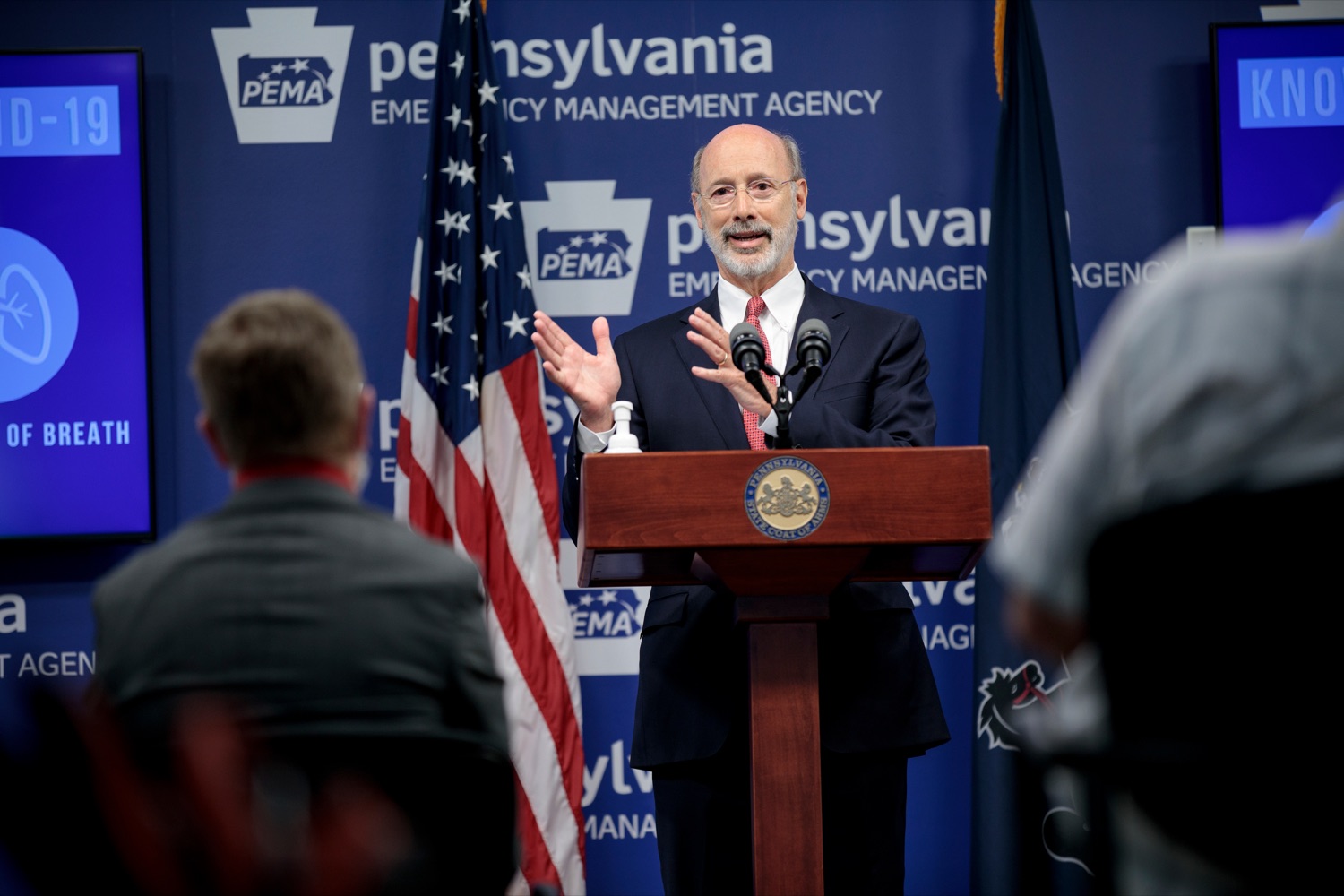
Governor Tom Wolf speaks during a press conference addressing the 2019 Novel Coronavirus (COVID-19) in Pennsylvania, inside PEMA headquarters on Wednesday, June 10, 2020.

Harrisburg, PA – Today, state and federal officials joined Governor Tom Wolf in reminding Pennsylvanians to wear a mask to reduce the likelihood of spreading COVID-19.

“As we increasingly resume public activities in our commonwealth, we need to remain vigilant about taking precautions, especially wearing a mask that covers our noses and mouths while around other people,” said Gov. Wolf. “This is an easy, yet important action that has been shown by research to reduce the spread of COVID-19.”

The Centers for Disease Control and Prevention has advised people to wear a cloth mask to help slow the spread of COVID-19. The CDC’s website offers directions for easy-to-make masks, with patterns for sew and no-sew masks made from everyday household materials.

“Public health experts continue to recommend mask-wearing in public, and ongoing research continues to support that recommendation,” said U.S. Sen. Bob Casey. “When you wear a mask, you are sending a clear message to others in your community that you care about them and their well-being as much as your own. I know that if we each do our part, we will beat this virus and be able to start safely rebuilding together.”

“Since late March, I have been making the case for Pennsylvanians to wear masks when they venture out,” said U.S. Sen. Pat Toomey. “As the commonwealth continues to re-open, mask wearing has taken on increased significance, as studies continue to affirm that masks helps slow the spread of the coronavirus. Put simply, wearing a mask is an important step that we, as Pennsylvanians, can take to protect one another – as my mask protects you, and your mask protects me.”

“The simple act of wearing a mask is how we protect everyone’s health and the fastest course to restoring our economy,” said state Sen. Pam Iovino. “Wearing a mask demonstrates concern for the welfare of all of us and how we get through this crisis together.”

“Wearing a mask is vital to protect the health and safety of our community,” said state Rep. Melissa Shusterman.  “As our state moves back to the green phase, it is the most important step we can take to preserve the progress we’ve made as a state through this crisis. As Pennsylvanians, we all need to participate in wearing masks to care for our neighbors, and so that our economy and state can continue to make a strong recovery.”

Sec. of Health Dr. Rachel Levine signed an order mandating mask-wearing on July 1. It remains in effect. Frequently Asked Questions about the mask-wearing order can be found here.

July 7, 2020 – Department of Health Report


Department of Health Provides Update on COVID-19,

995 Positives Bring Statewide Total to 91,299

Harrisburg, PA – The Pennsylvania Department of Health today confirmed as of 12:00 a.m., July 7, that there are 995 additional positive cases of COVID-19, bringing the statewide total to 91,299. All 67 counties in Pennsylvania have cases of COVID-19.

The number of new cases in Allegheny County increased by 204 cases overnight. Philadelphia County increased by 288 cases, but those cases represent cases over several weeks, and are not all people recently tested. This is because of a lag time in reporting from the Philadelphia Department of Health.

The number of tests administered since July 1 is 98,707 with 4,693 positive test results.

There are 6,787 total deaths attributed to COVID-19, an increase of 33 new deaths reported. County-specific information and a statewide map are available here.

“As the entire state is now in the green phase, we must remain committed to protecting against COVID-19 by wearing a mask, practicing social distancing and avoiding large gatherings this holiday weekend,” Secretary of Health Dr. Rachel Levine said. “Pennsylvania has been a model for the country on how to reopen effectively using a careful, measured approach. However, the virus has not gone away and we are seeing cases rise, especially in Southwest Pennsylvania.”

Mask-wearing is required in all businesses and whenever leaving home. Consistent mask-wearing is critical to preventing the spread of COVID-19.

There are 634 patients who have a positive serology test and either COVID-19 symptoms or a high-risk exposure, which are considered probable cases and not confirmed cases. There are 758,803 patients who have tested negative to date. Of the patients who have tested positive to date the age breakdown is as follows:

  • Nearly 1% are ages 0-4;
  • 1% are ages 5-12;
  • Nearly 3% are ages 13-18;
  • Nearly 8% are ages 19-24;
  • 37% are ages 25-49;
  • Nearly 24% are ages 50-64; and
  • Nearly 27% are ages 65 or older.

Most of the patients hospitalized are ages 65 or older, and most of the deaths have occurred in patients 65 or older. More data is available here.

The department is seeing significant increases in the number of COVID-19 cases among younger age groups, particularly 19 to 24-year-olds. An alert was sent to healthcare providers over the weekend about the changing COVID-19 case demographics, as there are more cases in younger age groups than in those 50-64 and 65+. The following regions have seen significant increases among 19 to 24-year-olds in each month from April to July:

  • SW – Approximately 5 percent of cases in April to nearly 30 percent of cases so far in July;
  • SE – Nearly 5 percent of cases in April to approximately 15 percent of cases so far in July;
  • NE – Nearly 6 percent of cases in April to nearly 15 percent of cases so far in July;
  • NW – Nearly 7 percent of cases in April to approximately 14 percent of cases so far in July; and
  • SC – Approximately 7 percent of cases in April to about 14 percent of cases so far in July.

In nursing and personal care homes, there are 18,003 resident cases of COVID-19, and 3,359 cases among employees, for a total of 21,362 at 719 distinct facilities in 55 counties. Out of our total deaths, 4,626 have occurred in residents from nursing or personal care facilities. A county breakdown can be found here.

Approximately 6,855 of our total cases are in health care workers.

For the latest information for individuals, families, businesses and schools, visit “Responding to COVID-19” on pa.gov.

Currently, all 67 counties are in the green phase of reopening.

Statewide – The Wolf Administration has since noon, July 6:

The Wolf Administration stresses the role Pennsylvanians play in helping to reduce the spread of COVID-19:

  • Wash your hands with soap and water for at least 20 seconds or use hand sanitizer if soap and water are not available.
  • Cover any coughs or sneezes with your elbow, not your hands.
  • Clean surfaces frequently.
  • Stay home to avoid spreading COVID-19, especially if you are unwell.
  • If you must go out, you are required to wear a mask when in a business or where it is difficult to maintain proper social distancing.

Updated Coronavirus Links: Press Releases, State Lab Photos, Graphics

All Pennsylvania residents are encouraged to sign up for AlertPA, a text notification system for health, weather, and other important alerts like COVID-19 updates from commonwealth agencies. Residents can sign up online at www.ready.pa.gov/BeInformed/Signup-For-Alerts.