Reeves and Freed linked through church and WASD

Photo Courtesy: CCWC Facebook page

Pastor Marwyn & First Lady Barbara Reeves in front of their church Christ Community Worship Center, Inc.

Talkwilliamsport.com has learned current WASD school board member Barbara Reeves works alongside WASD high school principal Roger Freed at Christ Community Worship Center, Inc.

Freed is listed as:

NAME: LIFE CAMP

LED BY: Pastor Roger Freed


NAME: Women’s Ministry

LED BY: First Lady Barbara Reeves


NAME: Youth Ministry

LED BY: Mitchell Floyd & Roger Freed

 

Photo Courtesy: CCWC Facebook page

Roger Freed at Christ Community Worship Center, Inc 6-29-19


From the article “Colossal Failure happening in the WASD” published earlier this week:

“According to data presented, the academic courses that are currently being failed at the high school level this marking period total 2,932 or 32%. At the mid-marking period assessment, the total was 2,968.

Remote learning only students accounted for 1,203 or 54% of the total failure number.”

According to WASD superintendent Dr. Timothy Bowers, “Williamsport remains one of only two school districts in the Intermediate Unit that is not back to five day per week in-person learning.”

Prior to the meeting this evening, the WASD sought input from parents in the district by sending out a survey seeking guidance on a possible return to five day per week in-person learning, a hybrid option or remote only learning.

By an overwhelming majority of the 3,044 households surveyed (79.6% response rate) in the WASD, 1,422 or 59.37% supported a return to five day per week in-person learning. Adding in the 135 households that would switch from the current hybrid to in-person learning brought the total to 1,557 respondents or 65%.

The three-day or more absence rate has exploded in the hybrid model.

  • Grades K-4 rate stands at 416 compared to 40 for this same time last year an increase of 900%.
  • Grades 5-8 rate stands at 270 compared to 35 for this same time last year an increase of 600%.
  • Grades 9-12 rate stands at 507 compared to 42 for this same time last year an increase of 1,107%.


In the event Freed works with Reeves at a local church, would that cause a conflict of interest for the Williamsport Area School District?

Since Freed is a high school principal in a building that has one-third of the classes being failed this marking period and 507 absences with a growth rate of 1,107% year-to-year; did Reeves cast a vote to provide protection to a known associate?

If this is indeed the case, should Barbara Reeves have recused herself from voting?

That scenario would have created a 4-3 majority to return to 5-day per week in-person learning.

If Reeves and Freed are engaged in an employer/employee or co-worker relationship; would Barbara Reeves need to immediately resign from the WASD school board?

As a footnote to the story, Pastor Roger Freed has previously served as the Camp Director for LIFE Summer Youth Camp at Christ Community Worship Center, Inc.

The same Roger Freed was part of the non-criminal and criminal investigations at WAHS into the 2018 WAHS baseball team trip where “criminal sexual misconduct” occurred.

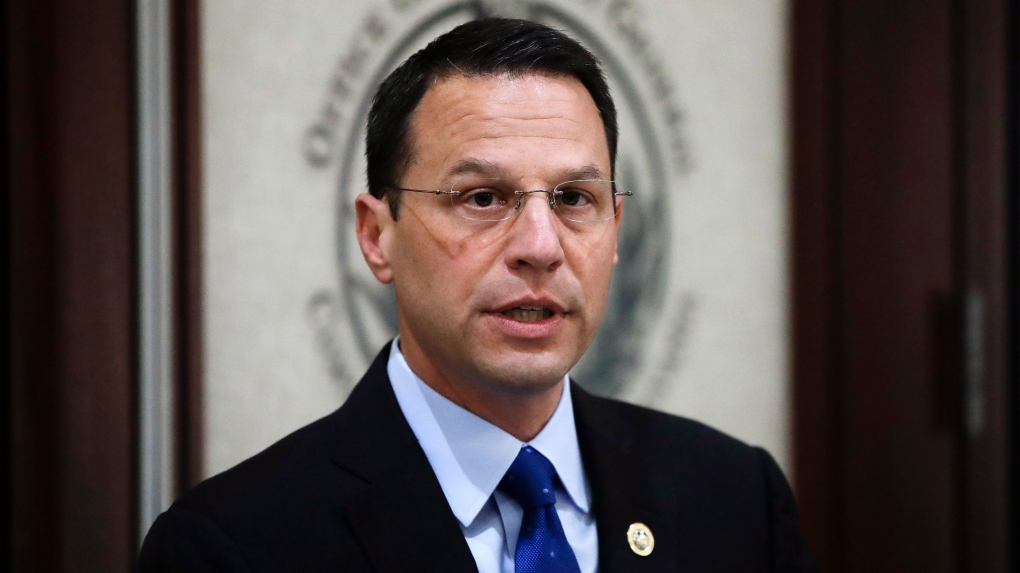
That case is currently being investigated by PA Attorney General Josh Shapiro and the Myrtle Beach Police Department.

Earlier this year when fellow WASD school board member Adam Welteroth made a motion to launch an independent third party investigation into the Myrtle Beach case, Reeves sat silently by.

WASD school board member Barbara Reeves declined an interview request for this story.

Colossal Failure happening in the WASD

By: Todd Bartley

Talkwilliamsport.com

Colossal failure happening in the WASD was the assessment delivered by assistant superintendent Dr. Susan Bigger, Tuesday evening at the WASD school board meeting held in-person at the WAHS auditorium.

According to data presented, the academic courses that are currently being failed at the high school level this marking period total 2,932 or 32%. At the mid-marking period assessment, the total was 2,968.

Remote learning only students accounted for 1,203 or 54% of the total failure number.

In the middle school, 3,199 academic courses are currently being failed.

According to WASD superintendent Dr. Timothy Bowers, “Williamsport remains one of only two school districts in the Intermediate Unit that is not back to five day per week in-person learning.”

Prior to the meeting this evening, the WASD sought input from parents in the district by sending out a survey seeking guidance on a possible return to five day per week in-person learning, a hybrid option or remote only learning.

By an overwhelming majority of the 3,044 households surveyed (79.6% response rate) in the WASD, 1,422 or 59.37% supported a return to five day per week in-person learning. Adding in the 135 households that would switch from the current hybrid to in-person learning brought the total to 1,557 respondents or 65%.

Those numbers apparently fell on deaf ears of four WASD board members who have shown a proclivity for ignoring the obvious in previous urgent matters before them.

After a nearly 90-minute discussion period on a possible return to five day per week in-person learning; a motion was made to take a vote.

As the roll call of board members was read, the final tally was 4-4, which meant the motion failed to gain a majority, so the status quo of hybrid learning remains in place.

Casting votes for five day per week in-person learning were Adam Welteroth, Marc Schefsky, Dr. Jane Penman and President Lori Baer.

Casting votes against five day per week in-person learning were Barbara Reeves, Nancy Somers, Patrick Dixon and Jennifer Lake.

Sigh….

WASD school board member Star Poole was absent.

After an additional period of discussion, a second vote was been taken by the WASD school board to return to 5-day in-person learning ending in a 4-4 draw again.

The three-day or more absence rate has exploded in the hybrid model.

  • Grades K-4 rate stands at 416 compared to 40 for this same time last year an increase of 900%.
  • Grades 5-8 rate stands at 270 compared to 35 for this same time last year an increase of 600%.
  • Grades 9-12 rate stands at 507 compared to 42 for this same time last year an increase of 1,107%.

One of the board members noted that a group of 40 teachers begged not to go back to in-person learning.

Dr. Poole noted the district is already down 76 students from a year ago. There are 4,850 currently enrolled students. The reduction in student population occurred at the elementary level.

  • K     -90 students
  • K-3 -94 students
  • 4-6 -13 students
  • MS -22 students
  • HS +49 students with 365 seniors

WASD board member Nancy Somers, who voted no to returning to five day per week in-person learning suggested based on the science and the virus that “in-person learning should not happen until next year.”

Dr. Penman stated unequivocally, “hybrid is not working.”

Jennifer Lake prior to voting no to five day per week in-person learning asked the following question; “how do we reconcile six high school teachers quarantined? That is only going to increase.” Then she sighed.

The implication Lake is making is these teachers contracted the virus by interacting with students.

She did so, in the absence of any science.

WASD teachers and administrators have received uninterrupted full pay and benefits since the inception of the pandemic.

It was announced during the meeting the Lycoming County Commissioners had provided just under one million dollars of CARES Act funding to the WASD.

During the public comment portion of the meeting, Brad, an IT administrator and WASD parent voiced his displeasure with the “Schoolology” online learning platform currently deployed; “most parents are severely disappointed in the hybrid model. There are no links with Schoolology and it is flawed.”

In a scathing rebuke of the WASD school board and administration, he added, “the community at-large has not been involved in the process.”  Noting a call to superintendent Dr. Bowers office, and getting this response from his secretary “hearing it is on the individual building principals.”

Ashley, another clearly upset WASD parent stated, “it is very frustrating the no votes have remained silent.”

Kelly, a WASD parent voiced concern over having to quarantine her child and mounting medical bills. Even with those concerns; “I want kids back in school five days.”

Anna Radspinner speaking as a teacher and on behalf of her husband and fellow teacher Matt Radspinner applauded the no voters, “for following the science and the virus.” She expressed fear about speaking in front of the board as a teacher.

The most compelling public comments of the night came from Stacy, a concerned WASD parent and former educator herself.

“Dr. Penman, thank you for being an advocate for our children. On the way here tonight, we noticed the big sign at the bottom of the hill that says BE PRESENT.

How can students do that when they are not allowed to BE PRESENT?

I feel my two sons are being cheated. We sold our house to be in this district six years ago, increased our taxes by three times.

We brag about how great the opportunities are in the WASD to all of our family and friends. 

Starting last spring the teachers in my family went to remote learning and were shocked to learn that my boys had done nothing.

What was happening all summer?”

She revealed that at the high school level only one teacher in one class per week is “providing actual instruction.”

The rest of the time the students are doing assignments on their Chromebooks with the teacher going through them simultaneously.

Brandon Pardoe is the head principal at WAHS, he did not offer any comments at the meeting, nor did any of the individual building administrators.

WASD board member Adam Welteroth raised “concern of a mass exodus if a return to 5-day in-person learning does not occur quickly.”

Stacy, may have realized the fears of Welteroth when she closed her remarks by saying, “my husband and I are going to look into Commonwealth PA Cyber School since they have been doing remote learning the right way for a long time.”

A recurring theme of the night from the WASD administration was the “hybrid model learning curve has been very steep.”

Those that voted yes shared a common theme, “the cost of the lost years of learning to the WASD student population may be felt for generations if students are not brought back to the in-person instruction and soon.”

It appears the Williamsport Area School District cannot avoid one colossal failure after another.

PA AG Josh Shapiro sends clear message to mandated reporters who fail to report

Monday morning, a press availability was hosted by Department of Human Services (DHS) Secretary Teresa Miller. She was joined by Pennsylvania Attorney General Josh Shapiro.
The panelists encouraged families to protect children from online dangers
Todd Bartley, of talkwilliamsport.com was able to ask the following question of the panelists:
“…is there ever a time to not mandate report and what happens if somebody fails to mandate report?”
Pennsylvania Attorney General Josh Shapiro offered the following response:
“I echo everything the Secretary (Miller) just said. I would just add. There are no higher priorities than protecting the most vulnerable in our state and children often times are the most vulnerable and when we find folks who are mandated reporters who are covering up abuse, we will hold them accountable.
We’ve charged many people, with, for example endangering the welfare of children.
We will not hesitate to charge mandated reporters who think they can cover-up abuse going on in a particular situation; whether a school, a place of worship, a school bus, whatever the case may be. And I think our record speaks for itself on that.”
Department of Human Services (DHS) Secretary Teresa Miller as well as Jonathan Rubin, Deputy Secretary from the PA Department of Human Services, Office of Children, Youth, and Families also offered comments which are being transcribed for publication and this story will be updated to reflect them upon completion.

Lycoming County Sheriff’s Office temporarily moving to Third Street Plaza

Effective Thursday October 22, 2020, the OFFICE of LYCOMING COUNTY SHERIFF Mark Lusk WILL BE TEMPORARILY LEAVING THE COURTHOUSE and relocating to 33 West Third Street Williamsport, located directly across the street from the Lycoming County Courthouse.

The Sheriff’s Office Administrative Operation will be CLOSED to the public on Thursday October 22 and Friday October 23, 2020 to facilitate the move. Public services such as License-to-Carry Firearms processing and other routine services will not be available during these 2 days. ALL Court related services will remain operational as will ALL Deputy Sheriff Operations.

On Monday October 26, 2020, the TEMPORARY Sheriff’s Office AT 33 West Third Street will reopen at 8:30 AM for normal business hours for License to Carry Firearm issuance and ALL other services provided by the Sheriff’s Office. Please visit our temporary Office at 33 West Third Street (also referred to as Third Street Plaza).

Mail correspondence should continue to be addressed to “The Lycoming County Sheriff’s Office, 48 West Third Street, Williamsport PA 17701”. ALL phone extensions will remain the same”.

If you have any questions, please contact our Office directly at 570-327-2280 and we will gladly assist you.

We apologize for any inconvenience this temporary situation may cause.

Yours in Service,

Sheriff Mark Lusk

DHS, Attorney General Encourage PA Families to Protect Children from Online Dangers

Harrisburg, PA – Department of Human Services (DHS) Secretary Teresa Miller, joined by Pennsylvania Attorney General Josh Shapiro and the Pennsylvania Family Support Alliance, reminded Pennsylvanians today of resources available to help families protect their children from online dangers and to educate children about using the Internet safely and productively.

“Since March, the pandemic of COVID-19 has amplified the role of the Internet in the lives of many Pennsylvanians, including children whose classrooms have moved online to protect our families and communities from the threat of the coronavirus. Thanks to the Internet, thousands of Pennsylvanians are working and learning remotely to mitigate the spread of this dangerous illness. I believe that Pennsylvanians’ flexibility and resourcefulness has saved lives,” Secretary Miller said. “But we must also remain diligent about protecting our children from dangers that lurk online. I encourage parents and guardians to speak with their children about safe online behavior and to seek out resources that are available to help.”

Attorney General Shapiro urged parents, guardians, educators and caregivers to make sure the children in their lives are aware of the Safe2Say Something app and hotline, which children can use to anonymously and safely report threats of violence, harassment and bullying – much of which occurs today in the realm of social media. The hotline can be reached at 1-844-723-2729.

“We must protect our children — in schools, at home, and online. Safe2Say Something serves as a program aimed at keeping young people safe and giving them an anonymous way to ask for help — for themselves or others,” Attorney General Shapiro said. “Over the past two years, we have received 51,800 tips and we know that these tips have saved lives.”

The Pennsylvania Family Support Alliance (PFSA) has posted a resource guide for parents to help them navigate the added challenges of the COVID-19 pandemic. This includes a guide to recognizing child abuse when interacting with a child virtually.

“It’s vitally important that parents and caregivers are equipped with the tools and resources they need to keep children safe,” said Angela M. Liddle, president and CEO of PFSA. “Very often, that means parents have to first learn how online platforms work and what type of protections they should be utilizing.”

Liddle highlighted practical tips for parents, guardians and caregivers whose children are learning remotely or otherwise engaged online. For example, to protect children from online dangers:

  • Put the computer in an open space so you can see what your child is doing online periodically.
  • Set clear rules with children, such as not giving their name, address, phone number, or any personal information and no chatting with strangers.
  • Limit how long your child can be online at one time.
  • Spend time with your child online. Ask questions about what they are doing and look at their social media pages.
  • Know who your children are hanging out with online and who they are talking to.
  • Set a good example for your children. Parents who view inappropriate things online can leave traces for their children to find later.
  • Urge children to alert you if they encounter something or someone on the internet that makes them feel uncomfortable.

The Pennsylvania Department of Education has published an extensive list of resources on its website to help families promote positive learning climates for their children online and at home. Pennsylvania’s Professional Standards and Practices Commission has also offered best practices guidance for educators to protect themselves and their students engaged in virtual learning.

DHS administers ChildLine, which is a 24/7 hotline available to anyone concerned for the safety or well-being of a child. To report a concern, call 1-800-932-0313.

Anyone can make a report to ChildLine. Anyone who is not a mandated reporter can make a report to ChildLine anonymously. DHS is encouraging all Pennsylvanians to learn more about the signs of potential abuse or neglect and make a report to ChildLine if they suspect abuse or neglect. Pennsylvanians can learn more about potential signs of abuse at www.keepkidssafe.pa.gov.

State Police Bureau of Liquor Control Enforcement October 16-18: 241 Compliance Checks; 11 Notices of Violation

 
Harrisburg, PA – Pennsylvania State Police Liquor Control Enforcement Officers visited 241 licensed liquor establishments from Friday, October 16 through Sunday, October 18 to ensure businesses are abiding by COVID-19 mitigation requirements that include social distancing, masking, and other health and safety requirements of the liquor code.
Liquor Control Enforcement Officers issued 11 notices of violation and 52 warnings for failing to follow COVID-19 requirements. As mandated by the liquor code, a notice of violation precedes the issuance of an administrative citation, which is civil in nature, and is intended to provide licensed liquor establishments notification of the nature of violation(s) discovered. The investigation remains open during this period, pending review by the Pennsylvania State Police Bureau of Liquor Control Enforcement (BLCE). Because the investigation is ongoing, names of establishments issued a notice of violation will not be released at this time. Each BLCE district office posts a monthly public information release that includes details on citations issued by that office.
Compliance checks are unannounced and can occur anywhere in the commonwealth, although the focus is on areas experiencing higher coronavirus transmission rates. Among other requirements, all businesses and employees in the restaurant and retail food service industry authorized to conduct in-person activities are mandated to:
  • Require all customers to wear masks while entering, exiting or otherwise traveling throughout the restaurant or retail food service business (face masks may be removed while seated). Further, employees are required to wear masks at all times.
  • Provide at least six feet between parties at tables or physical barriers between customers where booths are arranged back to back.
  • Ensure maximum occupancy limits for indoor and outdoor areas are posted and enforced.
Bureau of Liquor Control Enforcement | October 16-18, 2020
​TOTAL LICENSEE CHECKS
WARNINGS RELATED TO COVID-19 MITIGATION EFFORTS
NOTICES OF VIOLATION RELATED TO COVID-19 MITIGATION EFFORTS
1-Philadelphia
​16
7
2
2-Wilkes-Barre
45
4
2
3-Harrisburg
15
3
0
4-Pittsburgh
67
9
1
5-Altoona
14
0
1
6-Williamsport
25
5
1
7-Punxsutawney
9
7
1
8-Erie
24
5
2
9-Allentown
26
12
1
TOTALS
241
52
11
Violators may face administrative citation by the Pennsylvania State Police Bureau of Liquor Control Enforcement. Continued violations put an establishment’s liquor license at risk, either through the citation process or upon application for renewal. More information is available on the enforcement page of the state police COVID-19 portal.
Complaints regarding licensees not complying with COVID-19 mitigation mandates may be directed to the BLCE at 1-800-932-0602 or reported through the BLCE’s online complaint form.

Gov. Wolf Urges General Assembly to Support Small Businesses

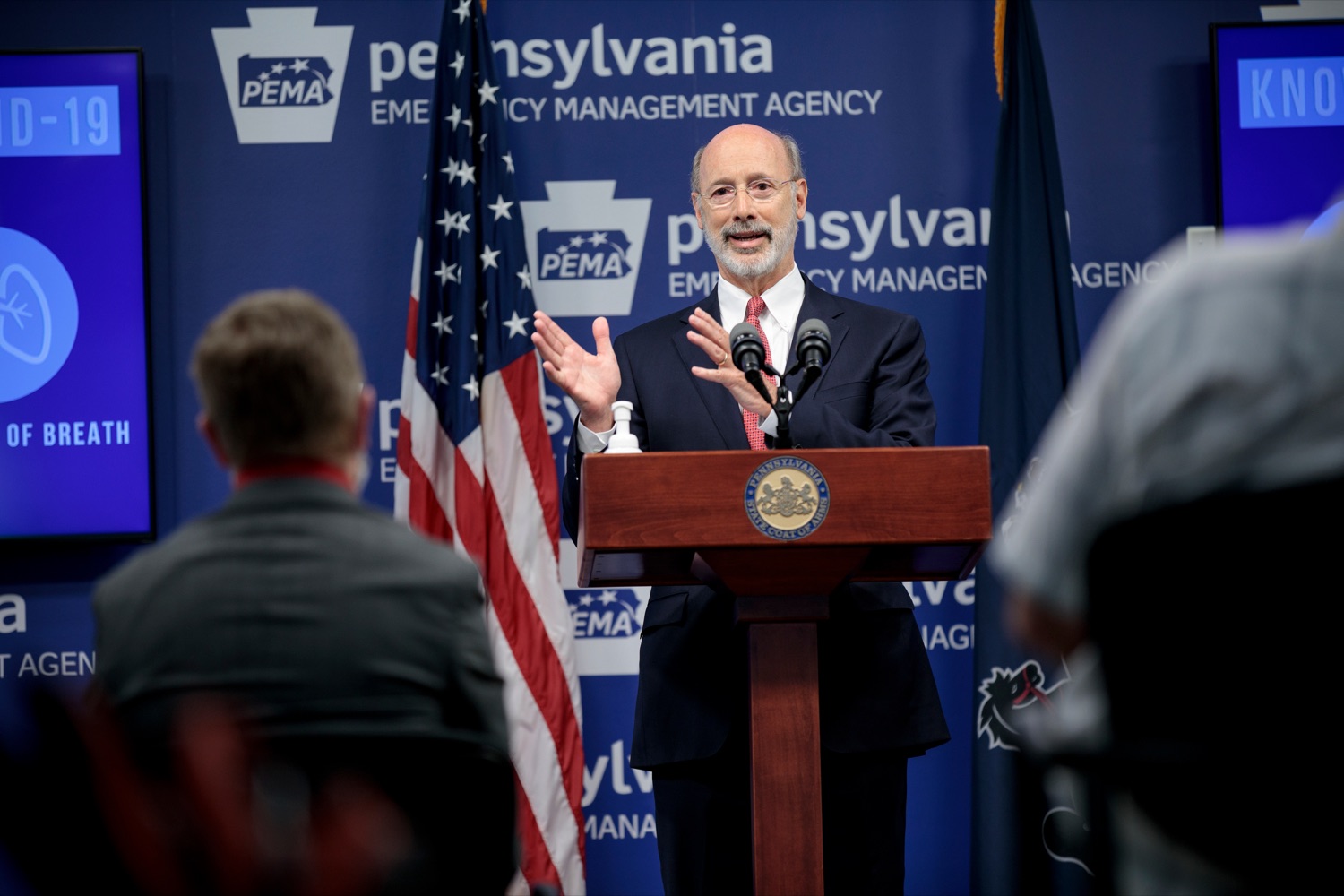
Governor Tom Wolf speaks during a press conference addressing the 2019 Novel Coronavirus (COVID-19) in Pennsylvania, inside PEMA headquarters on Wednesday, June 10, 2020.

Harrisburg, Pa. – Today, Governor Tom Wolf urged the Pennsylvania General Assembly to act on funding small businesses while the body is in session this week.

“Small businesses have been significantly impacted by the COVID-19 pandemic,” said Gov. Wolf. “The Small Business Assistance Program has seen immense success, but further support is needed to support our small businesses and strengthen the economy. I am calling on the General Assembly to approve additional funds to support our small businesses. We cannot let another week go by without addressing this need.”

As part of his fall legislative agenda, Governor Wolf called on the General Assembly to provide an additional $225 million in federal Coronavirus Aid, Relief and Economic Security (CARES) Act funding in the form of forgivable loans and grants to small businesses in Pennsylvania through the COVID-19 Relief Statewide Small Business Assistance Program. In addition, the governor proposed $100 million in forgivable loans and grants for the hospitality, leisure and service industries, including restaurants and bars, salons and barber shops.

The COVID-19 Relief Statewide Small Business Assistance funding was developed in partnership with state lawmakers and allocated through the state budget, which included $2.6 billion in federal stimulus funds through the CARES Act, of which $225 million was earmarked for relief for small businesses, including historically disadvantaged businesses.

To date, more than 10,000 businesses were approved for $192 million in grants through the COVID-19 Relief Statewide Small Business Assistance Program. However, as the economic consequences of the COVID-19 pandemic continue, it is imperative that further funding be allocated to help small businesses that were not awarded in the first two rounds of funding, or that face ongoing hardship.

“So many of Pennsylvania’s small businesses have taken on additional work and costs to do the right thing and keep their employees and customers safe since reopening,” Gov. Wolf said. “They are doing everything right, and they need our help to continue to make ends meet.

“We held back a portion of Pennsylvania’s CARES Act funding so that we could address the commonwealth’s needs this fall. There is a need for additional funding for Pennsylvania’s small businesses right now, and I implore the General Assembly to take action without delay to support our small business community.”

PA COVID-19 Early Warning Monitoring Dashboard Update for Oct. 9 – Oct. 15

Harrisburg, PA – Governor Tom Wolf and Secretary of Health Dr. Rachel Levine today released a weekly status update detailing the state’s mitigation efforts based on the COVID-19 Early Warning Monitoring System Dashboard. Updates are released each Monday.

The update includes the following:

  • Level of community transmission as a basis for the recommendations for Pre-K to 12 schools to determine instructional models.
  • Data on cases among 5-18-year-olds.
  • Cases that reported visiting a business among potential locations where exposures may have occurred.
  • Updated travel recommendations.

The dashboard is designed to provide early warning signs of factors that affect the state’s mitigation efforts. The data available on the early warning monitoring dashboard includes week-over-week case differences, incidence rates, test percent-positivity, and rates of hospitalizations, ventilations and emergency room visits tied to COVID-19. This week’s update compares the period of October 9 – October 15 to the previous seven days, October 2 – October 8.

“Our percent positivity and incidence rate for the Commonwealth both increased again this week in the midst of our fall resurgence of cases in Pennsylvania,” Gov. Wolf said. “We cannot emphasize enough the importance of Pennsylvanians being united in taking actions to protect ourselves and others, such as wearing a mask, practicing social distancing, washing our hands and avoiding large gatherings. Together, Pennsylvanians can work to prevent the spread of the virus.”

As of Thursday, October 15, the state has seen a seven-day case increase of 8,723 cases; the previous seven-day increase was 7,398 cases, indicating a 1,325-case increase across the state over the past week.

The statewide percent-positivity went up to 4.3% from 3.9% last week. Counties with concerning percent-positivity include Huntingdon (9.9%), Westmoreland (8.9%), Bradford (8.3%), Lackawanna (8.2%), Lebanon (8.2%), Perry (8.2%), Elk (7.9%), Susquehanna (7.1%), Bedford (6.8%), Berks (6.5%), Lawrence (6.4%), Luzerne (6.0%), Schuylkill (5.9%), Dauphin (5.7%), Armstrong (5.6%), Centre (5.6%), Tioga (5.5%), Carbon (5.1%), Indiana (5.1%), Montour (5.0%), Blair (5.0%), Each of these counties bears watching as the state continues to monitor all available data.

Community Transmission
As of Friday’s data, Berks, Blair, Bradford, Centre, Huntingdon, Lackawanna, Lebanon, Montour, Schuylkill, Union and Westmoreland counties were in the substantial level of community transmission. The departments of Education and Health will speak with school district representatives in these counties to discuss the implications of this level of transmission.

For the week ending October 15, 10 counties were in the low level of transmission, 46 counties in the moderate level, with 11 with substantial transmission:

  • Low – Cameron, Clinton, Forest, Fulton, Greene, Juniata, Pike, Potter, Sullivan, Warren,
  • Moderate – Adams, Allegheny, Armstrong, Beaver, Bedford, Bucks, Butler, Cambria, Carbon, Chester, Clarion, Clearfield, Columbia, Crawford, Cumberland, Dauphin, Delaware, Elk, Erie, Fayette, Franklin, Indiana, Jefferson, Lancaster, Lawrence, Lehigh, Luzerne, Lycoming, McKean, Mercer, Mifflin, Monroe, Montgomery, Northampton, Northumberland, Perry, Philadelphia, Snyder, Somerset, Susquehanna, Tioga, Venango, Washington, Wayne, Wyoming, York
  • Substantial – Berks, Blair, Bradford, Centre, Huntingdon, Lackawanna, Lebanon, Montour, Schuylkill, Union, Westmoreland

Cases Among 5-18-Year-Olds
The Department of Health is providing weekly data on the number of statewide cases of COVID-19 among 5 to 18-year-olds.

Throughout the pandemic, there have been 12,162 total cases of COVID-19 among 5 to 18-year-olds. Of that total, 991 occurred between October 9 – October 15. For the week of October 2 – October 8, there were 1,004 cases of COVID-19 among 5 to 18-year-olds.

Cases by demographic group is available on the DOH website.

Business Visits
The Department of Health is providing weekly data on the number of individuals who responded to case investigators that they spent time at business establishments (restaurants, bars, gym/fitness centers, salon/barbershops) and at mass gatherings 14 days prior to the onset of COVID-19 symptoms.

Of the 8,580 confirmed cases reported between October 4 and October 10, 33 percent (2,820) provided an answer to the question as to whether they spent time at a business establishment.

Of those who did provide an answer, 17.2 percent, or 484, answered yes, they visited a business establishment 14 days prior to onset of symptoms:

  • 50 percent (243) of those who said yes reported going to a restaurant;
  • 26 percent (125) of those who said yes reported going to some other business establishment;
  • 14.3 percent (69) of those who said yes reported going to a bar;
  • 13 percent (64) of those who said yes reported going to a gym/fitness center; and
  • 8 percent (38) of those who said yes reported going to a salon/barbershop.

Of the 8,580 confirmed cases, 33 percent (2,822) answered the question as to whether they attended a mass gathering or other large event. Of the 33 percent, 16.3 percent (424) answered yes to whether they attended a mass gathering or other large event 14 days prior to onset of symptoms.

Compared to data reported on October 13, this week’s data saw an increase in people going to a gym/fitness center (13 percent vs. 10.6 percent last week), going to a salon or barbershop (8 percent vs. 7 percent last week) and going to some other business (26 percent vs. 25 percent last week). Numbers went down for this week’s data for people who reported going to a restaurant (50 percent vs. 53 percent last week) and down slightly for those who reported going to a bar (14.3 percent vs. 14.5 percent last week). The number of those who attended a mass gathering or other large event remained relatively the same at 16 percent.

The numbers above highlight business settings and mass gatherings as possible sites for transmission. With less than half of those asked about what types of businesses they visited or if they attended a mass gathering responding to the question, the department is reminding Pennsylvanians that it is essential that people answer the phone when case investigators call and to provide full and complete information to these clinical professionals.

Travel Recommendations
Also today, the Department of Health updated its travel recommendations, originally announced on July 2, to remove Texas from the list of states recommended for domestic travelers returning from to quarantine for 14 days upon return to Pennsylvania.

It is important that people understand that this recommendation is in place to prevent the spread of COVID-19 in Pennsylvania. A concerning number of recent cases have been linked to travel, and if people are going to travel, we need them to take steps to protect themselves, their loved ones and their community, and that involves quarantining.

Gov. Wolf continues to prioritize the health and safety of all Pennsylvanians through the COVID-19 pandemic. Pennsylvanians should continue to take actions to prevent the spread of COVID-19, regardless of in what county they live. This includes wearing a mask or face covering anytime they are in public. COVID-19 has been shown to spread easily in the air and contagious carriers can be asymptomatic.

October 19, 2020 – Department of Health Report

Fifteen (15) new cases added Sunday and Monday in Lycoming County now at 873 cases, no new deaths, one new death, 29 total deaths, with 15,261 negatives according to DOH report.

Department of Health Provides Update on COVID-19,

2,372 Two-Day Positives Bring Statewide Total to 183,315

Pennsylvanians Urged to Download COVID Alert PA App

Harrisburg, PA – The Pennsylvania Department of Health today confirmed as of 12:00 a.m., October 19, that there were 1,103 new cases, in addition to 1,269 new cases reported on Sunday, October 18 for a two-day total of 2,372 additional positive cases of COVID-19, bringing the statewide total to 183,315.

Allegheny is reporting an increase of 100 cases.

The number of tests administered within the last 7 days between October 12 and October 18 is 233,298 with 6,870 positive cases. There were 28,821 test results reported to the department through 10 p.m., October 17 and 22,977 test results reported to the department through 10 p.m., October 18.

There were 26 new deaths reported Sunday, October 11, and 8 new deaths reported for Monday, October 19 for a total of 8,500 deaths attributed to COVID-19. County-specific information and a statewide map are available on the COVID-19 Data Dashboard.

Mask-wearing is required in all businesses and whenever leaving home. Consistent mask-wearing is critical to preventing the spread of COVID-19.

There are 1,719 cases who have a positive viral antigen test and are considered probable cases and 648 patients who have a positive serology test and either COVID-19 symptoms or a high-risk exposure.

There are 2,143,966 patients who have tested negative to date. Of the patients who have tested positive to date the age breakdown is as follows:

  • Approximately 1% are ages 0-4;
  • Nearly 2% are ages 5-12;
  • Nearly 5% are ages 13-18;
  • Nearly 14% are ages 19-24;
  • Nearly 36% are ages 25-49;
  • Approximately 21% are ages 50-64; and
  • Approximately 21% are ages 65 or older.

Most of the patients hospitalized are ages 65 or older, and most of the deaths have occurred in patients 65 or older. More data is available here.

The department is seeing significant increases in the number of COVID-19 cases among younger age groups, particularly 19 to 24-year-olds. An alert was sent to healthcare providers about the changing COVID-19 case demographics, as there are more cases in younger age groups than in those 50-64 and 65+. The following regions saw significant increases among 19 to 24-year-olds in each month from April to present in October:

  • NC – Approximately 7 percent of cases in April to nearly 33 percent of cases so far in October;
  • SE – Nearly 5 percent of cases in April to nearly 17 percent of cases so far in October;
  • NE – 6 percent of cases in April to nearly 20 percent of cases so far in October;
  • NW – Nearly 7 percent of cases in April to approximately 19 percent of cases so far in October;
  • SW – Approximately 5 percent of cases in April to nearly 13 percent of cases so far in October; and
  • SC – Approximately 7 percent of cases in April to nearly 10 percent of cases so far in October.

In nursing and personal care homes, there are 24,663 resident cases of COVID-19, and 5,389 cases among employees, for a total of 30,052 at 1,025 distinct facilities in 61 counties. Out of our total deaths, 5,609 have occurred in residents from nursing or personal care facilities. A county breakdown can be found here.

Approximately 11,697 of our total cases are among health care workers.

Statewide – The Wolf Administration has since noon, Oct. 18:

The Wolf Administration stresses the role Pennsylvanians play in helping to reduce the spread of COVID-19:

  • Wash your hands with soap and water for at least 20 seconds or use hand sanitizer if soap and water are not available.
  • Cover any coughs or sneezes with your elbow, not your hands.
  • Clean surfaces frequently.
  • Stay home to avoid spreading COVID-19, especially if you are unwell.
  • If you must go out, you are required to wear a mask when in a business or where it is difficult to maintain proper social distancing.
  • Download the COVID Alert PA app and make your phone part of the fight. The free app can be found in the Google Play Store and the Apple App Store by searching for “covid alert pa.

Updated Coronavirus Links: Press Releases, State Lab Photos, Graphics

All Pennsylvania residents are encouraged to sign up for AlertPA, a text notification system for health, weather, and other important alerts like COVID-19 updates from commonwealth agencies. Residents can sign up online at www.ready.pa.gov/BeInformed/Signup-For-Alerts.

Wolf Admin: Join the More than 322,000 Pennsylvanians Who Added Their Phone to the Fight by Downloading the COVID Alert PA app

Harrisburg, PA – Secretary of Health Dr. Rachel Levine today encouraged residents to join the more than 322,000 Pennsylvanians who have added their phones to the fight by downloading the COVID Alert PA mobile app.

“I am encouraging everyone to wear a mask, practice social distancing and wash your hands or use hand sanitizer on a regular basis,” Dr. Levine said. “I also urge every Pennsylvanian to download the COVID Alert PA so you can get a notification if you have been in close contact with someone who later tests positive for COVID-19, or anonymously notify other residents if you yourself test positive. We all play a part in stopping the spread of this virus, and by uniting together, we can all make a difference.”

COVID Alert PA is a free and voluntary mobile app developed by the Pennsylvania Department of Health in partnership with NearForm, University of Pennsylvania and MIT Lincoln Laboratory using Apple and Google’s Exposure Notification System. The app’s features include an interactive COVID-19 symptom check-in, alerts for potential exposures to the virus, updates on the latest public health data about COVID-19 in PA and public health guidance for what to do if you have a potential exposure to COVID-19.

The app is designed to ensure privacy of the user. It does not use GPS, location services or any movement or geographical information. It will never collect, transmit or store personal information. It is completely anonymous.

Download the COVID Alert PA app and make your phone part of the fight. The free app can be found in the Google Play Store and the Apple App Store by searching for “covid alert pa.”

The Wolf Administration stresses the role Pennsylvanians play in helping to reduce the spread of COVID-19:

  • Wash your hands with soap and water for at least 20 seconds or use hand sanitizer if soap and water are not available.
  • Cover any coughs or sneezes with your elbow, not your hands.
  • Clean surfaces frequently.
  • Stay home to avoid spreading COVID-19, especially if you are unwell.
  • If you must go out, you are required to wear a mask when in a business or where it is difficult to maintain proper social distancing.

Updated Coronavirus Links: Press Releases, State Lab Photos, Graphics

All Pennsylvania residents are encouraged to sign up for AlertPA, a text notification system for health, weather, and other important alerts like COVID-19 updates from commonwealth agencies. Residents can sign up online at www.ready.pa.gov/BeInformed/Signup-For-Alerts.