First Lady Wolf: Free School Meals Extended Throughout the School Year

Harrisburg, PA – First Lady Frances Wolf is proud to recognize the U.S. Department of Agriculture (USDA)’s announcement that allows schools to provide free meals to all students for the rest of the school year. These flexibilities, for which First Lady Wolf recently advocated alongside 17 other first partners and spouses, ensure that schools can continue to provide the meals despite the uncertainty and hardship caused by the pandemic.

“I am so glad that the USDA has taken this important step in guaranteeing that no child has to wonder where they might find their next meal,” said First Lady Wolf. “This forward-thinking provides much-needed certainty to families, school nutrition professionals, agricultural entities and community partners working to ensure that all children have access to nutritious meals as we continue to navigate a global health crisis and its subsequent economic effects. This is one piece of the puzzle for ensuring food security, and we look forward to continuing to work with USDA on the implementation of this and related efforts.”

These flexibilities, which have been extended through June 30, 2021, allow school feeding programs to avoid unnecessary barriers as they navigate health and safety concerns, staff limitations, technical restrictions, time constraints and more. From March through August of this year, Pennsylvania schools provided more than 25 million meals to children in need.

“With the USDA’s extension of the school feeding program waivers, students are promised access to nutritious food for the rest of the school year,” said Pennsylvania Agriculture Secretary Russell Redding. “Throughout the COVID-19 mitigation response, these waivers have worked well for schools navigating many changes. Whether students are learning from home, at the school or a mix of both, these flexibilities will keep kids fed. Hungry kids can’t learn. Because of programs like this, no Pennsylvania student should go hungry.”

According to recent projections from Feeding America, more than 54 million people, including 18 million children, may experience food insecurity this year, marking a 45 percent increase in general food security rates and a 65 percent increase in child food insecurity rates compared to pre-COVID-19 statistics.

In Pennsylvania, 2.04 million Pennsylvanians, including nearly 630,000 children, face food insecurity. This marks an increase of 45.2 percent to the general food security rate and a 57.6 percent increase to the child food insecurity rate when compared to 2018 statistics.

In letters sent to USDA Secretary Sonny Perdue and Congressional leadership on September 18, 2020, First Lady Wolf and the first spouses and partners of California, Colorado, Delaware, Hawaii, Illinois, Kansas, Kentucky, Massachusetts, Minnesota, Montana, New Jersey, North Carolina, Rhode Island, Virginia, Washington, Wisconsin and Wyoming encouraged both parties to work together to extend and fully fund the necessary school feeding program waivers throughout the remainder of the 2020-21 academic year.

Yesterday’s action by the USDA comes at the heels of the passage of continuing resolution HR 8337 by the United States House and Senate and its signing by President Trump on October 1, 2020. HR 8337, in addition to maintaining federal government funding through December 11, 2020, further extends the USDA’s necessary nutrition authority and funding through September 20, 2021, for child nutrition programs, Pandemic EBT, Summer EBT for Children, Special Supplemental Program for Women, Infants, and Children (WIC), Supplemental Nutrition Assistance Program (SNAP), Commodity Supplemental Food Program (CSFP) and more. Further USDA action is needed to implement the extensions of these other programs. 
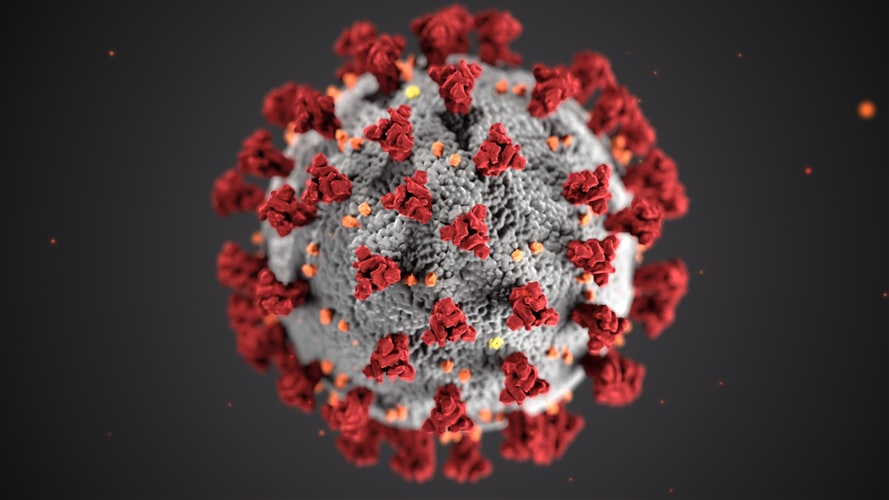
October 10, 2020 – Department of Health Report

Eleven (11) new cases added Saturday in Lycoming County now at 818 cases, two (2) new deaths, 28 total deaths, with negatives not reported on Saturday, 14,223 negatives according to DOH report on Friday.

Department Of Health Provides Update On COVID-19,

1,742 Positives Bring Statewide Total To 171,050

Pennsylvanians Urged To Download COVID Alert PA App

Harrisburg, PA –  The Pennsylvania Department of Health today confirmed as of 12:00 a.m., October 10, that there were 1,742 additional positive cases of COVID-19, bringing the statewide total to 171,050. All 67 counties in Pennsylvania have cases of COVID-19.

Philadelphia is reporting an increase of 151 cases.

The number of tests administered within the last 7 days between October 3 and October 9 is 230,104 with 8,204 positive cases. There were 47,337 test results reported to the department through 10 p.m., October 8.

There are 8,344 total deaths attributed to COVID-19, an increase of 36 new deaths reported. County-specific information and a statewide map are available on the COVID-19 Data Dashboard. 

“We know that congregation, especially in college and university settings, yields increased case counts. The mitigation efforts in place now are essential to flattening the curve and saving lives,” Secretary of Health Dr. Rachel Levine said. “Wearing a mask, practicing social distancing, and following the requirements set forth in the orders for bars and restaurants, gatherings, and telework will help keep our case counts low. Make your phone part of the fight against COVID-19 today by downloading the COVID Alert PA exposure notification app. Together, as Pennsylvanians, all of our efforts are designed to support our communities to ensure that cases of COVID-19 remain low.”

Mask-wearing is required in all businesses and whenever leaving home. Consistent mask-wearing is critical to preventing the spread of COVID-19.

There are 1,114 cases who have a positive viral antigen test and are considered probable cases and 647 patients who have a positive serology test and either COVID-19 symptoms or a high-risk exposure.

There are 2,019,440 patients who have tested negative to date. Of the patients who have tested positive to date the age breakdown is as follows:

  • Approximately 1% are ages 0-4;
  • Nearly 2% are ages 5-12;
  • Nearly 5% are ages 13-18;
  • Nearly 14% are ages 19-24;
  • Nearly 36% are ages 25-49;
  • Approximately 21% are ages 50-64; and
  • Approximately 21% are ages 65 or older.

Most of the patients hospitalized are ages 65 or older, and most of the deaths have occurred in patients 65 or older. More data is available here.

The department is seeing significant increases in the number of COVID-19 cases among younger age groups, particularly 19 to 24-year-olds. An alert was sent to healthcare providersabout the changing COVID-19 case demographics, as there are more cases in younger age groups than in those 50-64 and 65+. The following regions saw significant increases among 19 to 24-year-olds in each month from April to present in October:

  • NC – Approximately 7 percent of cases in April to nearly 38 percent of cases so far in October;
  • SE – Nearly 5 percent of cases in April to 18 percent of cases so far in October;
  • NE – 6 percent of cases in April to 22 percent of cases so far in October;
  • NW– Nearly 7 percent of cases in April to approximately 22 percent of cases so far in October;
  • SW – Approximately 5 percent of cases in April to approximately 13 percent of cases so far in October; and
  • SC – Approximately 7 percent of cases in April to nearly 12 percent of cases so far in October.

In nursing and personal care homes, there are 23,831 resident cases of COVID-19, and 5,268 cases among employees, for a total of 29,099 at 1,006 distinct facilities in61 counties. Out of our total deaths, 5,551 have occurred in residents from nursing or personal care facilities. A county breakdown can be found here.

Approximately 11,272 of our total cases are among health care workers.

Currently, all 67 counties are in the green phase of reopening.

Statewide – The Wolf Administration has since noon, Oct. 8:

·     Announced that free school meals will be providedthrough the end of the school year.

·     Announced new PPE manufacturer, new jobsin Lackawanna County.

·     Provided Pennsylvania State Police enforcement data.

The Wolf Administration stresses the role Pennsylvanians play in helping to reduce the spread of COVID-19:

  • Wash your hands with soap and water for at least 20 seconds or use hand sanitizer if soap and water are not available.
  • Cover any coughs or sneezes with your elbow, not your hands.
  • Clean surfaces frequently.
  • Stay home to avoid spreading COVID-19, especially if you are unwell.
  • If you must go out, you are required to wear a mask when in a business or where it is difficult to maintain proper social distancing.

·       Download the COVID Alert PA app and make your phone part of the fight. The free app can be found in the Google Play StoreOpens In A New Window and the Apple App StoreOpens In A New Window by searching for “covid alert pa.

Updated Coronavirus Links: Press Releases, State Lab Photos, Graphics

All Pennsylvania residents are encouraged to sign up for AlertPA, a text notification system for health, weather, and other important alerts like COVID-19 updates from commonwealth agencies. Residents can sign up online at www.ready.pa.gov/BeInformed/Signup-For-Alerts.

Congressman Fred Keller commends SBA for PPP loan forgiveness decision

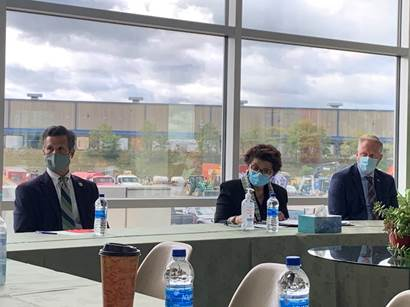
Congressman Keller and Administrator Carranza during a discussion in Pittston on Thursday, October 8.

Streamlined application comes day of Keller’s meeting with SBA Administrator

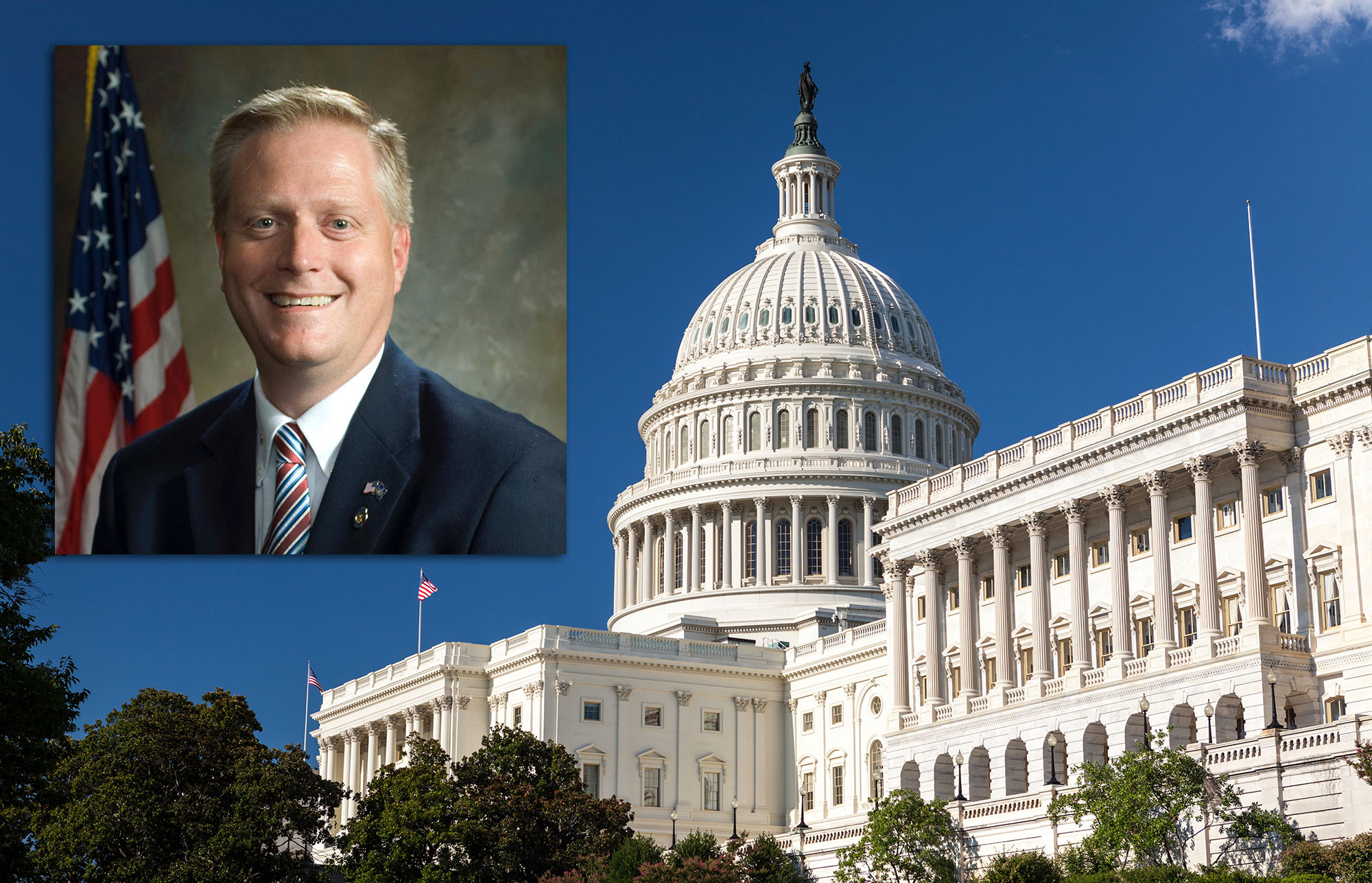
Washington, D.C. — Congressman Fred Keller (R-PA) today applauded the United States Small Business Administration (SBA) for releasing a streamlined loan forgiveness application for Paycheck Protection Program (PPP) loans totaling $50,000 or less. The announcement comes on the same day that Congressman Keller held a roundtable with SBA Administrator Jovita Carranza in Pittston, where he relayed concerns from local lenders and borrowers about the need for streamlined PPP loan forgiveness.

On Wednesday, Congressman Fred Keller held a virtual roundtable with bankers across Pennsylvania’s 12th Congressional District to hear about concerns borrowers, especially small businesses, were experiencing with PPP forgiveness. While the PPP has been a lifeline for small businesses and their employees, the forgiveness application process has been unclear and slow.

During the virtual roundtable, Congressman Keller told participants that Congress intended PPP loans to be forgivable if borrowers used the funds to keep workers on payroll and cover other specified costs. Congressman Keller outlined several legislative actions he has taken to push for a streamlined forgiveness process, including co-sponsoring legislation to streamline forgiveness for PPP loans totaling $150,000 or less.

Congressman Keller took the concerns from local bankers and small businesses directly to SBA Administrator Jovita Carranza during a roundtable in Pittston on Thursday. Later that day, the SBA announced a streamlined forgiveness process for borrowers with PPP loans under $50,000.

The newly released two-page application will significantly simplify the forgiveness process for two-thirds of all PPP loan recipients.

On Friday, Congressman Fred Keller made the following statement:

“This announcement represents a huge victory for our small businesses and for the millions of American families fighting to sustain their livelihoods. The Paycheck Protection Program has been instrumental to restoring strength to our economy, and the streamlined forgiveness application released yesterday will go even further in ensuring every business has the resources they need to move forward as we enter the next stage of our economic comeback.

“I commend President Donald Trump and Administrator Carranza for heeding the calls of small businesses and community banks across the country. While this is an important first step, Congress must act swiftly to reauthorize and extend the PPP and drive out the remaining $138 billion that has already been approved so that we can continue relief efforts to help more Americans in need.”

October 9, 2020 – Department of Health Report

Twelve (12) new cases added Friday in Lycoming County now at 807 cases and no new deaths, 26 total deaths, with 14,223 negatives according to DOH report.

Department of Health Provides Update on COVID-19,

1,380 Positives Bring Statewide Total to 169,308

Pennsylvanians Urged to Download COVID Alert PA App

Harrisburg, PA – The Pennsylvania Department of Health today confirmed as of 12:00 a.m., October 9, that there were 1,380 additional positive cases of COVID-19, bringing the statewide total to 169,308. All 67 counties in Pennsylvania have cases of COVID-19.

Philadelphia is reporting an increase of 135 cases.

The number of tests administered within the last 7 days between October 2 and October 8 is 211,544 with 7,805 positive cases. There were 34,228 test results reported to the department through 10 p.m., October 8.

There are 8,308 total deaths attributed to COVID-19, an increase of 9 new deaths reported. County-specific information and a statewide map are available on the COVID-19 Data Dashboard.

“We know that congregation, especially in college and university settings, yields increased case counts. The mitigation efforts in place now are essential to flattening the curve and saving lives,” Secretary of Health Dr. Rachel Levine said. “Wearing a mask, practicing social distancing, and following the requirements set forth in the orders for bars and restaurants, gatherings, and telework will help keep our case counts low. Make your phone part of the fight against COVID-19 today by downloading the COVID Alert PA exposure notification app. Together, as Pennsylvanians, all of our efforts are designed to support our communities to ensure that cases of COVID-19 remain low.”

Mask-wearing is required in all businesses and whenever leaving home. Consistent mask-wearing is critical to preventing the spread of COVID-19.

There are 1,061 cases who have a positive viral antigen test and are considered probable cases and 647 patients who have a positive serology test and either COVID-19 symptoms or a high-risk exposure.

There are 1,999,765 patients who have tested negative to date. Of the patients who have tested positive to date the age breakdown is as follows:

  • Approximately 1% are ages 0-4;
  • Nearly 2% are ages 5-12;
  • Nearly 5% are ages 13-18;
  • Nearly 14% are ages 19-24;
  • Nearly 36% are ages 25-49;
  • Approximately 21% are ages 50-64; and
  • Approximately 21% are ages 65 or older.

Most of the patients hospitalized are ages 65 or older, and most of the deaths have occurred in patients 65 or older. More data is available here.

The department is seeing significant increases in the number of COVID-19 cases among younger age groups, particularly 19 to 24-year-olds. An alert was sent to healthcare providers about the changing COVID-19 case demographics, as there are more cases in younger age groups than in those 50-64 and 65+. The following regions saw significant increases among 19 to 24-year-olds in each month from April to present in October:

  • NC – Approximately 7 percent of cases in April to nearly 37 percent of cases so far in October;
  • SE – Nearly 5 percent of cases in April to 18 percent of cases so far in October;
  • NE – 6 percent of cases in April to approximately 20 percent of cases so far in October;
  • NW – Nearly 7 percent of cases in April to approximately 21 percent of cases so far in October;
  • SW – Approximately 5 percent of cases in April to approximately 12 percent of cases so far in October; and
  • SC – Approximately 7 percent of cases in April to 12 percent of cases so far in October.

In nursing and personal care homes, there are 23,717 resident cases of COVID-19, and 5,252 cases among employees, for a total of 28,969 at 1,002 distinct facilities in 61 counties. Out of our total deaths, 5,548 have occurred in residents from nursing or personal care facilities. A county breakdown can be found here.

Approximately 11,220 of our total cases are among health care workers.

Currently, all 67 counties are in the green phase of reopening.

Statewide – The Wolf Administration has since noon, Oct. 8:

The Wolf Administration stresses the role Pennsylvanians play in helping to reduce the spread of COVID-19:

  • Wash your hands with soap and water for at least 20 seconds or use hand sanitizer if soap and water are not available.
  • Cover any coughs or sneezes with your elbow, not your hands.
  • Clean surfaces frequently.
  • Stay home to avoid spreading COVID-19, especially if you are unwell.
  • If you must go out, you are required to wear a mask when in a business or where it is difficult to maintain proper social distancing.
  • Download the COVID Alert PA app and make your phone part of the fight. The free app can be found in the Google Play Store and the Apple App Store by searching for “covid alert pa.

Updated Coronavirus Links: Press Releases, State Lab Photos, Graphics

All Pennsylvania residents are encouraged to sign up for AlertPA, a text notification system for health, weather, and other important alerts like COVID-19 updates from commonwealth agencies. Residents can sign up online at www.ready.pa.gov/BeInformed/Signup-For-Alerts.

Gov Wolf: $50 Million in Grants to be Awarded to Support Fire, Rescue and EMS Companies Negatively Affected by COVID-19

Harrisburg, PA – Governor Tom Wolf announced today that the Office of State Fire Commissioner (OSFC) will be awarding $50 million worth of grant funding to fire, rescue, and EMS across the commonwealth to offset expenses related to COVID-19.

“Our fire, rescue and EMS are the first responders often on the front-lines of the COVID-19 pandemic,” Gov. Wolf said. “All these professionals – some working as volunteers – give selflessly to support neighbors and communities. These CARES Act grants can assist in supporting them and their ongoing efforts to keep their neighbors and communities protected and safe.”

“Since the beginning of the COVID-19 pandemic, our office has remained open to provide the necessary resources that our fire service and EMS personnel need to fulfill a critical public safety role throughout the Commonwealth,” said Fire Commissioner Bruce Trego. “Departments have been exceptionally patient during this process, as our office has worked through changing federal guidance dictating how these dollars can be spent.”

The purpose of this funding is to provide some much-needed financial assistance to first responders who have found it difficult to keep their operations running due to COVID-19. Of the $50 million in funding set aside for this new program, $44 million will be made available to fire and rescue companies and the remaining $6 million will go to EMS companies.

As stated in Act 26, the money must be used for operational and equipment expenses. Eligible expenses include:

  • Operational Expenses – such as but not limited to:
    • Utilities
    • Insurance
    • Apparatus Repairs/Fuel
    • Personal Protective Equipment
    • Lost Revenues due to Pandemic Restrictions
  • Expenses for cleaning, sanitizing, and disinfecting of equipment and property or other expenses incurred to prevent the spread of communicable illnesses.

Program funds must be utilized for eligible expenses initiated on or after March 6, 2020 and completed on or before December 30, 2020 to be considered as eligible for this grant program.

Grant recipients should expect to receive further communication from OSFC in the coming weeks. A full list of fire companies receiving grant awards, along with the recently updated federal guidance, can be reviewed online by visiting OSFC’s website.

Gov. Wolf: We Must Protect the ACA and the More than 1 Million Pennsylvanians Who Will Suffer If It is Destroyed

York, PA – Governor Tom Wolf today amplified his call to protect the ACA and provide health care for all amid threats as the US Senate Judiciary Committee hearings to confirm conservative Judge Amy Coney Barrett to the Supreme Court begin next week and the pandemic ramps up across the country.

“I’ve been talking about health care since I took office. And now, in the middle of a pandemic, it’s more important than ever,” Gov. Wolf said. “That’s why I’ve been out in the commonwealth over the past week or so talking about how health care affects Pennsylvanians, and what we are doing to make sure that every person in the commonwealth has access to the medical care they need during this pandemic and for years to come.”

Since taking office, Gov. Wolf has expanded Medicaid so that more than 700,000 Pennsylvanians now have access to high-quality health care; fought to protect women’s reproductive rights by vetoing legislation that would infringe on those rights; spoken out against the ruling that struck down the ACA’s individual mandate; signed legislation to create a state-based health insurance exchange that will provide coverage in 2021; asked Congress time and time again to protect the ACA for all Pennsylvanians; and last week announced a health care reform package to lower costs, reduce inequity, improve transparency, and ensure quality care for all Pennsylvanians.

Representative Carol Hill-Evans joined Gov. Wolf at the event, vowing to protect the ACA for her constituents.

“I am pleased to stand with the Governor in York to ensure you I will do everything in my power to protect the Affordable Care Act for the 95th legislative district, keep my constituents insured, and create a fairer healthcare system for all,” Rep. Hill-Evans said.

The event was held at Hannah Penn K-8 School in downtown York, part of the School District of the City of York. Superintendent Dr. Andrea Berry welcomed guests and discussed the benefits of having the Hannah Penn School-Based Health Center, a Family First Health clinic, housed in the school. The clinic – the only one of its kind in a school setting in the area – provides health care to many students and community members.

“The physical location of the Hannah Penn School-Based Health Center within the Hannah Penn School demonstrates the potential of the Family First Health and School District of the City of York partnership to create neighborhood change,” Dr. Berry said. “In the coming year, we will take the next step on this journey to deepen our impact in the school and neighborhood and, through our collective connections, will work to drive systemic health outcomes for community residents.”

Maureen Casey, a registered nurse, and constituent Stacie Ritter also joined the governor. Each guest spoke about their experience with the ACA and why it is imperative it is not dismantled.

“Before the ACA, emergency rooms were overrun with people who had no choice but to use it as their primary care physician,” Casey said. “Nurses were treating patients with conditions that could have been managed, if only they could afford it. Sometimes it was too late. None of us want to return to those days, especially now that we face a pandemic, flu season on the horizon, and an economic recession that has families struggling just for the basics.”

Stacie Ritter is a mother of twins, now 22, who were diagnosed with leukemia when they were 4 years old.

“Here we are 10 years later still fighting to keep these ACA protections in place, but now in the midst of a global pandemic,” Ritter said. “We are fighting once again – with more than 200,000 dead – to protect our most vulnerable citizens from being discriminated against.”

Gov. Wolf stressed that during a pandemic when our nation is facing a highly contagious, airborne virus that spreads rapidly when people gather together, it is extremely concerning that every Pennsylvanian doesn’t have access to health care coverage, especially the most vulnerable Pennsylvanians, including those with pre-existing conditions who are most at risk of contracting COVID-19.

“Right now, we need to be expanding access to coverage, in order to protect all Pennsylvanians; instead, the ACA is under attack at the federal level,” Gov. Wolf said.

A case brought by Republican state Attorneys General will be argued before the Supreme Court in November that calls for the Affordable Care Act to be rendered unconstitutional based on a change to the ACA passed by the Republican-led Congress in 2017.

“This is an unconscionable attack on access to affordable health care for millions of Americans, including one in ten Pennsylvanians under the age of 65, and it is particularly abhorrent in the midst of a public health crisis that is still unfolding,” Gov. Wolf said.

Gov. Wolf also called on Congress to join in the fight to protect the ACA, especially as President Trump’s nominee to the Supreme Court has criticized both the ACA and legal rulings upholding it.

“In the middle of a pandemic, and at a time when health care coverage for many Pennsylvanians is at risk, we must allow the people to have a voice in deciding the future of our country and our Supreme Court,” Gov. Wolf said. “That’s why I’m calling on Senator Toomey to uphold his own precedent from four years ago and commit to holding off on voting for or against any nominee to the Supreme Court until the general election is over and the next presidential term begins.

“Pennsylvanians have a right to affordable, accessible health care. And they deserve leaders who will fight for that right. The most important thing we can do right now to protect health care for Pennsylvanians is to protect the ACA.”

Congressman Fred Keller announces grants for local fire departments 

Washington, D.C. — Congressman Fred Keller (R-PA) today announced the United States Department of Agriculture (USDA) has awarded grants to two fire departments in Bradford County.

A grant in the amount of $289,900 will go to Innes Hose Company, while an additional, separate grant in the amount of $32,600 will go to the South Creek Volunteer Fire Department. Funding for both grants is derived from the USDA’s Community Facility Disaster Grant program and will be used to purchase and upgrade firefighting equipment.

On the awarding of the grant, Congressman Fred Keller made the following statement:

“The incredible men and women who make up our local fire departments provide a critical service to our community, and they deserve all the help they can get. This pandemic has presented many challenges for our first responders, and I am hopeful that this funding will help provide them with the resources they need to continue their important work in keeping our communities safe.

“I am grateful to the USDA for their support and will continue to advocate for our local first responders whose work to protect their neighbors makes our district a safer place for everyone.”

Pennsylvanians Can Vote Early by Mail Ballot at County Election Offices and Satellite Locations

Harrisburg, Pa.   Secretary of State Kathy Boockvar today reminded Pennsylvanians that, in addition to voting by mail now and going to the polls on election day, Nov. 3, they have a third option: voting early in person by mail ballot at county election offices and satellite election offices.

“When voters use this new option, there is no need for mail delivery or waiting in line at the polls,” Secretary Boockvar said. “They can apply and cast their ballot on the spot, at their convenience, before Nov. 3. It’s how I plan to vote because election day is always the busiest day of the year for me.”

Once their county has finalized and printed the ballot, voters can visit their county election office  or satellite office and apply for a mail or absentee ballot. County election officials will check their eligibility while they wait and, once verified, will provide them with the ballot. Voters can then complete their ballot and cast it all in one visit.

Voters can use this option until 5 p.m. on Oct. 27, the deadline to apply for a mail ballot for the Nov. 3 election.

Some county election boards have opened satellite offices to offer county residents convenient voter registration services and mail-in and absentee ballot application processing and voting in different parts of their county. These satellite offices may be open additional hours, including weeknights and weekends. Each satellite office has a secure ballot collection receptacle to store voted mail-in and absentee ballots submitted at the location.

Before making the trip to vote in person by mail ballot, voters should check the hours of their county’s election office or satellite office, Secretary Boockvar advised. A list of satellite voting locations designated by county election boards will be updated as information is made available.

Voters should also make sure that they enclose their ballot first in the white inner secrecy envelope and seal it, then insert the inner envelope into the outer envelope and sign and complete the voter’s declaration on the outer pre-printed return envelope.  Voters must include these two steps in order for their ballots to be counted.

Pennsylvania voters can also choose to vote by mail or to vote in person at their polling place on election day. Polls will be open from 7 a.m. to 8 p.m. Nov. 3.

“Pennsylvanians now have more secure, accessible and convenient voting options than ever before,” Secretary Boockvar said. “I hope every eligible voter takes advantage of one of these options to make their voice heard.”

For more information on voting and elections in Pennsylvania, call the Department of State’s toll-free hotline at 1-877-VOTESPA (1-877-868-3772) or visit votesPA.com.

Wolf Admin: More Than 700 Pennsylvania Businesses Received Workforce Training Assistance in FY 2019-20

Harrisburg, PA – Today, Governor Tom Wolf announced that more than $6.5 million in training assistance funding was provided to 715 Pennsylvania companies in Fiscal Year 2019-20 by WEDnetPA, an alliance of educational providers serving the commonwealth’s business community. This year marks 21 years of funding assistance for qualified businesses in the commonwealth to provide training to existing staff members.

“During these unprecedented times, it is crucial that companies across the commonwealth can continue to receive training assistance—whether they are reopening or already have, and especially for our essential businesses that never shut down,” said Gov. Wolf. “Employee training is pivotal in strengthening our state’s workforce, and ultimately, our economy.”

In fiscal year 2019-2020, $6,500,964 was invested in trainings and provided 24,359 employees with access to education in Essential Skills and Advanced Technology. Essential Skills training can include guidance in communication and teamwork, health and safety, business and computer operations, manufacturing fundamentals, quality assurance and more. Advanced Technology training can include guidance in advanced manufacturing technology, advanced software implementation, computer programming, software engineering and more.

“One of the biggest components of strengthening Pennsylvania’s workforce is ensuring that companies can continually train and upskill their current employees,” said Department of Community and Economic Development (DCED) Secretary Dennis Davin. “WEDnet training helps individuals secure and further their careers and is committed to continuing to serve Pennsylvania’s business community during this pandemic.”

Since its beginning in 1999, WEDnetPA has grown to become the primary delivery system for Pennsylvania’s incumbent workforce training. Each year, WEDnetPA partners continue to reach out to significant numbers of companies and employees—strengthening our workforce and businesses and, in turn, strengthening Pennsylvania’s economy.

“WEDnetPA is a lifeline to Pennsylvania companies as they try to navigate the impacts of the pandemic. With so much uncertainty, financial challenge, and need to reskill the workforce, WEDnetPA has been able to help companies, in a very positive way, survive the storm and prepare for the full recovery that will eventually follow,” said WEDnetPA State Director Thomas Venditti. “Now, more than ever, employee training is a necessary strategy for survival and companies in Pennsylvania are fortunate the commonwealth has made this a priority investment, but the circumstances of the day have added a layer of complexity unlike anything we’ve seen in the past. Fortunately, WEDnetPA is employer driven and provides for an array of training methods, including online, distance learning and in-house training, which accounted for more than 20 percent of all training completed last year.”

Workforce training grants align with Governor Wolf’s $30 million PAsmart workforce development initiative, an innovative way to improve coordination between state agencies, cut red tape, and invest in people and business to create and expand innovative job training so workers get the skills that businesses need to compete in the global economy.

View this year’s annual report online.

For more information about the Wolf Administration’s commitment to workforce development, visit the Department of Community and Economic Development (DCED) website or follow us on TwitterLinkedInFacebook, and YouTube.

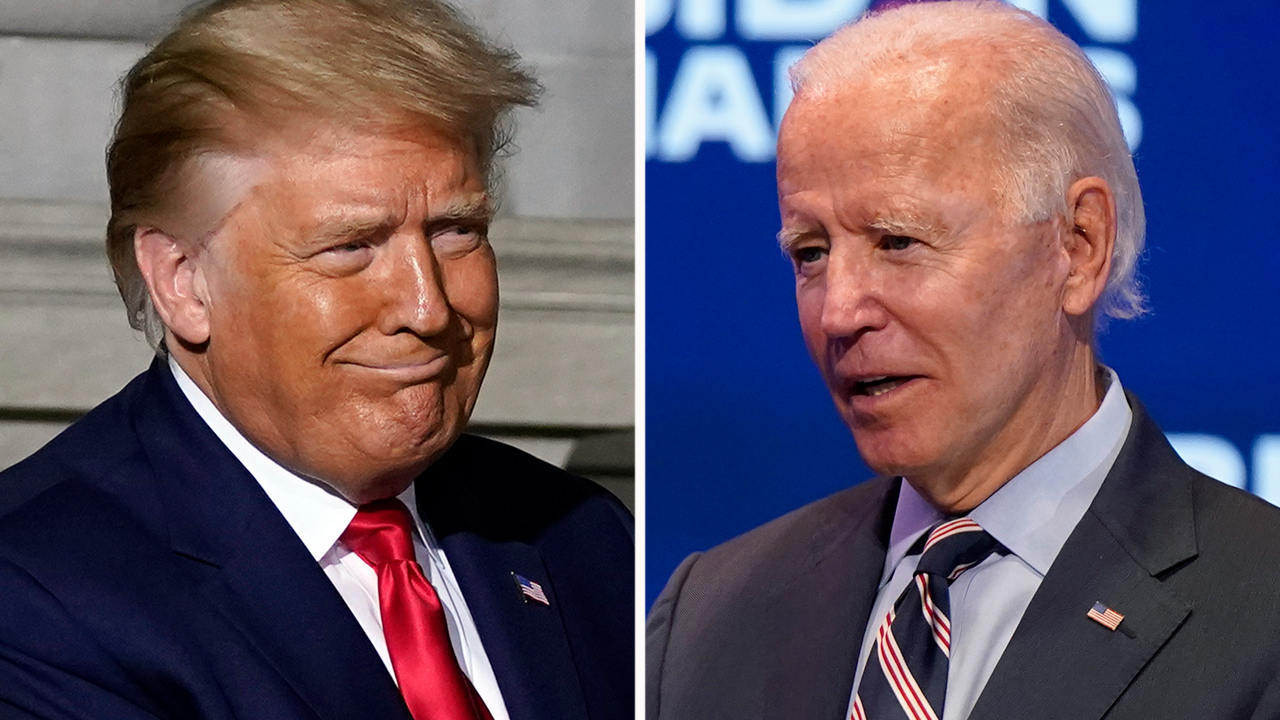
CBS NEWS: President Trump and former Vice President Joe Biden agree not to participate in next week’s debate.

CBS NEWS: President Trump and former Vice President Joe Biden agree not to participate in next week’s debate.