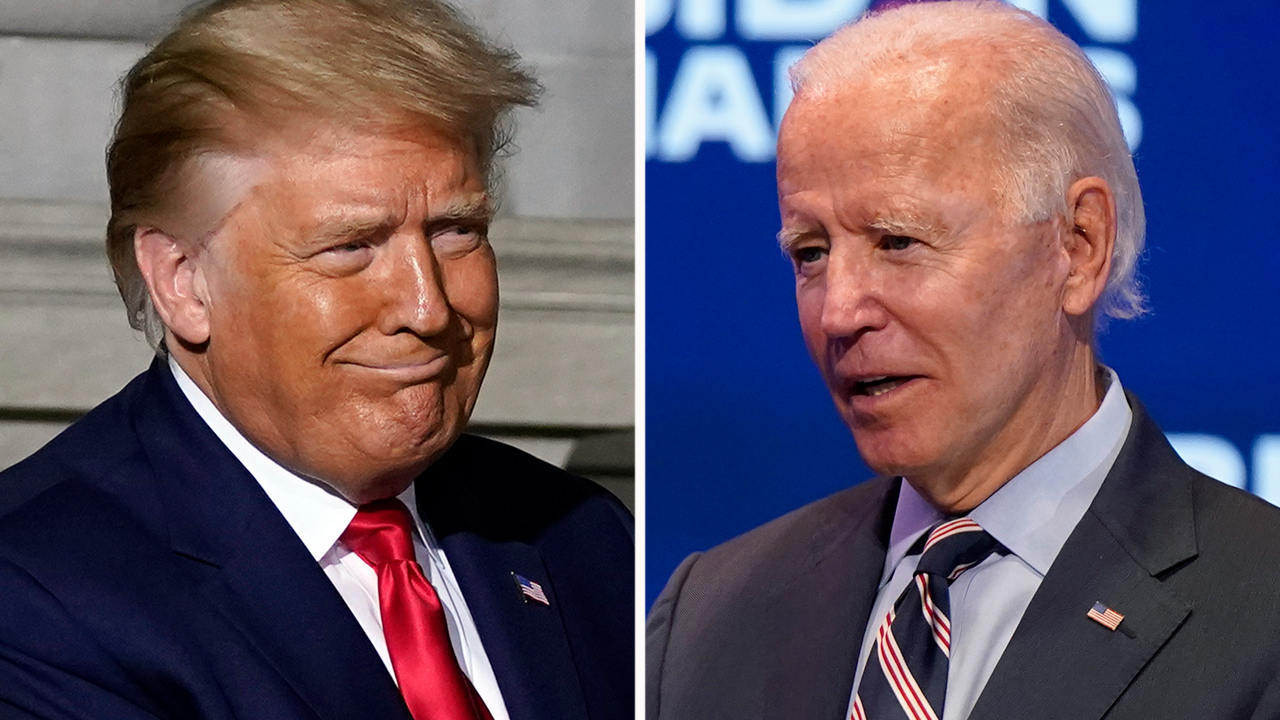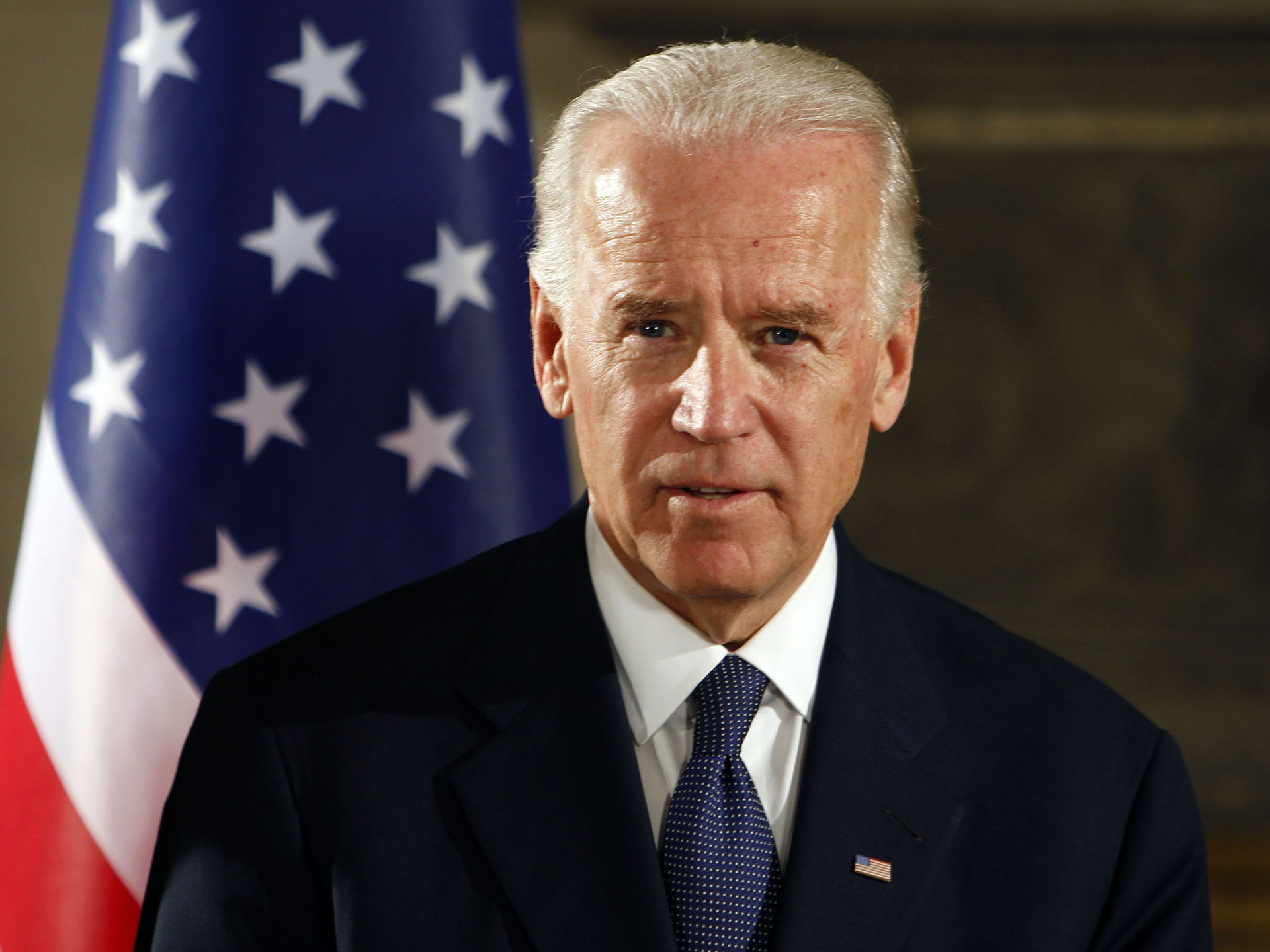
CBS NEWS: Biden wants debate moved to October 22nd

CBS NEWS: The following is a statement by Biden for President Deputy Campaign Manager and Communications Director Kate Bedingfield:

“Joe Biden will find an appropriate place to take questions from voters directly on October 15th, as he has done on several occasions in recent weeks. Given the President’s refusal to participate on October 15th, we hope the Debate Commission will move the Biden-Trump Town Hall to October 22nd, so that the President is not able to evade accountability.”
October 8, 2020 – Department of Health Report

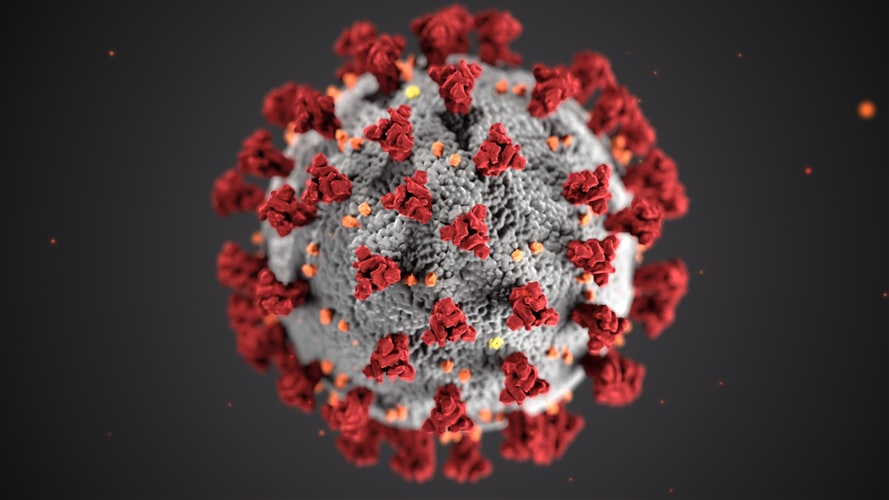
Twenty Four (24) new cases added Thursday in Lycoming County now at 795 cases and no new deaths, 26 total deaths, with 14,092 negatives according to DOH report.

Department of Health Provides Update on COVID-19,

1,376 Positives Bring Statewide Total to 167,928

Pennsylvanians Urged to Download COVID Alert PA App

Harrisburg, PA – The Pennsylvania Department of Health today confirmed as of 12:00 a.m., October 8, that there were 1,376 additional positive cases of COVID-19, bringing the statewide total to 167,928. All 67 counties in Pennsylvania have cases of COVID-19.

Allegheny is reporting an increase of 128 cases and Philadelphia is reporting an increase of 122 cases.

The number of tests administered within the last 7 days between October 1 and October 7 is 210,227 with 7,585 positive cases. There were 32,653 test results reported to the department through 10 p.m., October 7.

There are 8,299 total deaths attributed to COVID-19, an increase of 27 new deaths reported. County-specific information and a statewide map are available on the COVID-19 Data Dashboard.

“We know that congregation, especially in college and university settings, yields increased case counts. The mitigation efforts in place now are essential to flattening the curve and saving lives,” Secretary of Health Dr. Rachel Levine said. “Wearing a mask, practicing social distancing, and following the requirements set forth in the orders for bars and restaurants, gatherings, and telework will help keep our case counts low. Make your phone part of the fight against COVID-19 today by downloading the COVID Alert PA exposure notification app. Together, as Pennsylvanians, all of our efforts are designed to support our communities to ensure that cases of COVID-19 remain low.”

Mask-wearing is required in all businesses and whenever leaving home. Consistent mask-wearing is critical to preventing the spread of COVID-19.

There are 1,013 cases who have a positive viral antigen test and are considered probable cases and 646 patients who have a positive serology test and either COVID-19 symptoms or a high-risk exposure.

There are 1,985,103 patients who have tested negative to date. Of the patients who have tested positive to date the age breakdown is as follows:

  • Approximately 1% are ages 0-4;
  • Nearly 2% are ages 5-12;
  • Nearly 5% are ages 13-18;
  • Nearly 14% are ages 19-24;
  • Nearly 36% are ages 25-49;
  • Approximately 21% are ages 50-64; and
  • Approximately 22% are ages 65 or older.

Most of the patients hospitalized are ages 65 or older, and most of the deaths have occurred in patients 65 or older. More data is available here.

The department is seeing significant increases in the number of COVID-19 cases among younger age groups, particularly 19 to 24-year-olds. An alert was sent to healthcare providers about the changing COVID-19 case demographics, as there are more cases in younger age groups than in those 50-64 and 65+. The following regions saw significant increases among 19 to 24-year-olds in each month from April to present in October:

  • NC – Approximately 7 percent of cases in April to nearly 39 percent of cases so far in October;
  • SE – Nearly 5 percent of cases in April to 19 percent of cases so far in October;
  • NE – 6 percent of cases in April to approximately 20 percent of cases so far in October;
  • NW – Nearly 7 percent of cases in April to approximately 21 percent of cases so far in October;
  • SW – Approximately 5 percent of cases in April to nearly 13 percent of cases so far in October; and
  • SC – Approximately 7 percent of cases in April to approximately 12 percent of cases so far in October.

In nursing and personal care homes, there are 23,611 resident cases of COVID-19, and 5,229 cases among employees, for a total of 28,840 at 999 distinct facilities in 61 counties. Out of our total deaths, 5,528 have occurred in residents from nursing or personal care facilities. A county breakdown can be found here.

Approximately 11,160 of our total cases are among health care workers.

Currently, all 67 counties are in the green phase of reopening.

Statewide – The Wolf Administration has since noon, Oct. 7:

The Wolf Administration stresses the role Pennsylvanians play in helping to reduce the spread of COVID-19:

  • Wash your hands with soap and water for at least 20 seconds or use hand sanitizer if soap and water are not available.
  • Cover any coughs or sneezes with your elbow, not your hands.
  • Clean surfaces frequently.
  • Stay home to avoid spreading COVID-19, especially if you are unwell.
  • If you must go out, you are required to wear a mask when in a business or where it is difficult to maintain proper social distancing.
  • Download the COVID Alert PA app and make your phone part of the fight. The free app can be found in the Google Play Store and the Apple App Store by searching for “covid alert pa.

Updated Coronavirus Links: Press Releases, State Lab Photos, Graphics

All Pennsylvania residents are encouraged to sign up for AlertPA, a text notification system for health, weather, and other important alerts like COVID-19 updates from commonwealth agencies. Residents can sign up online at www.ready.pa.gov/BeInformed/Signup-For-Alerts.

Community and Economic Support, Investments, and Recovery Efforts Continue Amid Telework 

HARRISBURG – Today, Department of Community and Economic Development (DCED) Secretary Dennis Davin outlined efforts to ensure continued delivery of critical services to Pennsylvania’s communities and businesses amidst the COVID-19 pandemic.

The majority of DCED staff continue to work from home to ensure the health and safety of employees department-wide during mitigation efforts for COVID-19. During the pandemic, DCED staff distributed millions of dollars in grants and loans to businesses and communities, advanced personal protective equipment manufacturing and testing and vaccine development efforts, and more—all while continuing the usual day-to-day operations serving the commonwealth’s businesses and communities during the pandemic.

“DCED’s programs are vital lifelines to workers, business owners and communities during this pandemic. The ability for our employees to telework ensures that we can continue to deliver much-needed funding and services at a time when they are greatly needed,” said DCED Secretary Dennis Davin. “I am proud of our accomplishments and the commitment of our agency and the Wolf Administration to working together on behalf of all Pennsylvanians under the most unprecedented circumstances.”

Throughout the pandemic, state agencies have followed guidance issued by the Governor and Secretary of Health for businesses, including the recommendation for employees to telework, if possible. Approximately one-third of commonwealth employees are either teleworking full-time or splitting their time between telework and working onsite based on their job duties. The Office of Administration has also developed resources to support employees and supervisors while teleworking.

“The ability to work remotely is allowing thousands of commonwealth employees to continue to serve their fellow Pennsylvanians, provide for their families, and contribute to our state’s economy,” noted Secretary of Administration Michael Newsome. “Teleworking is a proven, common sense way to maintain productivity and protect public health.”

As part of the Wolf administration’s comprehensive response to the pandemic, DCED was tasked with the critical work of providing funding and resources to businesses and communities struggling with the impacts of the pandemic. The department developed three PPE manufacturing portals, helped distribute more than $324 million in funds for the Hospital Emergency Loan Program, distributed $50 million in Hazard Pay funding to frontline workers, $225 million to struggling small businesses, $60 million in low-interest loans through the COVID-19 Working Capital Access program, $625 million through the County Relief Block Grant program, $20 million to museums and cultural organizations, and $10 million in grants for the development of vaccines, therapies, and treatments.

Since the announcement of the governor’s mitigation efforts in March, DCED’s Customer Service department has received nearly 60,000 contacts, including emails, voicemails, and live calls, assisting individuals and business owners with questions and concerns. Staff from all areas of the department helped support the customer service team in responding to calls, allowing customer service to keep call lines fully operational while continuing to provide technical support to the 12 agencies that utilize the Electronic Single Application (ESA) system that manages state funding programs. The five-person customer service team expanded to a 95-person team at the height of response efforts. During the busiest response week, March 30-April 3, DCED averaged 1,650 live calls per day.

To date, DCED has assisted nearly 5,000 small businesses across all 67 counties, awarded hazard pay to 639 employers, supporting a $3 an hour increase in pay for 41,587 workers, and provided hundreds of millions of dollars in HELP funding to 31 hospitals.

The Office of International Business Development (OIBD) played a critical role in connecting the Department of General Services (DGS) and the Pennsylvania Emergency Management Agency (PEMA) to China to import personal protective equipment (PPE) and other needed medical products and equipment. OIBD has also secured PPE donations by working closely through partnerships in Taiwan, resulting in a humanitarian donation of more than 100,000 surgical masks for Pennsylvania with coverage of all shipping and customs’ clearance costs. Additionally, they assisted in the process for Up Chem—a successful investment project from China with an office in Montgomery County—to donate $100,000 worth of non-medical masks to the commonwealth.

The department’s Local Government Office remained actively engaged with residents who reached out with concerns regarding housing stability, providing information and referrals for those facing or being threatened with eviction or foreclosure, connecting the homeless population with services, and assisting shelters with the challenges of meeting critical social distancing requirements. Community and Housing Development (CHD) staff also released the annual Community Development Block Grant (CDBG) entitlement appropriations along with the first of two supplemental CDBG CARES appropriations and guidelines, funded $3 million in infrastructure investments in rural towns and villages, awarded $7.2 million in new affordable housing development and preservation activities through the HOME program, and reviewed and prioritized emergency solution grant requests with guidance on how to address the pandemic with a new $19 million in ESG CARES funds—all while launching an upgraded homeless management information system to help providers operate in the field.

In partnership with the Pennsylvania Restaurant and Lodging Association, DCED’s Office of Tourism issued guidance to support small businesses by visiting CarryoutPA to easily find dine-out options being offered by local restaurants. CarryoutPA offers the most accurate and up-to-date information about restaurant availability. Restaurants who offer take-out options and would like to participate can register here.

Additionally, the Governor’s Action Team has continued its efforts to help businesses relocate to or expand here in the commonwealth. Since the pandemic began, eight businesses have either expanded or relocated to Pennsylvania, creating more than 1,500 new, full-time jobs and resulting in more than $1.1 billion in capital investments.

The Office of Technology and Innovation worked with more than 100 Partnerships for Regional Economic Performance (PREP) partners, including local Economic Development Corporations, Small Business Development Centers, Local Development Districts, and Industrial Resource Centers to provide critical assistance services to businesses working to cover from the impacts of COVID-19. DCED’s 10 regional PREP partners analyzed data collected from a customer relationship management system to accurately evaluate short and long-term economic recovery needs of clients’ companies. Additionally, staff processed applications for Appalachian Regional Commission (ARC) funding to support economic development in Pennsylvania’s 52 Appalachian counties.

Since March, the department’s Financial Management Center (FMC) Quality Assurance and Operational Support team awarded, reviewed, and distributed contracts for the Census program; processed more than 385 state invoices; reviewed and processed more than 2,500 federal invoices, more than 825 financial status reports, more than 315 state contracts, amendments, and budget modifications; more than 745 federal contracts, amendments, and budget modifications; uploaded more than 1,675 contracts and amendments to the Office of the State Treasurer; and processed more than 950 live payments/checks.

The department also encouraged Pennsylvanians to support their neig,hbors with little acts of kindness during COVID-19 mitigation efforts. From a simple check-in call to a bulk grocery store haul, these acts are impactful and inspiring. To celebrate the efforts of individuals across the commonwealth, DCED has asked Pennsylvanians to share their acts of kindness on social media with the hashtag #143PA. The department noted that the 143 Kindness Tracker is available for Pennsylvanians looking for ideas and inspiration.

Finally, individuals practicing social distancing and staying home can “explore now and visit later” by virtually discovering statewide tourism experiences through DCED’s Pursue Your Hominess campaign. From outdoor activities to city life, this campaign showcases what Pennsylvania has to offer and shares how to plan for visits and trips when business and travel resume.

President Donald Trump says he won’t participate in next week’s debate if it’s virtual

CBS News Special Report: President Donald Trump says he won’t participate in next week’s debate with Democratic nominee Joe Biden if it’s virtual.

Debate organizers announced Thursday that the debate would be virtual because of Trump’s diagnosis of COVID-19.

Presidential Debate going virtual

FROM CBS NEWS: Statement from the Commission on Presidential Debates: Washington, D.C. (October 8, 2020)
In order to protect the health and safety of all involved with the second presidential debate, scheduled for October 15, 2020, The Commission on Presidential Debates (CPD) announced the following today:
The second presidential debate will take the form of a town meeting, in which the candidates would participate from separate remote locations. The town meeting participants and the moderator, Steve Scully, Senior Executive Producer & Political Editor, C-SPAN Networks, will be located at the Adrienne Arsht Center for the Performing Arts of Miami-Dade County in Miami, Florida.
The White House Pool will provide coverage of the second presidential debate.

Vice Presidential Debate coverage at 9 p.m. tonight

Join TalkWilliamsport.com for the only debate between between Democratic vice presidential nominee Sen. Kamala Harris and Vice President Mike Pence from Kingsbury Hall on the campus of the University of Utah in Salt Lake City.

The moderator for the vice presidential debate this evening is Susan Page, an American journalist and biographer, and the current Washington Bureau Chief for USA Today.

Coverage on the listen live stream begins at 9 p.m. tonight.

BREAKING NEWS: Gov. Wolf, Sec. Levine Amend Guidelines on Safe Gathering Limits

Pennsylvanians Must Wear Masks, Social Distance, Follow Established Local Restrictions

Harrisburg, PA – As Pennsylvanians continue to do their part by adopting healthy behaviors to combat the spread of COVID-19, today Governor Tom Wolf and Secretary of Health Dr. Rachel Levine amended existing COVID-19 orders to allow for adjusted capacity to gathering limits while keeping in place the proven mitigation tools that include wearing masks and maintaining social distancing.

“Pennsylvanians must continue to social distance and wear masks as we prepare to fight the virus through the fall and winter,” Gov. Wolf said. “Regardless of the size of an event or gathering, those things are still imperative to stopping the spread of COVID. We know everyone has sacrificed in many ways and today’s announcement reflects a gradual adjustment to our lives as we learn how we can do things safely until we have a cure, or an effective vaccine is widely available.”

“We will closely monitor cases and outbreaks and if our case investigation and contact tracing efforts determine that events or gatherings are the source of an outbreak, we can and will dial back these new limits,” Dr. Levine said. “Public health and safety are our first concern and will always remain as such.”

Starting on Friday, Oct. 9 amended orders will allow for venue occupancy limits to play a bigger role in determining the number of people permitted both inside and outside of events or gatherings. An event or gathering is defined as a temporary grouping of individuals for defined purposes that takes place over a limited timeframe, such as hours or days, including fairs, festivals, concerts, or shows and groupings that occur within larger, more permanent businesses, such as shows or performances within amusement parks, individual showings of movies, business meetings or conferences, or each party or reception within a multi-room venue.

Conversely, groups of people who share a space within a building in the ordinary course of operations, such as in an office building, classroom, production floor or similar regularly occurring operation of a business or organization, are not events or gatherings.

All businesses are required to conduct their operations remotely through individual teleworking of their employees in the jurisdiction or jurisdictions in which they do business unless that is not possible. In those instances, employees may conduct in-person business operations, provided that the businesses fully comply with the business safety order, the worker safety order, and the masking order.

The orders amend two sections of the July 15 mitigation orders and include a “maximum occupancy calculator” for both indoor and outdoor events. Based on a venue’s established occupancy limit as defined by the National Fire Protection Association (NFPA) Life Safety Code, venues apply the appropriate percent of occupancy to determine how many attendees are permitted to attend an event or gathering.

Here are the calculators:

Maximum Occupancy Calculator for indoor events:

Maximum Occupancy
Allowable Indoor Rate 
0-2,000 people
20% of Maximum Occupancy
2,001 – 10,000 people
15% of Maximum Occupancy
Over 10,000 people
10% of Maximum Occupancy up to 3,750 people

Maximum Occupancy Calculator for outdoor events:

Maximum Occupancy
Allowable Outdoor Rate 
0-2,000 people
25% of Maximum Occupancy
2,001 – 10,000 people
20% of Maximum Occupancy
Over 10,000 people
15% of Maximum Occupancy up to 7,500 people

Venues must require attendees to comply with 6-foot social distancing requirements, to wear masks or face coverings, and to implement best practices such as timed entry, multiple entry and exit points, multiple restrooms and hygiene stations. Venues and event planners can review the CDC Events and Gatherings Readiness and Planning Tool for additional information regarding best practices.

When not hosting events, occupancy restrictions outlined in the green phase of reopening continue to apply to businesses in the commonwealth.

Any gathering restrictions established by local authorities, such as the ones established in Philadelphia and State College, remain in effect.

View the governor’s amended order here.

View the secretary’s amended order here.

View FAQs about the amended orders on safe gatherings.

Pennsylvania’s Firearm Background Check System Experiences Record Volume in Third Quarter

 
Harrisburg, PA – The Pennsylvania State Police announced that the third quarter of 2020 was the busiest in the history of the Pennsylvania Instant Check System (PICS). The department also released the number of firearms purchase denials, subsequent investigations, and arrests resulting from such investigations for the period of July 1 through September 30, 2020.
Established in 1998, PICS is used by county sheriffs, chiefs of police of cities of the first class, and licensed firearms dealers in Pennsylvania to determine an individual’s legal ability to acquire a license to carry firearms or obtain a firearm through a purchase or transfer. In the third quarter of 2020, PICS completed a record 406,151 background checks. The highest total previously was 369,807, set in the first quarter of 2013.
“We began to see an increase of PICS activity in the first quarter as Pennsylvania and the rest of the country began learning about the COVID-19 pandemic, and that trend has continued,” said Captain Mark Shaver, director of the Pennsylvania State Police Bureau of Records and Identification.
The highest volume day in the history of PICS was November 24, 2017, when 9,178 checks were completed. The highest volume day in the third quarter of 2020 was July 23, with 7,120 completed PICS checks. The majority of background checks are completed in a matter of minutes without operator assistance.
Statistics for the third quarter of 2019 are included for comparison.
Third Quarter PICS Statistics
2019
2020
Total number of PICS checks conducted
225,214
406,151
     Number of persons denied
2,802
6,950
Total number of denials referred to law enforcement agencies
1,430
1,510
     Referred to Pennsylvania State Police
395
450
     Referred to Local Law Enforcement
1,018
1,032
     Referred to ATF
17
28
Number of individuals arrested for a warrant at point of purchase
21
93
When an individual provides false information on a state and/or federal form, an investigation is initiated, and an investigation referral is sent to the corresponding law enforcement agency.
In Pennsylvania, a person commits a felony of the third degree if they make a false oral or written statement on any federal or state agency form or willfully presents false identification that is likely to deceive a firearm seller, licensed dealer, or licensed manufacturer. During the PICS process, individuals may also be identified as having an active warrant for their arrest. Ninety-three people were taken into custody for a warrant at the point of purchase in the third quarter. From January 1 through September 30, 2020, 238 individuals have been arrested for warrants after attempting to purchase firearms.

DOH Adds Testing Site in Indiana County and Extends Site in Centre County in Effort to Contain Local Spread of COVID-19

Harrisburg, PA – Secretary of Health Dr. Rachel Levine today announced beginning Thursday, October 8, a testing clinic will be held at the Indiana Mall in Indiana County to help contain the recent rapid increase in COVID-19 cases. The department also is extending the testing site in Centre County through October 10.

“Since the beginning of September, we have seen an increase of 324 cases in Indiana County, which gives us significant cause for concern,” Dr. Levine said. “These testing sites will be open to anyone who feels they need a test. It is important that even people with no symptoms who test positive isolate and quarantine to stop the spread of COVID-19.”

The department has signed a contract with AMI Expeditionary Healthcare (AMI) to provide testing in communities in need across Pennsylvania. Already, AMI deployed to Centre and Columbia counties to perform community testing.

The department decides which counties to deploy testing based on the total number of confirmed cases in the last 14 days per 100,000 people as well as where outbreaks are happening, county population, and other metrics.

This week, Indiana has the tenth-highest percent-positivity at 5.9 percent. However, in previous weeks the percent-positivity for Indiana was above 10 percent. The department believes that increased testing in the county will assist in determining the prevalence of the virus and assist the county in moving forward. Other concerning counties, identified as those with percent positives above five percent, can be found on the Early Warning Monitoring Dashboard. Each county bears watching as the state continues to monitor all available data.

The schedule for testing is 7:00 AM to 6:00 PM on:

  • Thursday, October 8;
  • Friday, October 9;
  • Saturday, October 10;
  • Sunday, October 11; and
  • Monday, October 12.

The address for Indiana County testing is Indiana Mall, 2334 Oakland Ave, Indiana, PA, 15701.

Centre still has the highest percent-positivity at 9.4%. Therefore, AMI is extending testing in the county for another five days. The location will remain the Nittany Mall, 2901 E. College Avenue, State College, PA, 16801.

The schedule for testing is 7:00 AM to 6:00 PM on:

  • Tuesday, October 6;
  • Wednesday, October 7;
  • Thursday, October 8;
  • Friday, October 9; and
  • Saturday, October 10.

Up to 440 patients can be tested per day. Testing is on a first come, first serve basis and is at no cost to those being tested. Patients are not required to show symptoms of COVID-19 in order to be tested. No appointment is necessary, but patients should bring a photo-ID and insurance card. Registration will also be completed on-site. The turnaround time for testing results is two to seven days after testing.

Individuals who are tested should self-isolate while they await test results. For those individuals who live with other people, they should self-isolate in a private room and use a private bathroom if possible. Whoever else lives in the home with the individual awaiting test results should also stay at home. The department has additional instructions for individuals waiting for a COVID-19 test result.

For the latest information for individuals, families, businesses and schools, visit “Responding to COVID-19” on pa.gov.

The Wolf Administration stresses the role Pennsylvanians play in helping to reduce the spread of COVID-19:

  • Wash your hands with soap and water for at least 20 seconds or use hand sanitizer if soap and water are not available.
  • Cover any coughs or sneezes with your elbow, not your hands.
  • Clean surfaces frequently.
  • Stay home to avoid spreading COVID-19, especially if you are unwell.
  • If you must go out, you are required to wear a mask when in a business or where it is difficult to maintain proper social distancing.
  • Download the COVID Alert PA app and make your phone part of the fight. The free app can be found in the Google Play Store and the Apple App Store by searching for “covid alert pa.

Updated Coronavirus Links: Press Releases, State Lab Photos, Graphics

Governor Wolf Requests Major Disaster Declaration for Damages from Tropical Storm Isaias

Harrisburg, PA – Governor Tom Wolf today requested that the president declare a major disaster for nine counties in Pennsylvania in the wake of devastating flooding and damages caused by Tropical Storm Isaias in early August.

“My request today includes not only Public Assistance for government to pay for costs associated with its response and repairs, but also Individual Assistance for homeowners who need federal assistance to help them on their path to recovery,” said Governor Wolf. “The damage assessment and validation processes, which are for the first time being conducted virtually due to the pandemic, are ongoing and I have the option of adding other counties as we learn more.”

The governor’s request includes Berks, Bucks, Chester, Delaware, Lehigh, Monroe, Montgomery, Northampton and Philadelphia counties.

The major disaster declaration through the Federal Emergency Management Agency would provide federal funding to local, county and state governments, as well as certain eligible non-profits in those counties through the Public Assistance program. If the request is approved, applicants can be reimbursed up to 75 percent of the costs incurred on eligible expenses, such as but not limited to costs associated with paying overtime, repairs to damaged infrastructure, equipment rentals and materials.

In order to request Public Assistance, the commonwealth overall must meet a threshold of $19,688,687. Estimated costs associated with this incident period total more than $27.6 million. Meeting the threshold and making the request are not a guarantee of funding. It is not known when the president will make a decision to grant or deny disaster assistance.

An Individual Assistance declaration could make available to citizens a variety of programs to assist in their recovery needs. More detailed information is available on the FEMA website.