Wolf Admin. Reminds Pennsylvanians Experiencing Anxiety, Loneliness, Stress During the Holiday Season That They Are Not Alone, Encourages Active Duty Military and Veterans Needing Help to Use Support Resources and Networks

Harrisburg, PA – The Wolf Administration today shared resources for people struggling with anxiety, depression, loneliness, isolation, and other stressors this holiday season. The holidays can be both a time of joy and a period of stress for people, and people who are more likely to experience mental health challenges like active duty military, veterans and their loved ones may feel them more acutely because of the pandemic.

“This year has challenged all of us in many ways, and for individuals who are more likely to or currently deal with a mental health challenge like post-traumatic stress disorder or depression, the collective challenges we face may be felt more acutely,” said Department of Human Services (DHS) Secretary Teresa Miller. “The holiday season and our family traditions will look different this year, but we do not have to be cut off from our support networks entirely. No matter what you are feeling this year, please know that you do not have to endure it alone. Talk to your loved ones, talk to your support network, and don’t be afraid to make a call to resources that exist to help.”

According to the National Alliance on Mental Illness, nearly 1 in 4 active duty military personnel report some kind of mental health challenge, and the effects of post-traumatic stress disorder can continue throughout a veteran’s life even after retiring from service. Military spouses and children can also experience anxiety and depression due to the stress of being separated from their loved ones. Because of the additional strain created by COVID-19, the Wolf Administration is encouraging all active duty military, veterans, and their loved ones to pay special mind to their mental health and not endure anything they are feeling alone.

“The holiday season can be a stressful time for veterans who are already a vulnerable population due to their challenging service to our nation,” said Rick Hamp, special assistant to the deputy adjutant general for Veterans Affairs with the Pennsylvania Department of Military and Veterans Affairs. “Throw in the complications of COVID-19 and it is extremely important that Pennsylvania’s nearly 800,000 veterans are aware that they have access to programs and services that can help them with their physical and emotional needs. This collaboration among state agencies is an ideal way to raise awareness about the many state resources available to Pennsylvania’s veterans, and helps to improve or even save lives.”

Mental Health

People who experience feelings of anxiety or depression may experience more distress during the holiday season than during normal times. Given the challenges we are all currently facing, all Pennsylvanians should take extra care to be mindful of their mental health and tend to their overall health and wellness during this time. Check in with yourself, be honest to yourself and your support network about how you are feeling, and if you need someone to talk to or a little extra support, help is available.

DHS’ mental health support & referral helpline, Persevere PA, is available 24/7, including on holidays, and is a free resource staffed by skilled and compassionate counselors available to counsel Pennsylvanians struggling with anxiety and other challenging emotions. The helpline counselors refer callers to community-based resources that can further help to meet individual needs. Pennsylvanians can contact Persevere PA at 1-855-284-2494. For TTY, dial 724-631-5600.

If you or someone you love is in crisis, the National Suicide Prevention Lifeline is available by calling 1-800-273-8255. The hotline is staffed 24/7 by trained counselors who can offer free, confidential support. Spanish speakers who need immediate assistance can call 1-888-628-9454. Help can also be accessed through the Crisis Text Line by texting “PA” to 741-741.

The United States Departments of Veterans Affairs and Health and Human Services also operate a Veterans Crisis Line in conjunction with the National Suicide Prevention Lifeline. This free, confidential resource is available for veterans, active duty service members, active duty and reserve National Guard members, and family and friends of service members or veterans. The Veterans Crisis Line can be reached at 1-800-273-8255 or through text at 838255. A chat option is also available online at www.veteranscrisisline.net.

Substance Use Disorder

The holidays may also be difficult for individuals with a substance use disorder or people in recovery, especially if they become stressed by changes to their schedule or daily routine, are not able to see their support network in-person, have strained or no relationships with family members, or are faced with potential triggers. According to the Centers for Disease Control and Prevention, the most dangerous time of the year for substance use and alcohol-related deaths is around the holiday months.

“It is important for all of us to remember that as the COVID-19 pandemic continues to devastate the lives of our loved ones, the opioid epidemic hasn’t ended,” said Department of Drug and Alcohol (DDAP) Secretary Jen Smith. “We are still losing far too many Pennsylvanians in drug-related fatalities, and even more unfortunate is that many of these Pennsylvanians are veterans. I cannot stress enough that if you need substance use disorder services, help is available. There is absolutely no shame in seeking help to lead a happy, healthy life.”

The Department of Drug and Alcohol Programs also maintains a toll-free helpline that connects callers looking for treatment options for themselves or a loved one to resources in their community. You can reach the Get Help Now helpline at 1-800-662-HELP (4357). The helpline is available 24/7 – including on holidays. An anonymous chat service offering the same information to individuals who may not be comfortable speaking on the phone is also available at www.ddap.pa.gov.

Naloxone is still available to all Pennsylvanians through Secretary of Health Dr. Rachel Levine’s standing order, and carrying this on-hand at all times can be a life-saving action. The Wolf Administration encourages all Pennsylvanians to take advantage of the standing order to obtain Naloxone over the holidays. Learn more about how to obtain naloxone at www.pa.gov/opioids.
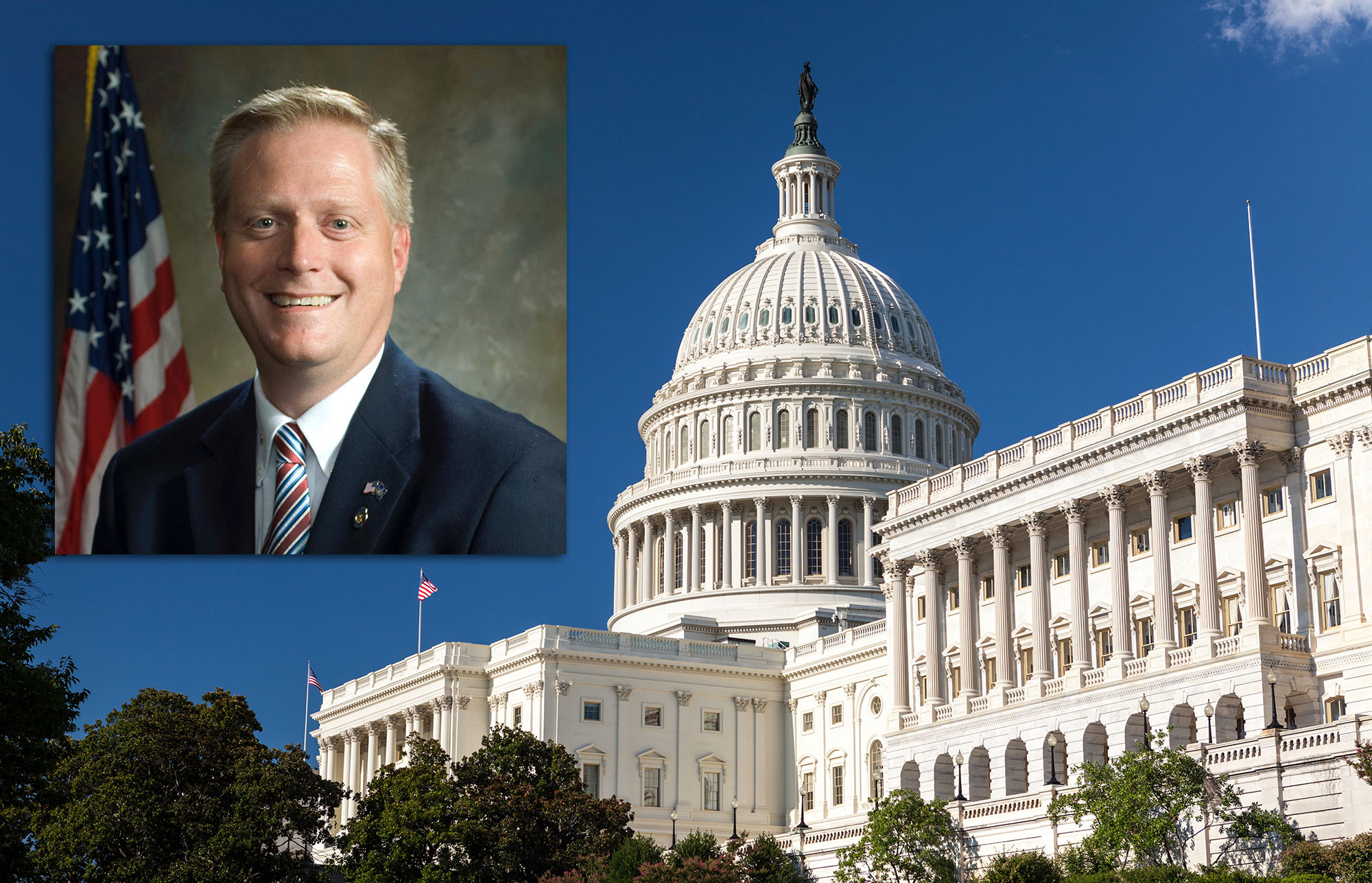
Congressman Keller announces childhood development grant for Bradford, Tioga counties

Washington, D.C. — Congressman Fred Keller (R-PA) today announced the U.S. Department of Health and Human Services (HHS) has awarded a grant to Bradford-Tioga Head Start.

A grant in the amount of $1,638,062 will be administered by HHS to support childhood education and development programs in northcentral Pennsylvania.

On the awarding of the grant, Congressman Fred Keller made the following statement:

“The programs offered by Head Start give local children essential opportunities to learn and grow while also supporting area families in need. Over the past 35 years, Bradford-Tioga Head Start has helped improve thousands of children’s lives right here in PA-12.

“I thank HHS for its continued support of these critical programs and applaud the outstanding work that the people of Bradford-Tioga Head Start do to educate our children, strengthen our families and better our community.”

December 1, 2020 – Department of Health Report

Forty three (43) new cases added Tuesday in Lycoming County now at 2,243 cases, no new deaths, 38 total deaths, with 19,210 negatives according to DOH report.

Department of Health Provides Update on COVID-19:

4,631 Patients Hospitalized and 970 Patients in the Intensive Care Unit

5,676 Additional Positive Cases of COVID-19

Harrisburg, PA – The Pennsylvania Department of Health today confirmed as of 12:00 a.m., December 1, that there were 5,676 additional positive cases of COVID-19, bringing the statewide total to 367,140.

There are 4,631 individuals hospitalized with COVID-19. Of that number, 970 patients are in the intensive care unit with COVID-19. Most of the patients hospitalized are ages 65 or older, and most of the deaths have occurred in patients 65 or older. More data is available here.

The trend in the 14-day moving average of number of hospitalized patients per day has increased by nearly 3,200 since the end of September.

Statewide percent positivity for the week of November 20 – November 26 stood at 11.7%.

The most accurate daily data is available on the website, with archived data also available.

The number of tests administered within the last 7 days between November 24 and November 30 is 375,888 with 32,853 positive cases. There were 38,752 test results reported to the department through 10 p.m., November 30.

As of 11:59 p.m. Monday, November 30, there were 180 new deaths reported for a total of 10,563 deaths attributed to COVID-19. County-specific information and a statewide map are available on the COVID-19 Data Dashboard.

Mask-wearing is required in all businesses and whenever leaving home. Consistent mask-wearing is critical to preventing the spread of COVID-19.

There are 17,770 individuals who have a positive viral antigen test and are considered probable cases and 642 individuals who have a positive serology test and either COVID-19 symptoms or a high-risk exposure.

There are 2,836,445 individuals who have tested negative to date. Of those who have tested positive to date the age breakdown is as follows:

  • Approximately 1% are ages 0-4;
  • Nearly 3% are ages 5-12;
  • Approximately 5% are ages 13-18;
  • Approximately 12% are ages 19-24;
  • Nearly 37% are ages 25-49;
  • Nearly 22% are ages 50-64; and
  • Nearly 20% are ages 65 or older.

The department has seen significant increases in the number of COVID-19 cases among younger age groups, particularly 19 to 24-year-olds. An alert was sent to healthcare providers about the changing COVID-19 case demographics. Increases among 19 to 24-year-olds from April through the end of November are available below:

  • NC – Approximately 7 percent of cases in April to approximately 14 percent of cases in November;
  • SE – Nearly 5 percent of cases in April to nearly 11 percent of cases in November;
  • NE – 6 percent of cases in April to nearly 13 percent of cases in November;
  • SW – Approximately 5 percent of cases in April to nearly 10 percent of cases in November;
  • NW – Nearly 7 percent of cases in April to approximately 10 percent of cases in November; and
  • SC – Approximately 7 percent of cases in April to approximately 8 percent of cases in November.

In nursing and personal care homes, there are 35,946 resident cases of COVID-19, and 6,752 cases among employees, for a total of 42,698 at 1,279 distinct facilities in 65 counties. Out of our total deaths, 6,507 have occurred in residents from nursing or personal care facilities. A county breakdown can be found here.

Approximately 14,655 of our total cases are among health care workers.
 

Statewide – The Wolf Administration has – since noon, Nov. 30:


The Wolf Administration stresses the role Pennsylvanians play in helping to reduce the spread of COVID-19:

  • Wash your hands with soap and water for at least 20 seconds or use hand sanitizer if soap and water are not available.
  • Cover any coughs or sneezes with your elbow, not your hands.
  • Clean surfaces frequently.
  • Stay home to avoid spreading COVID-19, especially if you are unwell.
  • If you must go out, you are required to wear a mask when in a business or where it is difficult to maintain proper social distancing.
  • Download the COVID Alert PA app and make your phone part of the fight. The free app can be found in the Google Play Store and the Apple App Store by searching for “covid alert pa”.

All Pennsylvania residents are encouraged to sign up for AlertPA, a text notification system for health, weather, and other important alerts like COVID-19 updates from commonwealth agencies. Residents can sign up online at www.ready.pa.gov/BeInformed/Signup-For-Alerts.

DOH Highlights Resources, Shares Ways to Support Pennsylvanians Living with Epilepsy

Harrisburg, PA – Secretary of Health Dr. Rachel Levine today highlighted resources for those diagnosed with epilepsy and shared ways to help someone cope with this medical condition, and aid someone experiencing a seizure.

“Epilepsy is a disorder of the nervous system that can cause unpredictable seizures and other health problems – it can affect anyone, at any age, at any time. Most people with epilepsy lead normal and happy lives, but can suffer from seizures without warning,” Dr. Levine said. “In Pennsylvania, more than 133,000 people are living with active seizures and 1 to 2 percent of all Pennsylvanians are affected by epilepsy. We are pleased to bring awareness to and share ways we can support our fellow Pennsylvanians who live with this medical condition.”

Seizures are the result of sudden, brief changes in the brain’s electrical balance.  When there are excess electrical charges in the brain, seizures occur. Seizures can alter awareness, physical movements, and consciousness or actions. They typically last a few seconds to a few minutes. However, seizures can last much longer or repeat without the individual able to recover in between.

Often seizures first develop during the pre-school and elementary school years. As this condition affects more than 3.4 million people across the country, nearly half a million of them are children.

While epilepsy is generally a chronic and/or lifelong condition, many people with epilepsy reduce the number of seizures they experience through the use of medications, special diets, or surgery. Some people find that certain things trigger their seizures, such as stress, anxiety, hormonal changes, or not getting enough sleep.

Seizures can happen anywhere at any time. If an individual begins to have a seizure in your presence, you can prevent or minimize injury that might occur as a result of the seizure by:

  • Staying calm and keeping track of the time;
  • Moving anything out of the way that might injure the person;
  • Gently rolling the person onto his or her side;
  • Putting something soft under his or her head;
  • Loosening anything tight around his or her neck;
  • Not putting anything into the person’s mouth;
  • Not trying to hold the person down or stop them from shaking; and
  • Checking for epilepsy or seizure disorder identification.

If the seizure lasts longer than five minutes, you should call for help. Remember, if you see someone having a seizure, you can help.  You can’t do anything to stop the seizure, but you may be able to prevent and/or minimize injury that might occur as a result of the seizure.

In central and western Pennsylvania, call the Epilepsy Association of Western and Central Pennsylvania at 800-361-5885. In eastern Pennsylvania, call the Epilepsy Foundation of Eastern Pennsylvania at 215-629-5003.

For more information on Epilepsy, please visit the department’s website.

Gov. Wolf Signs HB 770, Vetoes HB 21 and HB 1737

Harrisburg, Pa. – Today, Governor Tom Wolf signed into law House Bill 770, which updates requirements regarding the education, training and registration of pharmacy technicians and permits pharmacies and pharmacists in Pennsylvania to order and perform certain laboratory examinations and procedures.

The governor also vetoed House bills 21 and 1737.

House Bill 21 would have created a new license for home inspectors regulated by the State Board of Certified Real Estate Appraisers, separate and apart from the existing regulatory framework provided by Act 114 of 2000.

View the governor’s HB 21 veto message.

House Bill 1737 would have undermined COVID-19 mitigation efforts and endangered the public health by enacting overly broad immunity protections from civil liability due to the pandemic.

View the governor’s HB 1737 veto message.

DOH Nov. 15-21 Update on COVID-19 Investigations, Contact Tracing, Monitoring Efforts: Pennsylvanians Urged to “Answer the Call” and Download the COVID App

Harrisburg, PA – The Department of Health today shared its weekly update on Pennsylvania’s COVID-19 case investigation and contact tracing data and encouraged Pennsylvanians to download the COVID Alert PA app to aid in contact tracing efforts.

“As we complete case investigations, we see that residents are having more and more close contacts to report,” Secretary of Health Dr. Rachel Levine said. “We need to emphasize the importance of limiting your travels and gatherings and to continue to be alert as this virus remains a threat across our communities. Pennsylvanians are encouraged to wash their hands frequently, practice social distancing, wear a mask, avoid gatherings, and download the COVID Alert PA app on their phones to be notified if they came into contact with someone who later tested positive.”

Contact tracing is the process of identifying, notifying, and monitoring anyone who came in close contact with an individual who has COVID-19 while that individual was infectious. The contact tracing process is not possible without a case investigation by a public health professional. Case investigators make the initial call to those with positive COVID-19 test results spending 30 to 60 minutes asking questions to ensure all potential close contacts are identified.

Between Sunday, November 15 and Saturday, November 21, there were 44,525 COVID-19 cases statewide, an increase of 9,806 cases compared to the previous seven-day period. Case investigations are being prioritized to address those cases that present the highest likelihood of leading to an outbreak. Of the 44,525 newly reported cases, 17 percent of all cases had a case investigation started within 24 hours of receiving the positive report. Public health professionals will continue calling to complete the case investigation after the 24-hour period. An additional 4 percent of all cases had a case investigation started within 48 hours.

Although public health professionals may call to start the case investigation, not all cases to obtain additional information are successful. The Department of Health leaves voicemails, texts, and sends a letter to the home requesting a return call. There were 5,788 people, or 13 percent of cases, in this reported week that were successfully contacted by a public health professional statewide.

After the initial case investigation is complete, contact tracing begins. Within the same time period of November 15 to November 21, there were 1,647 contact tracing staff working with local and county health entities, partner organizations and the Regional Response Health Collaboration Program within the Department of Human Services as well as volunteers from Co-County Wellness in Berks County and Penn Medicine Lancaster General Health. These staff monitored 11,328 contacts who were identified during the case investigations.

Currently, all of the allotted 1,000 people have been hired through Insight Global. Some of these contact tracers have been promoted to perform case investigations to meet the immediate needs of increased caseloads. There are 40 supervisors, 12 regional field managers and coordinators, and 10 care coordinators who will help to refer Pennsylvanians to services during quarantine across the commonwealth.

Since the implementation of the Contact Tracing Management System in early October through November 21 in those areas of the state where Pennsylvania Department of Health is responsible for contact tracing, there have been:

  • 44,000 contacts have been processed for areas where PA DOH has jurisdiction;
  • 33,900 people, or 76 percent of the total contacts identified, have been effectively reached to communicate their quarantine status and offer ongoing symptom monitoring;
  • 8,500 people, or about 19 percent of the total contacts, were not reached; and
  • 1,100 were still in the process of being contacted.

On September 22, the department launched COVID Alert PA, a free mobile app that uses Bluetooth technology to let a person know that they have been exposed to COVID-19 without compromising the identity or location of either the person using the app, or of the person to whom they may have been exposed. There have been over 622,000 downloads thus far.

In addition to the traditional case investigations and contact tracing process, there have been 326 cases that confirmed their positivity and uploaded their random ID’s through the app. These uploads generated 144 exposure alerts to persons who have downloaded the app on their phones and who were in close contact (six feet for 15 minutes or more) to the case. Of those who received the alerts, 21 individuals requested a call back for further assistance from a trained contact tracer.

As the contact tracing program expands, the Department of Health continues to work in partnership with over 150 organizations, in addition to the county and municipal health departments, through regional partnerships to help gather and answer questions, identify problems and find solutions to improve contact tracing efforts within the region. Each regional partnership has met at least once, and includes public health staff, health providers, academic institutions, community organizations, and other stakeholders interested in helping to coordinate and engage around contact tracing efforts.

Organizations and entities interested in partnering in these efforts should reach out to RA-DHCONTACTTRACING@pa.gov.

You can find more information on the state’s contact tracing efforts at the Department of Health’s website here.

The Wolf Administration stresses the role Pennsylvanians play in helping to reduce the spread of COVID-19:

  • Wash your hands with soap and water for at least 20 seconds or use hand sanitizer if soap and water are not available.
  • Cover any coughs or sneezes with your elbow, not your hands.
  • Clean surfaces frequently.
  • Stay home to avoid spreading COVID-19, especially if you are unwell.
  • If you must go out, you are required to wear a mask when in a business or where it is difficult to maintain proper social distancing.
  • Download the COVID Alert PA app and make your phone part of the fight. The free app can be found in the Google Play Store and the Apple App Store by searching for “covid alert pa”.

State Police Bureau of Liquor Control Enforcement November 27-29: 314 Compliance Checks; 10 Notices of Violation

 
Harrisburg, PA – Pennsylvania State Police Liquor Control Enforcement Officers visited 314 licensed liquor establishments from Friday, November 27 through Sunday, November 29 to ensure businesses are abiding by COVID-19 mitigation requirements that include social distancing, masking, and other health and safety requirements of the liquor code.
Liquor Control Enforcement Officers issued 10 notices of violation and 22 warnings for failing to follow COVID-19 requirements. As mandated by the liquor code, a notice of violation precedes the issuance of an administrative citation, which is civil in nature, and is intended to provide licensed liquor establishments notification of the nature of violation(s) discovered. The investigation remains open during this period, pending review by the Pennsylvania State Police Bureau of Liquor Control Enforcement (BLCE). Because the investigation is ongoing, names of establishments issued a notice of violation will not be released at this time. Each BLCE district office posts a monthly public information release that includes details on citations issued by that office.
Compliance checks are unannounced and can occur anywhere in the commonwealth, although the focus is on areas experiencing higher coronavirus transmission rates. Among other requirements, all businesses and employees in the restaurant and retail food service industry authorized to conduct in-person activities are mandated to:
  • Require all customers to wear masks while entering, exiting or otherwise traveling throughout the restaurant or retail food service business (face masks may be removed while seated). Further, employees are required to wear masks at all times.
  • Provide at least six feet between parties at tables or physical barriers between customers where booths are arranged back to back.
  • Ensure maximum occupancy limits for indoor and outdoor areas are posted and enforced.
Bureau of Liquor Control Enforcement | November 27-29, 2020
​TOTAL LICENSEE CHECKS
WARNINGS RELATED TO COVID-19 MITIGATION EFFORTS
NOTICES OF VIOLATION RELATED TO COVID-19 MITIGATION EFFORTS
1-Philadelphia
​109
1
0
2-Wilkes-Barre
43
1
3
3-Harrisburg
30
5
1
4-Pittsburgh
28
1
1
5-Altoona
15
0
0
6-Williamsport
20
2
0
7-Punxsutawney
16
2
4
8-Erie
4
1
0
9-Allentown
49
9
1
TOTALS
314
22
10
Violators may face administrative citation by the Pennsylvania State Police Bureau of Liquor Control Enforcement. Continued violations put an establishment’s liquor license at risk, either through the citation process or upon application for renewal. More information is available on the enforcement page of the state police COVID-19 portal.
Complaints regarding licensees not complying with COVID-19 mitigation mandates may be directed to the BLCE at 1-800-932-0602 or reported through the BLCE’s online complaint form.

Pennsylvania COVID-19 Early Warning Monitoring Dashboard Update for Nov. 20 – Nov. 26: Case Increases Top 41,000; Percent Positivity at 11.7% and 66 Counties with Substantial Transmission

Harrisburg, PA – Governor Tom Wolf and Secretary of Health Dr. Rachel Levine today released a weekly status update detailing the state’s mitigation efforts based on the COVID-19 Early Warning Monitoring System Dashboard, highlighting a seven-day case increase of 41,424 cases, statewide percent positivity of 11.7%, and 66 of 67 counties with substantial transmission status.

The update includes the following:

  • Level of community transmission as a basis for the recommendations for Pre-K to 12 schools to determine instructional models.
  • Data on cases among 5-18-year-olds.
  • Cases that reported visiting a business among potential locations where exposures may have occurred.
  • Updated travel recommendations.

The dashboard is designed to provide early warning signs of factors that affect the state’s mitigation efforts. The data available on the early warning monitoring dashboard includes week-over-week case differences, incidence rates, test percent-positivity, and rates of hospitalizations, ventilations and emergency room visits tied to COVID-19. This week’s update compares the period of November 20 – November 26 to the previous seven days, November 13 – November 19.

“Pennsylvania continues to trend in the wrong direction as COVID-19 continues to spread,” Gov. Wolf said. “Last week, we took a number of mitigation steps designed to reverse this trend and help protect Pennsylvanians. We need all Pennsylvanians to follow these measures as part of their collective responsibility to protect one another. I remain convinced that by working together Pennsylvanians can stop the spread of this virus.”

As of Thursday, November 26, the state has seen a seven-day case increase of 41,424 cases; the previous seven-day increase was 37,380 cases, indicating 4,044 more new cases across the state over the past week compared to the previous week.

The statewide percent-positivity went up to 11.7% from 11.1% last week. Every county in the state has a concerning percent positivity above five percent except for one county, Forest County at 3.6 percent. This includes five counties (Juniata, Mifflin, Bedford, Somerset and Tioga) with percent positivity above 20 percent.

“This week’s data, and the one week change in the rate of hospitalizations and ventilator use is a reminder to us all of our role in protecting our health care system,” Secretary of Health Dr. Rachel Levine said. “Latest models continue to indicate very concerning trends for our hospital availability and ICU bed availability. We know COVID-19 does not discriminate and is affecting every county in the commonwealth. It is affecting all Pennsylvanians, no matter your race, ethnicity, age, socioeconomic status or whether you live a rural, suburban or urban area.”

Community Transmission

As of Friday’s data, Adams, Allegheny, Armstrong, Beaver, Bedford, Berks, Blair, Bradford, Bucks, Butler, Cambria, Carbon, Centre, Chester, Clarion, Clearfield, Clinton, Columbia, Crawford, Cumberland, Dauphin, Delaware, Elk, Erie, Fayette, Forest, Franklin, Fulton, Greene, Huntingdon, Indiana, Jefferson, Juniata, Lackawanna, Lancaster, Lawrence, Lebanon, Lehigh, Luzerne, Lycoming, McKean, Mercer, Mifflin, Monroe, Montgomery, Montour, Northampton, Northumberland, Perry, Philadelphia, Pike, Potter, Schuylkill, Snyder, Somerset, Sullivan, Susquehanna, Tioga, Union, Venango, Warren, Washington, Wayne, Westmoreland, Wyoming, and York counties were in the substantial level of community transmission.

For the week ending November 26, one county was in the low level of transmission and 66 counties were in the substantial level of transmission: Cameron.

Cases Among 5-18-Year-Olds
The Department of Health is providing weekly data on the number of statewide cases of COVID-19 among 5 to 18-year-olds.

Throughout the pandemic, there have been 27,954 total cases of COVID-19 among 5 to 18-year-olds. Of that total, 4,212 occurred between November 20 – November 26. For the week of November 13 – November 19, there were 3,937 cases of COVID-19 among 5 to 18-year-olds.

Cases by demographic group is available on the DOH website.

Business Visits
The Department of Health is providing weekly data on the number of individuals who responded to case investigators that they spent time at business establishments (restaurants, bars, gym/fitness centers, salon/barbershops) and at mass gatherings 14 days prior to the onset of COVID-19 symptoms.

It is important to note that due to the recent number of cases, the department is prioritizing case investigations. In addition to the need for people to answer the call, the significant number of cases helps contribute to the low percentages in contact tracing data. All of this reinforces the need for Pennsylvanians to take steps to prevent the spread of COVID-19.

Of the 44,525 confirmed cases reported between November 15 and November 21, 7 percent (3,038) provided an answer to the question as to whether they spent time at a business establishment.

Of those who did provide an answer, 0.9 percent, or 392, answered yes, they visited a business establishment 14 days prior to onset of symptoms:

  • 51 percent (200) of those who said yes reported going to a restaurant;
  • 24.5 percent (96) of those who said yes reported going to some other business establishment;
  • 15 percent (60) of those who said yes reported going to a bar;
  • 10 percent (39) of those who said yes reported going to a gym/fitness center; and
  • 8 percent (31) of those who said yes reported going to a salon/barbershop.

Of the 44,525 confirmed cases, 6.9 percent (3,063) answered the question as to whether they attended a mass gathering or other large event. Of the 6.9 percent, 13 percent (398) answered yes to whether they attended a mass gathering or other large event 14 days prior to onset of symptoms.

Compared to data reported on November 23, this week’s data indicated an increase for people who reported going to a restaurant (51 percent vs. 48 percent last week), going to a salon/barbershop (8 percent vs. 7 percent last week), and slight increases for those going to some other business (24.5 percent vs. 24 percent last week) and going to a bar (15.3 percent vs. 15 percent last week). The data saw a decrease for people who reported going to a gym/fitness center (10 percent vs. 14 percent last week). The number of those who attended a mass gathering or other large event decreased to 13 percent from 16.3 percent last week.

The numbers above highlight business settings and mass gatherings as possible sites for transmission. With less than half of those asked about what types of businesses they visited or if they attended a mass gathering responding to the question, the department is reminding Pennsylvanians that it is essential that people answer the phone when case investigators call and to provide full and complete information to these clinical professionals.

Travel Recommendations
This week, the Department of Health provided an updated travel order requiring anyone over the age of 11 who visits from another state to provide evidence of a negative COVID-19 test or place themselves in a travel quarantine for 14 days upon entering Pennsylvania.

This order, which took effect on Wednesday, November 25, does not apply to people who commute to and from another state for work or medical treatment, those who left the state for less than 24 hours, and those complying with a court order, including child custody.

It is important that people understand that this Order is in place to prevent the spread of COVID-19 in Pennsylvania. A concerning number of recent cases have been linked to travel, and if people are going to travel, we need them to take steps to protect themselves, their loved ones and their community, and that involves having either a negative test, or placing themselves in a travel quarantine.

Gov. Wolf continues to prioritize the health and safety of all Pennsylvanians through the COVID-19 pandemic. Pennsylvanians should continue to take actions to prevent the spread of COVID-19, regardless of in what county they live. This includes wearing a mask or face covering anytime they are in public. COVID-19 has been shown to spread easily in the air and contagious carriers can be asymptomatic.

Wolf Admin. Awards $3 Million in Funding to Protect Pennsylvanians Experiencing Homelessness This Winter  

Harrisburg, PA – Today, Governor Tom Wolf announced that $3 million in grant funding has been awarded to 15 municipalities and organizations spanning 20 counties to assist Pennsylvanians currently experiencing homelessness.

“All Pennsylvanians are entitled to safe shelter, and that is never more important than in the cold winter months,” said Gov. Wolf. “This funding will help ensure that our communities can safeguard the health of all residents and protect them from the elements while working to mitigate the spread of COVID-19 in the commonwealth.” 

The commonwealth recently received its second allocation of Emergency Solutions Grant funding from the CARES Act (ESG-CV) funds, and the Department of Community and Economic Development (DCED) set aside a portion of those funds to create the ESG-CV Code Blue program, which helps provide emergency shelter in preparation for the winter months.

Under the program, funding will be provided for emergency shelter and temporary emergency shelter to expand shelter for those experiencing homelessness in the wake of the coronavirus pandemic. The funds will be used to assist homeless providers and communities prepare for, prevent the spread of and respond to the coronavirus by providing emergency shelter, targeted street outreach, and temporary emergency shelter for individuals experiencing homelessness this winter.

A full list of awardees can be found here.

Nearly $102,000 has been awarded for street outreach, more than $2 million for emergency shelter, more than $775,000 for temporary emergency shelter, and the remainder of the funds will be used for administration and the Homeless Information Management System.

Another request for proposals to award the remaining $16.9 million of ESG-CV funds available, which will include all eligible ESG-CV activities, will be released in the beginning of 2021.

Assistance is also available for individuals until April 9, 2021 through the Low-Income Home Energy Assistance Program (LIHEAP). LIHEAP provides assistance for home heating bills so low-income Pennsylvanians can stay warm and safe during the winter months. Assistance is available for renters and homeowners. Pennsylvanians can apply for LIHEAP and other public assistance programs online at www.compass.state.pa.us.

Pennsylvanians Age 13 and Older Can Add Their Phone to the Fight

Harrisburg, PA – Secretary of Health Dr. Rachel Levine and Acting Secretary of Education Noe Ortega today announced that, with parental or guardian permission, Pennsylvanians age 13 to 17 can now add their phone to the fight and download the COVID Alert PA app to help stop the spread of COVID-19.

“While the app has been available to Pennsylvanians 18 and older, we wanted to ensure more residents had access to these resources and can be notified if exposed to COVID-19,” Dr. Levine said. “By expanding the age range, we can hopefully increase the number of individuals who download the app, increasing its effectiveness to help control the spread of this dangerous virus, especially in school settings. I encourage everyone to download COVID Alert PA and answer the call to wash your hands, social distance, and wear a mask so we can unite together against COVID-19.”

“The Pennsylvania Department of Education is issuing a call to action to all youth in our commonwealth: We urge you to download the free COVID Alert PA app to help slow the spread of COVID-19,” said Acting Secretary of Education Noe Ortega. “Help keep yourself, your families, and your communities safe by utilizing your phone in the fight against the spread of this disease.”

COVID Alert PA is a free and voluntary mobile app developed by the Pennsylvania Department of Health in partnership with NearForm, University of Pennsylvania and MIT Lincoln Laboratory using Apple and Google’s Exposure Notification System. The app’s features include an interactive COVID-19 symptom check-in, alerts for potential exposures to the virus, updates on the latest public health data about COVID-19 in PA and public health guidance for what to do if you have a potential exposure to COVID-19.

In this new update, the Department of Health will share further data resources on the app to provide the most up to date COVID-19 county case counts and hospitalizations. The update will also include an information hub, where residents learn more about contact tracing, app compatibility with other states, and where to find a testing location and other assistance and benefits.

We encourage you to download the app so if you test positive for COVID-19, you can then enter a unique six-digit code given to you by a case investigator. This will allow individuals you may have encountered in proximity and who have the app know that they have been exposed to COVID-19. They can then take important steps to protect themselves and others such as getting tested or quarantining. Most importantly, this will help cut the chain of COVID-19 transmission.

The app is also designed to ensure privacy of the user. It does not use GPS, location services or any movement or geographical information. It will never collect, transmit or store personal information. It is completely anonymous.

The app does collect user statistics such as the number of downloads or the symptom check-in demographics that people can voluntarily share. Since the launch on September 22, we know:

  • There have been 622,000 downloads onto smartphone devices.
  • There were 326 positive cases who confirmed their positivity through the app, which generated 144 close-contact exposure alerts.
  • Of those who received an exposure alert, 21 requested a call-back to speak with a trained contact tracer for further support.

Download the COVID Alert PA app and make your phone part of the fight. The free app can be found in the Google Play Store and the Apple App Store by searching for “covid alert pa.”

The Wolf Administration stresses the role Pennsylvanians play in helping to reduce the spread of COVID-19:

  • Wash your hands with soap and water for at least 20 seconds or use hand sanitizer if soap and water are not available.
  • Cover any coughs or sneezes with your elbow, not your hands.
  • Clean surfaces frequently.
  • Stay home to avoid spreading COVID-19, especially if you are unwell.
  • If you must go out, you are required to wear a mask when in a business or where it is difficult to maintain proper social distancing.
  • Download the COVID Alert PA app and make your phone part of the fight. The free app can be found in the Google Play Store and the Apple App Store by searching for “covid alert pa”.

All Pennsylvania residents are encouraged to sign up for AlertPA, a text notification system for health, weather, and other important alerts like COVID-19 updates from commonwealth agencies. Residents can sign up online at www.ready.pa.gov/BeInformed/Signup-For-Alerts.