Congressman Keller applauds President Trump’s focus on accreditation in law enforcement Executive Order

Accreditation and best practices have been common suggestions for improvement in

Keller’s law enforcement listening sessions

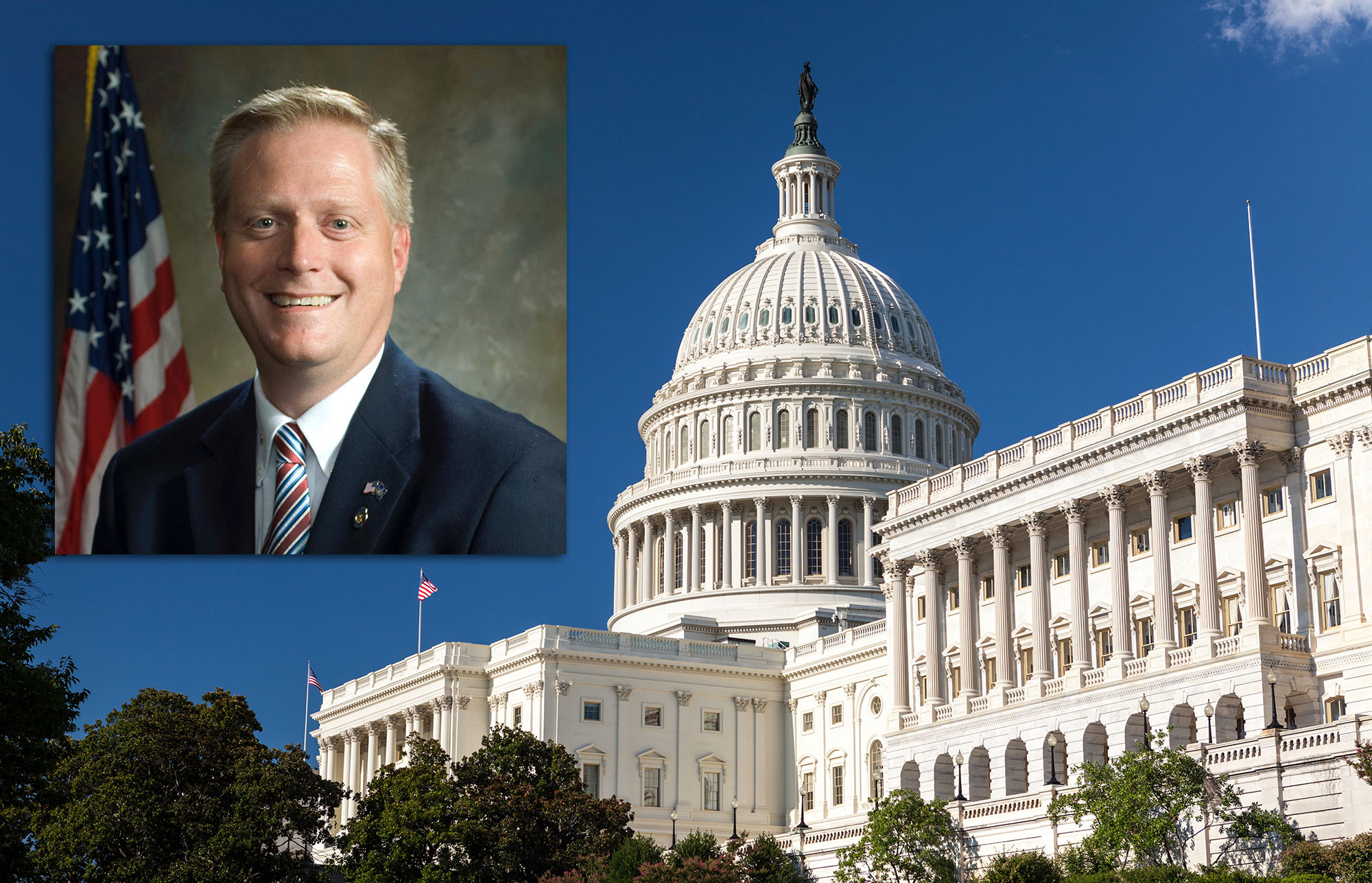
Washington, D.C. – Congressman Fred Keller (R-PA) on Tuesday applauded President Donald Trump’s Executive Order’s focus on implementing accreditation and best practices among law enforcement agencies.

The Executive Order signed Tuesday afternoon focuses on credentialing and certification of officers and departments, information sharing so that bad police officers can be held accountable, and incentivizing co-responder programs to add a non-law enforcement component to some emergency situations.

The credentialing and certification component has been a common theme of discussion in Congressman Keller’s law enforcement roundtable listening sessions in Pennsylvania’s 12th Congressional District. Last Thursday, the Sunbury Police Department discussed their work with accreditation and noted that it allows general guidelines and the implementation of best practices to fit local particularities.

On the Executive Order, Congressman Fred Keller (R-PA) made the following statement:

“As Congress moves forward with considering law enforcement improvement legislation that focuses on use of force guidelines and de-escalation procedures, I hope to see accreditation provisions that allow for local police departments to implement best practices in a way that fits their individual communities. I applaud President Trump for making this a focus of the Executive Order he signed today.

“We have heard from law enforcement agencies that national police standards that take a one-size-fits-all approach are simply unreasonable. While Republicans and Democrats in Congress continue to discuss law enforcement improvement legislation, I will work to make sure our police have the tools, training, transparency, and accountability needed to provide law and order while ensuring equal justice for all.”

Gov. Wolf Announces $40 Million in CARES Act Funding Available to Address Dairy Industry Relief, Food Security

Harrisburg, PA – Governor Wolf announced today the availability of $40 million in funding through the federal Coronavirus Aid, Relief, and Economic Security (CARES) Act to support Pennsylvania’s dairy industry and food security programs, following months of uncertainty and loss from the COVID-19 pandemic.

“Pennsylvania’s agricultural industry represents the very best of who we are – something that’s been seen since the very beginning of our COVID-19 mitigation efforts,” Gov. Wolf said. “That’s why it’s critical that we open these programs to support Pennsylvania’s farmers today. This CARES funding is going to an industry that gives back every day to ensure that Pennsylvanians have access to fresh food.”

“I’m extremely proud of our agricultural industry, which was hit with the most drastic market changes, yet they continued to show up for their communities,” said Department of Agriculture Secretary Russell Redding. “The industry understands that hunger should not be our next pandemic and took action. I’m grateful that the governor is ensuring that our farmers, and in particular our dairy farmers, receive much needed financial support.”

Specifically, $15 million will provide an opportunity for dairy farmers to receive direct relief payments and $5 million will reimburse dairy farmers who participate in the Pennsylvania Agricultural Surplus System (PASS) program by donating excess dairy product to the commonwealth’s charitable food system.

Any dairy farm that experienced financial losses due to discarded or displaced milk during the COVID-19 emergency disaster may apply for assistance. Each farm with a documented loss will receive a minimum of $1,500 and an additional prorated share of the remaining funds, not to exceed the actual amount assessed by the handler. The deadline to apply for the Dairy Indemnity Program is September 30, 2020.

Also, $15 million will go to the State Food Purchase Program, which provides cash grants to counties for the purchase and distribution of food to low income individuals, and $5 million will go to the PASS program to reimburse the agricultural industry for the costs involved in harvesting, processing, packaging and transporting food that they donate to the charitable food system. The PASS program helps to support Pennsylvania’s agriculture industry in all 67 counties and reduce waste of agricultural surplus by making connections between production agriculture and the non-profit sector.

Throughout the COVID-19 public health crisis, the Wolf Administration has comprehensively addressed food security across multiple agencies to ensure that all Pennsylvanians have access to food.

For information as it relates to agriculture during COVID-19 mitigation in Pennsylvania visit agriculture.pa.gov/COVID. For the most accurate, timely information related to Health in Pennsylvania, visit on.pa.gov/coronavirus.

One new COVID-19 case Tuesday in Lycoming County now at 172 cases and 17 deaths according to DOH report

Department of Health Provides Update on COVID-19,

362 Positives Bring Statewide Total to 79,483

Harrisburg, PA – The Pennsylvania Department of Health today confirmed as of 12:00 a.m., June 16, that there are 362 additional positive cases of COVID-19, bringing the statewide total to 79,483. All 67 counties in Pennsylvania have cases of COVID-19.

There are 6,276 total deaths attributed to COVID-19, an increase of 33 new deaths. County-specific information and a statewide map are available here.

“With more than half of the state now in the green phase of the process to reopen, it is essential that we continue to take precautions to protect against COVID-19,” Secretary of Health Dr. Rachel Levine said. “The commonwealth’s careful, measured approach to reopening is working as we see case counts continue to decline even as many other states see increases. But the virus has not gone away. Each of us has a responsibility to continue to protect ourselves, our loved ones and others by wearing a mask, maintaining social distancing and washing our hands frequently. Together we can protect our most vulnerable Pennsylvanians, our essential workers and our healthcare system.”

There are 630 patients who have a positive serology test and either COVID-19 symptoms or a high-risk exposure, which are considered probable cases and not confirmed cases. There are 523,609 patients who have tested negative to date. Of the patients who have tested positive to date the age breakdown is as follows:

  • Nearly 1% are ages 0-4;
  • Nearly 1% are ages 5-12;
  • Nearly 2% are ages 13-18;
  • 6% are ages 19-24;
  • Nearly 37% are ages 25-49;
  • Nearly 25% are ages 50-64; and
  • 28% are ages 65 or older.

Most of the patients hospitalized are ages 65 or older, and most of the deaths have occurred in patients 65 or older. More data is available here.

In nursing and personal care homes, there are 16,720 resident cases of COVID-19, and 2,955 cases among employees, for a total of 19,675 at 650 distinct facilities in 47 counties. Out of our total deaths, 4,279 have occurred in residents from nursing or personal care facilities. A county breakdown can be found here.

Approximately 6,033 of our total cases are in health care workers.

For the latest information for individuals, families, businesses and schools, visit “Responding to COVID-19” on pa.gov.

Currently, all 67 counties are in the yellow or green phase of reopening.

Statewide – The Wolf Administration has since noon, June 15:

The Wolf Administration stresses the role Pennsylvanians play in helping to reduce the spread of COVID-19:

  • Wash your hands with soap and water for at least 20 seconds or use hand sanitizer if soap and water are not available.
  • Cover any coughs or sneezes with your elbow, not your hands.
  • Clean surfaces frequently.
  • Stay home to avoid spreading COVID-19, especially if you are unwell.
  • If you must go out for a life-sustaining reason, please wear a mask.

Updated Coronavirus Links: Press Releases, State Lab Photos, Graphics

All Pennsylvania residents are encouraged to sign up for AlertPA, a text notification system for health, weather, and other important alerts like COVID-19 updates from commonwealth agencies. Residents can sign up online at www.ready.pa.gov/BeInformed/Signup-For-Alerts.

Advocacy Groups Celebrate Gov. Wolf’s Intellectual Disability/Autism Funding

Harrisburg, PA Governor Tom Wolf’s announcement that $260 million in CARES Act funding will be distributed to the providers of services supporting Pennsylvanians with intellectual disabilities and autism was received with praise by advocacy groups.

“We will emerge from the COVID-19 crisis strongest if we continue to take care of one another, and that includes vulnerable Pennsylvanians,” said Gov. Wolf. “This funding will help ensure Pennsylvanians with intellectual disabilities or autism receive the high-quality care they deserve, even amid the COVID-19 pandemic. It will also support the hardworking Pennsylvanians who have dedicated their lives to caring for these individuals and provide peace of mind to the families of these individuals.”

Richard Edley, President and CEO, Rehabilitation & Community Providers Association (RCPA):

“Throughout it all, this administration has shown needed flexibility in both policy administration and financial support, and that truly has made a world of difference for providers and families. This additional funding is absolutely critical because the challenges these agencies face won’t simply disappear when the pandemic ends.”

Cherie Brummans, Executive Director, Alliance of Community Service Providers:

“The Alliance of Community Service Providers supports and appreciates the allocation of CARES Act funding as this relief is critically important to sustain the services to some of Pennsylvania’s most vulnerable citizens.”

Sherri Landis, Executive Director, The Arc of Pennsylvania:

“The Arc of Pennsylvania is grateful to Governor Wolf and Secretary Miller for their leadership in allocating CARES funding for individuals with intellectual and developmental disabilities to continue to receive the support and services they need to live and thrive in the community. The $260 million dollars is a lifeline to the 50,000+ individuals with I/DD and their families who live in the community and receive community-based supports and services. Since the outbreak of COVID-19, the community-based system has tirelessly continued to provide individuals with the life-sustaining services in their communities.”

Mark Davis, President and CEO, Pennsylvania Advocacy and Resources for Autism and Intellectual Disability (PAR):

“The Governor and lawmakers in both chambers have lifted the lives of tens of thousands of our state’s most vulnerable individuals, as well as the Direct Support Professionals (DSPs) who provide the lifesaving care to individuals with ID/A. Our members and the families they serve are enormously grateful.”

Patrick DeMico, Executive Director, The Provider Alliance:

“Today our members are receiving notice of these essential funds. We are extremely grateful to the Commonwealth for acknowledging the tireless efforts of those supporting people with intellectual disabilities and autism. All have faced challenges and difficulties to sustain services providing needed care and support throughout the pandemic. Our gratitude to all who have advocated with us, and to our partners in government to obtain their support and understanding of the complexities and challenges faced by those with disabilities. We thank and applaud Governor Wolf, DHS leadership, and our lawmakers for their support and action on our behalf.”

Dept. of Health Reminds Pennsylvanians about Ticks, Warns Some Symptoms of Lyme Disease Similar to COVID-19

Harrisburg, PA- Secretary of Health Dr. Rachel Levine today reminded Pennsylvanians to take proper steps to prevent against tick bites and recognize the symptoms of Lyme disease, as some symptoms of Lyme disease are similar to those of COVID-19. Ticks can carry Lyme disease, among other dangerous diseases, that can be severe if not treated properly.

“Over the past several months, we have seen an increase in the number of emergency department visits related to tick bites,” Secretary of Health Dr. Rachel Levine said. “Some symptoms of Lyme disease, such as fever, chills and headache, are similar to symptoms of COVID-19. It is essential that all residents know the proper ways to protect themselves against ticks and are aware of the dangerous diseases they can carry. We want all Pennsylvanians to get outside and be healthy but do so in the safest way possible.”

Preliminary data show that more than 8,500 cases of Lyme disease were reported in Pennsylvania in 2019. The department is continuing to compile complete Lyme disease data, and final numbers for 2019 should be available within the next month. Over time, if not treated, Lyme disease can lead to severe symptoms that affect the heart, nervous system and joints.

You are at risk of getting a tick any time you are outside, including in wooded and bushy areas, areas with high grass and leaf litter, and even in your own yard. This is why it is important to take steps to decrease your chances of getting bitten.  To reduce your chances of a tick bite:

  • Walk in the center of trails and avoid areas with high grass and leaf litter;
  • Use a repellent that contains at least 20% DEET;
  • Wear light-colored clothing;
  • Conduct full-body tick checks on yourself and on your pets after spending time outdoors; and
  • Take a bath or shower within 2 hours after coming indoors.


If you have been bitten by a tick, make sure to monitor the area for any kinds of symptoms and contact your health care provider immediately. Symptoms of Lyme disease can include:

  • A red, swollen bulls-eye shape rash;
  • Fever;
  • Chills;
  • Headache;
  • Fatigue;
  • Muscle and joint aches; and
  • Swollen lymph nodes.


Early stage symptoms of Lyme, like the ones mentioned above, may appear in as few as two days or as long as 30 days after exposure. Later stage symptoms like arthritis, heart and neurological issues may appear months later. Reported illnesses have ranged from people with few to no symptoms to people being severely ill and dying.

Some symptoms of Lyme disease are similar to COVID-19. Symptoms of COVID-19 can include:

  • Fever
  • Cough
  • Shortness of breath or difficulty breathing
  • Diarrhea
  • Chills
  • Repeated shaking with chills
  • Muscle pain
  • Headache
  • Sore throat
  • New loss of taste or smell

As of 12:00 a.m., June 15, there were 79,121 positive cases of COVID-19 statewide in 67 counties and 6,243 total deaths attributed to COVID-19. Most of the patients hospitalized are 65 or older, and most of the deaths have occurred in patients 65 and older. There have been no pediatric deaths to date. More data is available here.

The Wolf Administration stresses the role Pennsylvanians play in helping to reduce the spread of COVID-19:

  • Wash your hands with soap and water for at least 20 seconds or use hand sanitizer if soap and water are not available.
  • Cover any coughs or sneezes with your elbow, not your hands.
  • Clean surfaces frequently.
  • Stay home to avoid spreading COVID-19, especially if you are unwell.
  • If you must go out for a life-sustaining reason, please wear a mask.

Updated Coronavirus Links: Press Releases, State Lab Photos, Graphics

All Pennsylvania residents are encouraged to sign up for AlertPA, a text notification system for health, weather, and other important alerts like COVID-19 updates from commonwealth agencies. Residents can sign up online at www.ready.pa.gov/BeInformed/Signup-For-Alerts.

For more information on ticks and Lyme disease, or on mosquitoes and West Nile virus, visit the Department of Health website at www.health.pa.gov or follow us on Facebook and Twitter.

The truth about wearing masks in Pennsylvania

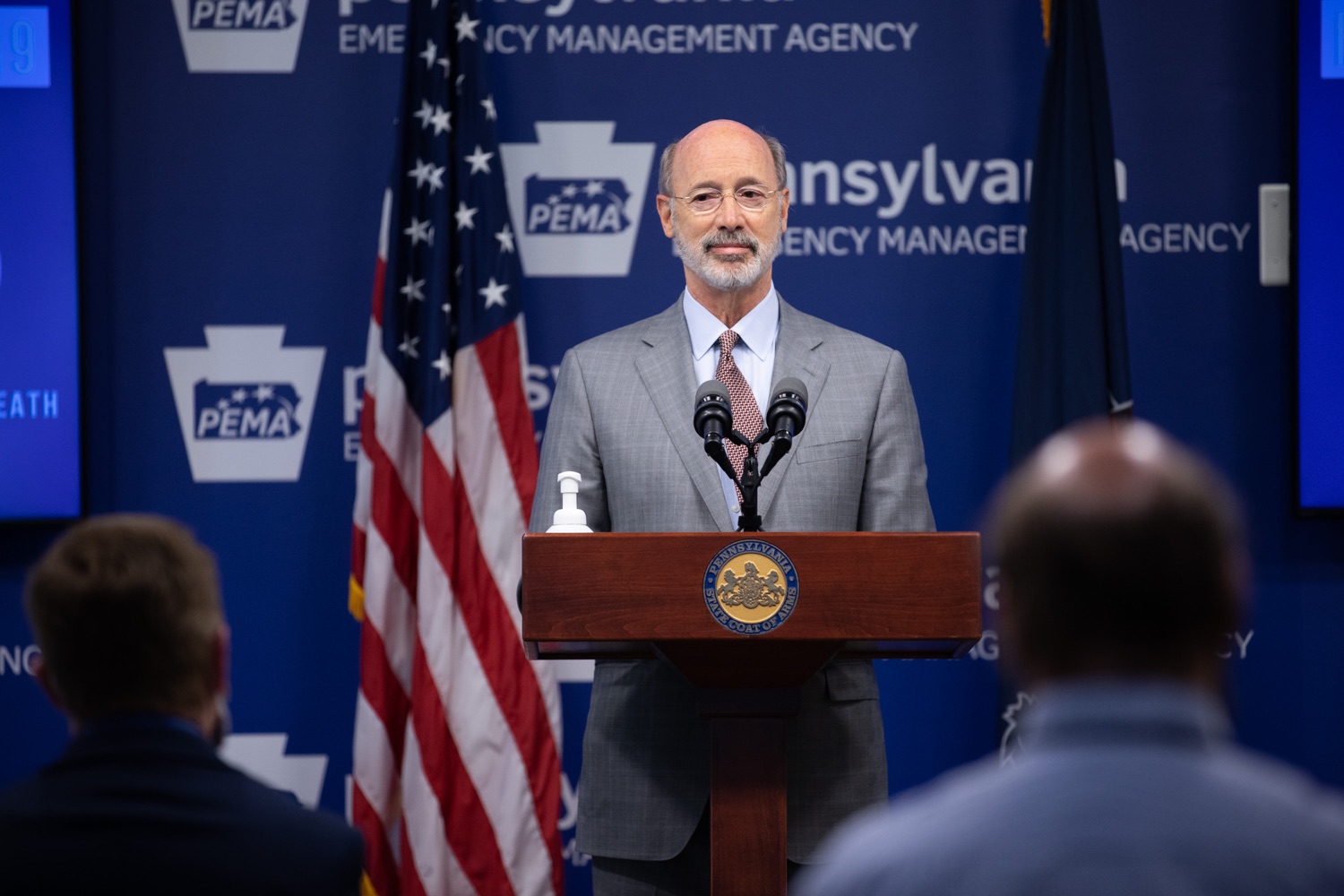
Pennsylvania Governor Tom Wolf answering questions from the press. Governor Tom Wolf today announced a $225 million statewide grant program to support small businesses that were impacted by the COVID-19 public health crisis and subsequent business closure order. Harrisburg, PA — June 8, 2020

BY: TODD BARTLEY, NEWS TALK WMPT, NEWS@TALKWILLIAMSPORT.COM

Earlier today Governor Wolf clarified his position on the wearing of masks for customers of businesses. As a follow-up, News Talk WMPT inquired as to the actual order mask wearing is noted in.


Nate Wardle, Press Secretary for the Department of Health provided the following after the press conference today as promised by Governor Wolf.

“The Worker Safety Order, put out by Secretary Levine, is still in place for both businesses and those allowed to enter businesses:

https://www.governor.pa.gov/wp-content/uploads/2020/04/20200415-SOH-worker-safety-order.pdf

It specifically states:

6) require all customers to wear masks while on premises, and deny entry to individuals not wearing masks, unless the business is providing medication, medical supplies, or food, in which case the business must provide alternative methods of pick-up or delivery of such goods; however, individuals who cannot wear a mask due to a medical condition (including children under the age of 2 years per CDC guidance) may enter the premises and are not required to provide documentation of such medical condition”

One week ago today, Governor Wolf offered a different response as noted in Gov. Wolf to News Talk WMPT on masks at businesses: “They’re not required”.

QUESTION: Governor, you had I believe on social media said earlier today that masks are required. Previously you said they’re the recommended. Is there a difference in the guidance on masks going forward for entering a business?

Governor Wolf responded:

“They’re not required.

Let me make sure I say this right cuz I’m not a lawyer.

I’m not sure, whether they’re required or not though – let me just put a plug in for wearing masks.

The mask protects other people.

Obviously if you’re yelling, I think we’re learning more about that that is there less effective.

But and just general conversation if you’re in a room with somebody else or you’re close to somebody else you actually are doing them a favor by wearing a mask.

So I will find out, we’ll find out what with the legality is.

But, but we really ought to be wearing masks and stores should be requiring that of their customers.

They can do that with shirts and shoes they should certainly be able to do it with masks to try to keep their other customers safe.”

Last Wednesday, Governor Wolf in a press conference again stated masks are required.

News Talk WMPT will continue to report on this developing story.

Dept. of Aging Releases Reopening Guidance for Senior Centers, Adult Day Centers, and In-Person Visits

Harrisburg, PA – The Pennsylvania Department of Aging (PDA) has issued reopening guidance for aging services providers located in counties that are entering the green phase.

In collaboration with representatives of Area Agencies on Aging (AAAs) and adult day centers (ADCs), PDA has developed guidance and procedures for resuming operations of adult day centers, senior community centers (SCCs), and aging and protective services that involve in-person consumer contacts and in-home visits.

“The process of reopening will be conducted gradually, strategically and cautiously, while allowing flexibility at the local level to keep older adults and staff safe,” said Secretary of Aging Robert Torres. “There is not a “one-size-fits-all” approach to resuming operations and our overriding objective is to ensure the health and safety of older adults and staff.”

Guidance for SCCs has each AAA in a county that has entered the green phase identify which SCCs can reopen at full attendance and adhere to Centers for Disease Control and PA Department of Health precautionary and social distancing guidelines; which SCCs can reopen, but with reduced attendance to ensure social distancing; and which SCCs, if any, will not reopen immediately and provide the reason to PDA.

“Some Area Agencies on Aging and senior community centers may choose to reopen for in-person consumer services at a slower pace because they may not have the square footage to practice social distancing, or may currently lack volunteers or staff,” said Sec. Torres. “Our ongoing support for them will focus on working within the existing guidance to make service and activity decisions that best fit their individual capacities and situations.”

SCCs that fully or partially reopen are to develop new operational policies to address sanitation practices, social distancing, the number of participants attending at any one time, changes in programming, and communication of the new rules to participants. SCCs are required to routinely conduct health screenings and PDA has provided a health screening tool for this purpose.

Each SCC is to have a meal service policy in place that allows for social distancing, changes in meal service, and how it will manage meal service if it must serve fewer participants due to social distancing. Recognizing that seniors may have ongoing concerns and fears, alternative services and practices implemented at the start of the pandemic, such as maintaining different modes of getting meals to seniors, will continue for some time. Older adults needing a meal or in-home support are encouraged to call their local AAA.

PDA regulates more than 250 ADCs, which are non-residential facilities that support the health, nutritional and social needs of seniors and adults with disabilities. The reopening guidance recommends daily health checks for participants and staff prior to them entering program areas and use of a written wellness checklist developed by PDA.  ADCs are to create separate areas both for screening participants who are entering the building, and for holding staff or participants with COVID-19 symptoms to wait until they can be transported out of the center.

“ADCs serve older adults who are among the most care-dependent,” said Sec. Torres. “The guidance we’ve developed provides cautionary measures that providers can take to ensure that participants and staff are protected as they adjust their center’s operations and activities.”

PDA has also issued guidance to AAAs to safely resume operations for in-person visits for aging services and protective services. The new screening tools for in-person visits – one focusing on consumer comfort level, the others on consumer health – have been created to help AAAs assess the situation and readiness of the older adult for resuming in-person visits.

“Our department recognizes the concerns and fears of older adults and staff regarding COVID-19, resulting in the need for ongoing caution and flexibility during the transition to normalize operations,” said Sec. Torres.

Sec. Torres noted that the protective services program has operated throughout the pandemic, with face-to-face safety measures in place to protect older adults and investigative staff.  Anyone suspecting elder abuse should call the statewide reporting hotline at 1-800-490-8505 which operates 24 hours a day 7 days a week.

The reopening guidance documents, including health screening and other tools developed by PDA, can be found by clicking here and scrolling to “COVID-19 Reopening Provider Guidance.”

Visit the PA DOH’s dedicated Coronavirus webpage here for the most up-to-date information regarding COVID-19. Learn more about the various programs offered by the Pennsylvania Department of Aging here.

Muncy Creek Township Recycling Drop Off Now Open

Lycoming County – Lycoming County Resource Management Services has reopened one additional sites at Muncy Creek Township, located at the municipal building.

If you or anyone in your household has COVID19, please throw away your recyclables. If you do not wish to visit the drop off sites, please know single stream recycling is available in Lycoming County. Reach out to your waste hauler for details.

Recycling drop off site has reopened at Muncy Creek Township, located at the municipal building. Please know that the recycling site no longer has steps to use the plastics/metals container.

Please be aware that collection procedures have changed. To better accommodate the inbound recyclables and help with its transportation, more materials will be combined:

1. FIBER/PAPERS which are magazines, newspapers, chipboard, office paper junk mail, and cardboard that has been broken down are all acceptable into one container.

2. PLASTICS BOTTLES 1&2/METAL CANS which are plastic bottles/jars #1&2 only, tin/steel cans, and aluminum cans are all acceptable into one container.

3. GLASS BOTTLES/JARS are still acceptable and are still separated by color (clear/brown/green).

PLASTIC BAGS ARE NOT ACCEPTABLE IN THE RECYCLING CONTAINERS, PLEASE EMPTY ANY BAGGED MATERIAL AND TAKE THE BAGS BACK HOME WITH YOU (only exception is for shredded office paper, please put your shredded office paper in a clear bag).

Thank you for your recycling participation. We will release updates as new sites begin to open. Please know that you may recycle at any of the open Lycoming County recycling drop off sites regardless of your municipality. For an updated list of open drop off sites, please check our website www.lcrms.com.

Dept. of Health Highlights May 2020 Nursing Home Inspection, Sanction Information Amidst COVID-19 Pandemic

Harrisburg, PA – In the May 2020 report, Pennsylvania Department of Health nursing home surveyors conducted 292 inspections of nursing homes, including 210 complaint investigations during the COVID-19 pandemic. In addition, nine sanctions were finalized against nursing care facilities, which included the issuance of one provisional one license, and civil penalties totaling $83,000.

“We know that congregate care settings, like nursing homes, have been challenged by the COVID-19 pandemic,” Dr. Levine said. “That is why we remain committed to protecting the health and well-being of our most vulnerable Pennsylvanians by continuing to hold nursing home operators accountable, as necessary, to ensure they are providing safe care. If you see something at a nursing home that doesn’t seem right, we encourage you to speak up.”

Although annual inspections are not occurring at this time, extensions are in place according to guidance issued from the Center of Medicaid and Medicare Services (CMS). The majority of other inspections are still occurring but may be conducted virtually rather than onsite to minimize the spread of COVID-19.

Individuals with complaints about a nursing home can file that complaint with the department in several ways. Complaints can be made anonymously by calling 1-800-254-5164, filling out the online complaint form, emailing c-ncomplai@pa.gov or sending the complaint in the mail to the department.

The number of long-term care facility resident cases, employee cases and deaths continues to decrease, as reflected in the long-term care facility graphs on the department’s LTCF data page.

The department recently announced an order directing testing at skilled nursing facilities. Facilities in need of assistance are encouraged to contact the department, which can provide assistance from a number of available resources on infection control, personal protective equipment, etc.

The inspections, called surveys, include information on nursing home patient-care and building inspections. If a facility is cited for not following regulations during the survey, it must submit a plan of correction that includes what will be done to fix the issue and a completion date. The department will conduct a surprise follow-up inspection to ensure the issue is resolved. Surveys are posted to the website 41 days after the survey is completed.

The department also may issue a sanction. Possible sanctions include a civil penalty, a ban on admissions, a license being revoked, or a facility being put on a provisional license, which requires, among other things, being subject to additional inspections. A provisional license can be renewed no more than three times. The department can return the facility to a regular license if it is satisfied that all issues have been corrected and it is warranted.

The department maintains a searchable database, which allows the public to view patient care surveys, building safety surveys, size of the nursing home, type of ownership and additional information about each of the nursing homes in the state. The department oversees nearly 700 nursing homes and more than 88,000 beds within nursing homes in Pennsylvania, in addition to other facilities, including hospitals, ambulatory surgical facilities, home care agencies and others.

The Wolf Administration has taken a three-pillar approach to protecting the vulnerable residents living in nursing homes and other long-term living settings from COVID-19:

  • Ensuring resident safety through testing, education and resources;
  • Preventing and mitigating outbreaks; and
  • Working in partnership with state agencies, local health departments and long-term care facility operators.

The Department of Health has been pushing personal protective equipment to all of long-term care facilities in Pennsylvania. Additionally, the department continues to work with ECRI as they provide technical assistance and our Healthcare Acquired Infection (HAI) team to further assist and remain connected with the nursing homes in order to best assist their needs.

The Wolf Administration stresses the role Pennsylvanians play in helping to reduce the spread of COVID-19:

  • Wash your hands with soap and water for at least 20 seconds or use hand sanitizer if soap and water are not available.
  • Cover any coughs or sneezes with your elbow, not your hands.
  • Clean surfaces frequently.
  • Stay home to avoid spreading COVID-19, especially if you are unwell.
  • If you must go out for a life-sustaining reason, please wear a mask.

Updated Coronavirus Links: Press Releases, State Lab Photos, Graphics

All Pennsylvania residents are encouraged to sign up for AlertPA, a text notification system for health, weather, and other important alerts like COVID-19 updates from commonwealth agencies. Residents can sign up online at www.ready.pa.gov/BeInformed/Signup-For-Alerts.

Gov. Wolf Announces $260 Million in Funding to Help People with Intellectual Disabilities and Autism During Pandemic

Harrisburg, PA – Today Governor Tom Wolf announced that people with intellectual disabilities and autism and the providers of support services for these vulnerable Pennsylvanians will receive $260 million in CARES Act funding to help continue to provide services during the COVID-19 pandemic.

“This funding will help the more than 40,000 Pennsylvanians who receive assistance through one of the Department of Human Services’ programs or facilities,” Gov. Tom Wolf said. “It will help to improve the quality of life for these vulnerable Pennsylvanians and those who have dedicated their lives to caring for them, and it will bring relief to families and loved ones knowing we are committed to providing the highest level of care possible, even during a pandemic.”

Gov. Wolf was joined by Department of Human Services Secretary Teresa Miller, who outlined to details of funding allocations.

“These dollars are intended to supplement the budgets of an industry built on the values of service, caregiving, and inclusion – an industry hit particularly hard by the COVID-19 pandemic,” Sec. Miller said. “To all of our intellectual disability and autism service providers and direct support professionals – thank you for your tireless and selfless work over the past three months, and for your dedication to helping Pennsylvanians with intellectual disabilities and autism achieve the everyday life they deserve.”

The $260 million will be allocated as follows:

  • $90 million to providers of residential, respite, and shift nursing services;
  • $80 million to providers of Community Participation Support services for 120 days of retainer payments, covering operations from March through June; and,
  • $90 million to providers of in-home and community, supported and small group employment, companion, and transportation trip services for 120 days of retainer payments, covering operations from March through June.

Read more about Gov. Wolf’s Process to Reopen PA here.