HHS Provides Update on Public Assistance Data Trends, Need for Continued Federal Support 

Harrisburg, PA –Department of Human Services (DHS) Secretary Teresa Miller today discussed application and enrollment trends for public assistance programs and reminded Pennsylvanians that public assistance programs are still available. Anyone who may need assistance with buying groceries, accessing health care, and affording other basic necessities are encouraged to apply for assistance.

Secretary Miller also discussed the need for support from the federal government to continue flexibilities authorized under state and federal disaster declarations that ensure continuity of benefits during the uncertain economic climate.

“Even as we reopen, it is not going to get easier right away, but we must do all we can to mitigate the long-term harm that could come from this time, particularly on those who already experience health and economic challenges more acutely,” said Secretary Miller. “Public assistance programs can be a resource to help people who have lost a job or a significant portion of their income or work a low-wage job make sure they can meet essential needs, and I want all Pennsylvanians to know that they do not have to weather this time alone.”

DHS’ programs are designed to help Pennsylvanians who have lost income or employment meet basic needs until they are able to start work again. Programs include Medicaid, the Children’s Health Insurance Program (CHIP), the Supplemental Nutrition Assistance Program (SNAP), the Low-Income Home Energy Assistance Program (LIHEAP), and Temporary Assistance for Needy Families (TANF). DHS has also received approval to provide additional supports created specifically in response to the COVID-19 pandemic, including the Emergency Assistance Program (EAP) and the Low-Income Home Energy Assistance Program (LIHEAP) Recovery Crisis Program.

Pennsylvanians who have experienced a change in income or job loss, regardless of its relation to the COVID-19 pandemic, can apply for benefits online at any time at www.compass.state.pa.us. Those who prefer to submit paper documentation can print or call for a paper application and either mail the application to their local County Assistance Office (CAO) or place it in a CAO’s secure drop box, if available. While CAOs remain closed for in-person services, many services are still available online or by phone, and they continue to process applications, determine eligibility, and issue benefits. Clients should use COMPASS or the MyCOMPASS PA mobile app to submit necessary updates to their case files while CAOs are closed.

Enrollment has increased for both Medicaid and SNAP in the month of May, though May’s increase was less than the increase from March to April. Overall application numbers are down 40 percent, but DHS has been approved to extend annual SNAP renewals and not disenroll people from Medicaid, which has contributed to the increased enrollment numbers.

Health Care

From February through May, there has been an overall increase by 4.2 percent, or approximately 118,000 people, in Medicaid enrollment.

Pennsylvanians who have lost health coverage or are currently uninsured and need coverage for themselves or their children may qualify for coverage through Medicaid and CHIP. Medicaid and CHIP provide coverage for routine and emergency health services, tests and screenings, and prescriptions. COVID-19 testing and treatment are also covered by both Medicaid and CHIP. Medicaid and CHIP enroll individuals throughout the year and do not have a limited or special enrollment time, so people needing health coverage can apply for these programs at any time. There are income limits for Medicaid, but all children qualify for coverage through CHIP.

Food Security

SNAP enrollment has increased by 9.7 percent, or 189,727 people, from February through May.

SNAP helps more than 1.9 million Pennsylvanians expand purchasing power by providing money each month to spend on groceries, helping households have resources to purchase enough food to avoid going hungry. Inadequate food and chronic nutrient deficiencies have profound effects on a person’s life and health, including increased risks for chronic diseases, higher chances of hospitalization, poorer overall health, and increased health care costs. As the nation faces the COVID-19 pandemic, access to essential needs like food is more important than ever to help keep vulnerable populations healthy and mitigate co-occurring health risks.

Emergency applications for SNAP can be expedited in five days, and all Pennsylvanians who are in a difficult financial situation due to the economic challenges of this pandemic should apply to see if they are eligible for assistance.

Pennsylvanians who need immediate help feeding themselves or their family can also find and contact their local food bank or pantry through Feeding Pennsylvania and Hunger-Free Pennsylvania to access food resources in their community.

Temporary COVID-19 Programs

EAP helps low-income families who have lost wages and are experiencing financial challenges due to the COVID-19 pandemic. The program uses existing TANF funds and is open to families with a child under the age of 18 or a woman who is currently pregnant. Families who qualify for EAP will be eligible for a one-time payment to assist them in meeting basic needs and to help them secure more stable financial footing in the future.

Funds remain available, and this program has been extended. Applications are being accepted through July 12. Families should be prepared to submit all necessary documentation with their application to expedite processing and avoid having to apply again. Applications are accepted at any time, and previously rejected applications can be resubmitted. More information about EAP, including income limits, is available here.

LIHEAP provides assistance for home energy bills, helping ensure continuity of utility and other energy services for low-income Pennsylvanians. The LIHEAP Recovery Crisis Program offers a crisis benefit and a supplemental payment for households that received a crisis payment made directly to utility companies or fuel providers to help offset costs for home utilities.

LIHEAP normally runs from November through March, but the Recovery Crisis program can help with Pennsylvanians’ current energy costs, including critical air conditioning during the summer months. Assistance is available for both renters and homeowners. LIHEAP Recovery Crisis program will run through August 31, 2020, or until all budgeted funding is expended. More information, including income limits, can be found here.

To date, 4,358 people have been approved for EAP and 24,582 people have been approved for LIHEAP Recovery Crisis.

Visit pa.gov for a “Responding to COVID-19” guide or the Pennsylvania Department of Health’s dedicated Coronavirus webpage for the most up-to-date information regarding COVID-19. Guidance to DHS providers related to COVID-19 is available here.

DOH Announces Partnership with CVS Health to Assist with COVID-19 Response in Nursing Homes

Harrisburg, PA – Secretary of Health Dr. Rachel Levine today announced a partnership with CVS Health to assist with nursing home facility testing as part of the state’s COVID-19 response.

The Pennsylvania Department of Health and Pennsylvania Emergency Management Agency (PEMA) are partnering with CVS Health to offer COVID-19 testing services to skilled nursing facilities statewide, free of charge. This is in order to make sure facilities are compliant with Secretary Levine’s universal testing order issued June 9, 2020.

“We are so pleased to have this level of collaboration and assistance from CVS Health,” Dr. Levine said. “COVID-19 is a particularly challenging situation for congregate settings, particularly our nursing home facilities. This partnership strengthens and increases access to ensure universal testing is completed in nursing homes, as required in the order issued earlier this month. It will provide us the opportunity to better address outbreaks and work to prevent future outbreaks in nursing home facilities. These teams are assisting us in our response in the hardest-hit areas as we work to protect the public health and safety of Pennsylvanians.”

Omnicare, a CVS Health company, will administer up to 50,000 tests for skilled nursing residents and staff members beginning the week of June 29. The department will roll out a three-tiered priority list for testing beginning with facilities with new or ongoing outbreaks, then to facilities with a history of a resolved outbreak and finishing with facilities with no outbreaks.

“At Omnicare, we are dedicated to providing outstanding service to our long-term care customers and their patients. Our COVID-19 testing solutions are a prime example of our capabilities, and a critical component of our broader response to the pandemic,” said Jim Love, President of Omnicare. “We are pleased to partner with the Commonwealth of Pennsylvania to increase access and availability to testing for these critically important long-term care facilities and their vulnerable patient populations.”

Through the work of a number of entities, testing is accessible for Pennsylvanians through a variety of locations. Adding CVS Health, Patient First, Rite Aid, Walmart and other testing sites for symptomatic and asymptomatic individuals through select retail locations across the state has further allowed for Pennsylvanians to get tested close to home. Adding these locations to those already offered by hospitals, health systems, Federally Qualified Health Centers (FQHCs), health clinics and other locations significantly expands the testing network in the state.

More information about Pennsylvania’s testing sites, including a map of the sites available in Pennsylvania, is listed on the department’s website.

The department’s testing plan has remained adaptable. This includes the efforts to ensure everyone in a long-term care facility can be tested, work to ensure counties that currently do not have testing locations can receive them, and other efforts based on the latest data and science surrounding COVID-19.

Symptoms of COVID-19 can include:

  • Fever
  • Cough
  • Shortness of breath or difficulty breathing
  • Diarrhea
  • Chills
  • Repeating shaking with chills
  • Muscle pain
  • Headache
  • Sore throat
  • New loss of taste or smell

Symptoms may appear in as few as two days or as long as 14 days after exposure. Reported illnesses have ranged from people with little to no symptoms to people being severely ill and dying.

As of 12:00 a.m., June 24, there were 83,191 positive cases of COVID-19 statewide in 67 counties and 6,518 confirmed deaths. Most of the patients hospitalized are 65 or older, and most of the deaths have occurred in patients 65 and older. More data is available here.

Pennsylvanians are reminded that mask-wearing is required when visiting businesses in both the yellow and green phases of reopening or in any setting outside the home where social distancing is difficult. Remember: My mask protects you; your mask protects me.

For the latest information for individuals, families, businesses and schools, visit “Responding to COVID-19” on pa.gov.

The Wolf Administration stresses the role Pennsylvanians play in helping to reduce the spread of COVID-19:

  • Wash your hands with soap and water for at least 20 seconds or use hand sanitizer if soap and water are not available.
  • Cover any coughs or sneezes with your elbow, not your hands.
  • Clean surfaces frequently.
  • Stay home to avoid spreading COVID-19, especially if you are unwell.
  • If you must go out for a life-sustaining reason, please wear a mask.

Updated Coronavirus Links: Press Releases, State Lab Photos, Graphics

All Pennsylvania residents are encouraged to sign up for AlertPA, a text notification system for health, weather, and other important alerts like COVID-19 updates from commonwealth agencies. Residents can sign up online at www.ready.pa.gov/BeInformed/Signup-For-Alerts.

Gov. Wolf Thanks Penn State Health Milton S. Hershey Medical Center Staff During Visit

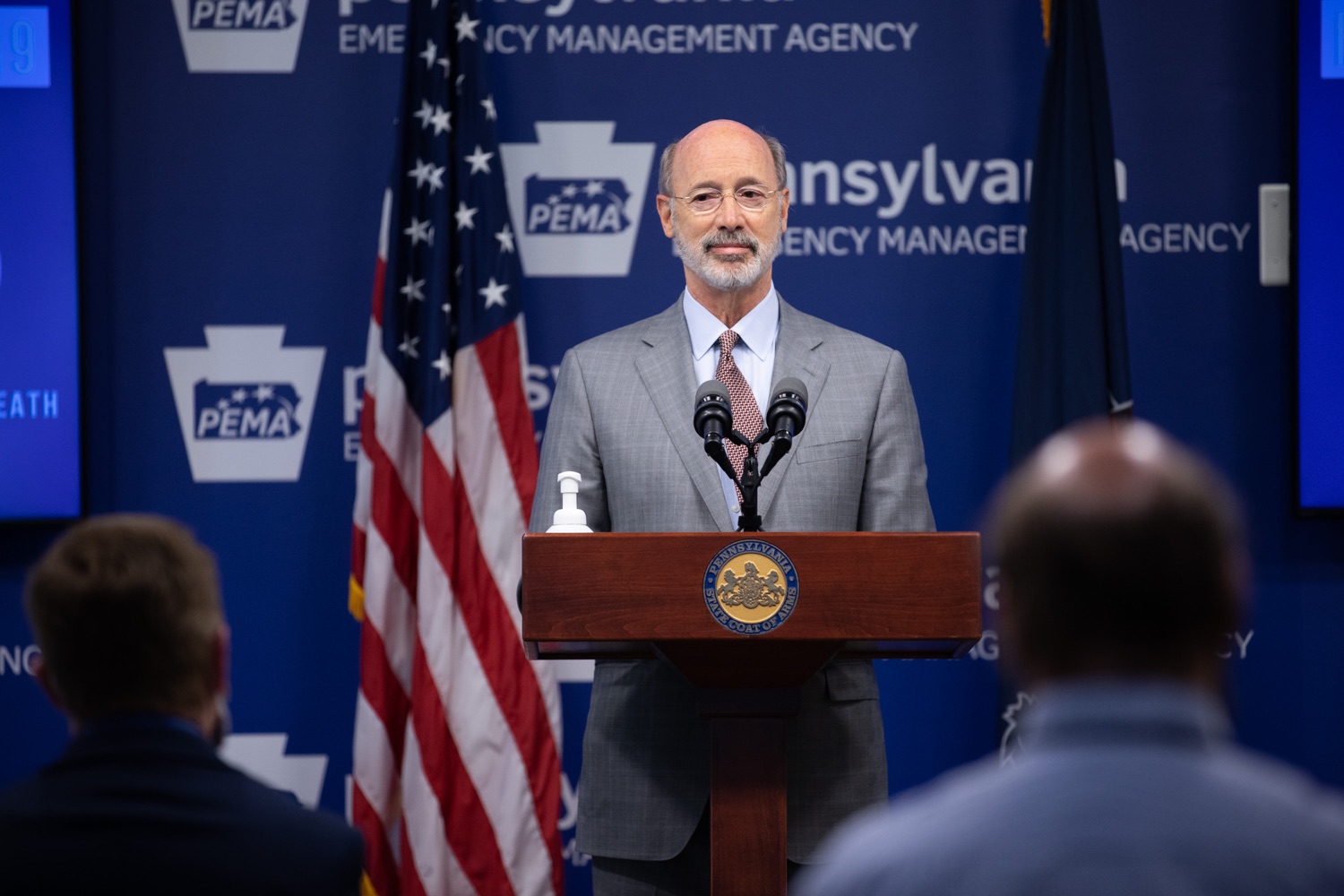
Pennsylvania Governor Tom Wolf answering questions from the press. Governor Tom Wolf today announced a $225 million statewide grant program to support small businesses that were impacted by the COVID-19 public health crisis and subsequent business closure order. Harrisburg, PA — June 8, 2020

Harrisburg, PA – As the commonwealth continues its measured, phased reopening and COVID-19 case counts continue to decline, Governor Tom Wolf visited Penn State Milton S. Hershey Medical Center today to thank staff and learn more about how the facility is handling the pandemic and preparing for a possible resurgence in the fall.

“For almost four months, the staff here has done an amazing job working day and night to care for patients,” Gov. Wolf said, addressing staff in attendance. “Taking care of patients with a new virus that we didn’t know much about was a challenge, and you’ve had to balance their health and wellness with keeping the other patients at that medical center safe. That took a team effort.”

The Wolf Administration approached the COVID-19 pandemic with a plan, by being prepared and by issuing both stay-at-home and reopening orders using a measured, phased approach that combined science with input from health experts. The Department of Health opened its Operations Center at the Pennsylvania Emergency Management Agency in January, well before the first cases arrived in Pennsylvania. That preparedness was key to ensuring the state’s hospitals, including the medical center, were not overwhelmed.

The Milton S. Hershey Medical Center addressed preparedness by ordering enough PPE in advance of any cases at the facility and by making use of a Special Pathogens Team to directly address the health care issues associated with COVID-19. The team was created to prepare for possible cases of Ebola in 2014 and was able to morph and adapt to address COVID-19 at the Hershey facility and its sister hospital, St. Joseph’s Medical Center in Reading. Team members have years of training and are dedicated to ensuring COVID-19 patients recover and can return home.

Gov. Wolf was joined by Deborah Berini, president, Penn State Health Milton S. Hershey Medical Center and Sec. of Health Dr. Rachel Levine.

“Today, our work continues – not only to ensure we can treat current COVID-19 patients and that we are ready for any potential future surge, but also to make sure that every patient who needs us can safely and confidently receive care,” said Berini. “As we do so, every step forward is made to find new and better ways to serve our patients while following careful consideration of public health guidelines, including from the Pennsylvania Department of Health.”

“Thank you to all of the staff at Penn State Health and all of the nurses, doctors, EMTs and first responders who answered the call to help without reservation,” Dr. Rachel Levine said. “Your efforts saved lives under extraordinary circumstances. We are forever grateful for your service.

“By wearing a mask, we aren’t just protecting ourselves and others from exposure to COVID-19, we are saying ‘thank you’ to the brave health care professionals working day and night to save our lives.”

Read more on Gov. Wolf’s Process to Reopen PA here.

Congressman Keller awarded “Spirt of Enterprise” Award by U.S. Chamber of Commerce

Award recognizes Congressman Keller’s support of American businesses during 2019

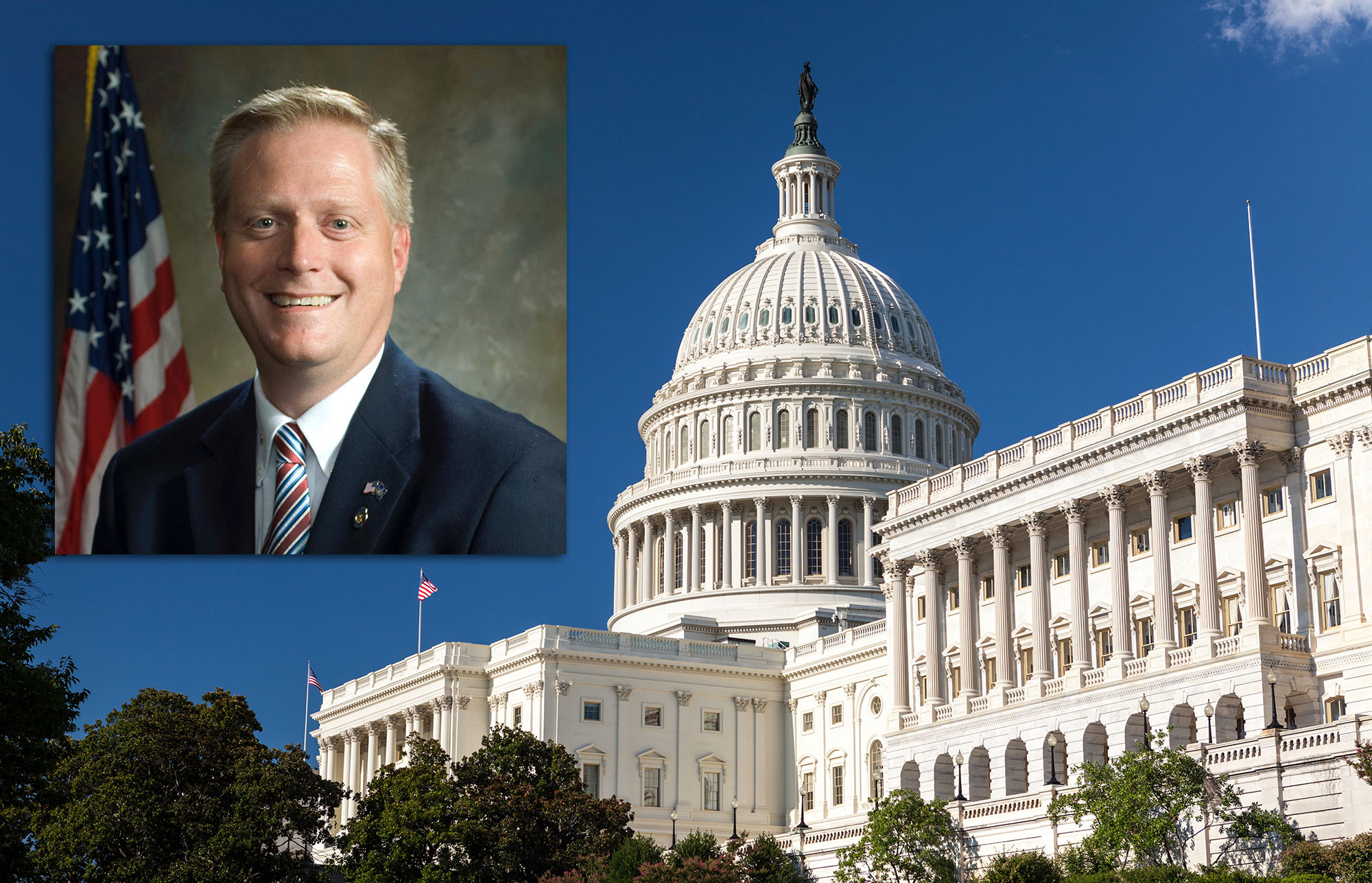
WASHINGTON – Congressman Fred Keller (R-PA) Wednesday announced he has been awarded the “Spirit of Enterprise” Award from the U.S. Chamber of Commerce for supporting pro-business legislation from January 2019 through January 2020.

According to the U.S. Chamber, the award not only recognizes Congressman Keller’s work in support American businesses, but working across the aisle while doing so.

On receiving the “Spirit of Enterprise” Award, Congressman Fred Keller (R-PA) made the following statement:

“The best form of economic stimulus—in both good and bad times is a steady job and one cannot be pro-jobs and anti-business. Having worked in the private sector for over two decades, including running my own small business, before getting elected to office I know the importance of lawmakers support pro-business legislation that gets government out of the way and allows the ingenuity of the American entrepreneur to grow our tremendous economy.

“Now more than ever, we need folks at all levels of government that understand the role business plays in creating the great American comeback and will work to open our economy swiftly and safely.

“I thank the U.S. Chamber of Commerce for recognizing my bipartisan work in 2019 in support American businesses while in Congress and I will continue to support business growth, economic development, and sensible deregulation to keep America’s economy growing.”

DOH Report: 495 Positives Bring PA Total to 83,191

Harrisburg, PA – The Pennsylvania Department of Health today confirmed as of 12:00 a.m., June 24, that there are 495 additional positive cases of COVID-19, bringing the statewide total to 83,191. All 67 counties in Pennsylvania have cases of COVID-19.

There are 6,515 total deaths attributed to COVID-19, an increase of 54 new deaths. County-specific information and a statewide map are available here.

“As we move closer to having the entire state in the green phase, we must remain committed to protecting against COVID-19,” Secretary of Health Dr. Rachel Levine said. “Pennsylvania has been a model for the country on how to reopen effectively using a careful, measured approach. However, the virus has not gone away. Each of us has a responsibility to continue to protect ourselves, our loved ones and others by wearing a mask, maintaining social distancing and washing our hands frequently. Together we can protect our most vulnerable Pennsylvanians, our essential workers and our healthcare system.”

Mask wearing is required in all businesses in yellow and green phases of reopening. Consistent mask wearing, even in counties in the green phase, could have lasting benefits as a COVID-19 surge is possible this fall.

There are 632 patients who have a positive serology test and either COVID-19 symptoms or a high-risk exposure, which are considered probable cases and not confirmed cases. There are 608,217 patients who have tested negative to date. Of the patients who have tested positive to date the age breakdown is as follows:

  • Nearly 1% are ages 0-4;
  • 1% are ages 5-12;
  • 2% are ages 13-18;
  • Nearly 7% are ages 19-24;
  • Nearly 37% are ages 25-49;
  • Nearly 25% are ages 50-64; and
  • Nearly 28% are ages 65 or older.

Most of the patients hospitalized are ages 65 or older, and most of the deaths have occurred in patients 65 or older. More data is available here.

In nursing and personal care homes, there are 17,394 resident cases of COVID-19, and 3,103 cases among employees, for a total of 20,497 at 671 distinct facilities in 49 counties. Out of our total deaths, 4,467 have occurred in residents from nursing or personal care facilities. A county breakdown can be found here.

Approximately 6,303 of our total cases are in health care workers.

For the latest information for individuals, families, businesses and schools, visit “Responding to COVID-19” on pa.gov.

Currently, all 67 counties are in the yellow or green phase of reopening.

Statewide – The Wolf Administration has since noon, June 23:

The Wolf Administration stresses the role Pennsylvanians play in helping to reduce the spread of COVID-19:

  • Wash your hands with soap and water for at least 20 seconds or use hand sanitizer if soap and water are not available.
  • Cover any coughs or sneezes with your elbow, not your hands.
  • Clean surfaces frequently.
  • Stay home to avoid spreading COVID-19, especially if you are unwell.
  • If you must go out for a life-sustaining reason, please wear a mask.

Updated Coronavirus Links: Press Releases, State Lab Photos, Graphics

All Pennsylvania residents are encouraged to sign up for AlertPA, a text notification system for health, weather, and other important alerts like COVID-19 updates from commonwealth agencies. Residents can sign up online at www.ready.pa.gov/BeInformed/Signup-For-Alerts.

Wolf Admin. Urges USDA to Maintain Flexibility for States Administering SNAP Benefits in Response to Continued Threat of COVID-19

Harrisburg, PA – Governor Tom Wolf today sent a letter to the United States Department of Agriculture (USDA) Secretary Sonny Perdue urging the USDA to extend waivers granted to provide states for longer than a month at a time to preserve flexibility they need to ensure the uninterrupted and safe administration of public benefits during the COVID-19 public health crisis. The flexibilities granted by waivers from the USDA specifically related to the Supplemental Nutrition Assistance Program (SNAP) reduce the need for in-person interactions between Department of Human Service (DHS) staff and current and potential clients, keeping both safer from COVID-19 while allowing DHS to continue to meet needs of Pennsylvanians during this period of economic uncertainty.

“While stay at home orders are being lifted and Pennsylvania is beginning to reopen, we must be mindful in our efforts to mitigate risk of an increased spread of COVID-19 cases. This includes reducing the need for in-person interactions, especially for our county assistance office workers,” said Governor Wolf. “We are grateful that USDA has extended some of our waivers until the end of July, but the general uncertainty is very difficult to plan and communicate to our caseworkers and for our clients. States are working tirelessly to manage COVID-19 and eliminate localized outbreaks, and as the administrators of SNAP and similar programs in our states, we are best positioned to understand what flexibilities are necessary to meet current needs and keep staff and clients safe.”

Numerous waivers previously granted by the USDA for the SNAP program were set to expire on June 30. Thus far, DHS has been granted a one-month extension for the following waivers:

  • Elimination of Face-to-Face and Quality Control Interviews: Under normal circumstances, a face-to-face interview must be conducted to determine benefit eligibility and at random for quality control processes. Due to COVID-19, these waivers allows states to perform interviews over the phone to accommodate social distancing and keep DHS staff and clients safe while ensuring continuity of benefits and eligibility determinations.
     
  • Extension of Fair Hearing and Administrative Disqualification Hearings Timeframes: These waivers help Pennsylvania remain in compliance with SNAP regulations by granting DHS staff more time to conduct appeals and disqualification hearings. DHS’ Bureau of Hearings and Appeals is currently operating under a blended on-site and telework model, but there is currently a backlog of cases being worked through from when the stay at home order first began in March. Without these waivers, Pennsylvania would be out of compliance with federal regulations.
  • Temporary Suspension of Claims Collections: This waiver allows Pennsylvania’s Office of Inspector General to pause recoupment if SNAP benefits are overpaid. Without this waiver, SNAP households with a previous overpayment would receive less benefits during the COVID-19 health emergency and would have complicated households’ ability to receive emergency SNAP payments. Given current economic uncertainty, the Wolf Administration would like to continue this temporary pause to prevent further strain on households until circumstances improve.

These waivers are set to expire on July 31, 2020, but Pennsylvania is requesting a longer term, 90-day extension. Waiver extensions of up to 90 days, instead of the current 30 days, would allow for greater predictability and efficiency in DHS operations, as the certainty would eliminate the need to reapply for waivers each month and prepare processes for changes necessary if waivers are not granted.

DHS has also requested wavier extensions to extend SNAP certification periods so current recipients do not have to submit additional paperwork in order to maintain benefits, and to adjust interview requirements, which can slow issuance of benefits and increase rates of people churning off and back on to SNAP. These waivers are also set to expire on June 30.

Governor Wolf also encouraged the USDA to continue to allow states to extend emergency SNAP allotments to current SNAP households. These payments, which are authorized under the Families First Coronavirus Response Act, grant an additional payment to SNAP households that do not receive the maximum monthly benefit for their household size to bring these households to the monthly maximum.

Pennsylvania was approved for this benefit for July, but states lose the authority to issue the supplemental payments if the federal or state disaster declarations are rescinded. Without this, Pennsylvania would lose $100 million per month in additional federal funds that get returned to grocers, farmers markets, and other small businesses in local economies, and SNAP households would receive only the normal benefit amount when many counties still experiencing economic challenges as well as increases in the cost of groceries.

Governor Wolf also urged Secretary Perdue and the USDA to recognize the important role the SNAP program plays in helping more than 1.9 million Pennsylvanians avoid going hungry, which can have adverse effects on a person’s health and well-being. Because SNAP primarily serves populations like the elderly and low-income communities that have been disproportionately affected by the pandemic, removing flexibilities that could potentially remove people from the program would be another way of directing support away from vulnerable Pennsylvanians.

“As the nation faces the COVID-19 pandemic, access to essential needs like food is more important than ever to help keep people healthy and mitigate co-occurring health risks. We cannot allow our current circumstances to make matters more difficult for disadvantaged people in Pennsylvania and around the country,” wrote Governor Wolf. “Our actions in the weeks and months to come will shape not just our response to this pandemic, but also the world we will accept when COVID-19 is no longer a threat. Preserving access to this critical resource and food access in these communities is the least we must do to be sure that this pandemic does not further define inequity in these communities for generations to come.”

Read the full letter here.

For more information on the SNAP program, visit www.dhs.pa.gov.

Wolf Admin. Updates Veterinarian Guidance to Include Routine or Elective Surgeries

Harrisburg, PA – The Wolf Administration today updated the Guidance on Veterinary Practices amid the COVID-19 Pandemic to allow for non-essential services and routine or elective surgical procedures, like spaying and neutering, to take place.

“Veterinary medicine services are life-sustaining businesses and have been permitted to continue to operate throughout the COVID-19 pandemic,” Secretary of Health Dr. Rachel Levine said. “As veterinarians continue to provide services through the phased reopening, it is important to promote public health practices and align with efforts to stop the spread of COVID-19. The Department of Health, along with the departments of Agriculture and State, appreciate the cooperation of the veterinary community and have made the decision to allow for routine or elective surgical procedures to now take place.”

Veterinarian practices were allowed to stay open according to the Pennsylvanian State Board of Veterinary Medicine and the American Veterinary Medical Association’s COVID-19 guidelines. Throughout the pandemic, the Pennsylvania Department of State suspended requirements related to telemedicine and reactivation of retired practitioners.

“I want to thank veterinarians throughout Pennsylvania who have continued to provide essential services throughout the COVID-19 emergency,” said Secretary of State Kathy Boockvar. “Thanks to their dedication, we have been able to ensure that Pennsylvanians receive the services they need in this unprecedented time and are now safely able to expand those services as Pennsylvania continues its reopening process.”

Pennsylvania’s Dog Law requires shelters and rescues to have dogs and cats spayed/neutered before adoption. Effective April 2, 2020 the Pennsylvania Department of Agriculture has temporarily waived this requirement. Shelters must keep a running list of pets adopted during the COVID-19 pandemic and follow up with adopted pet owners to make sure the procedure takes place. Pet owners who adopted a pet have up to 120 days from the time of adoption to have a procedure completed.

“Veterinarians, technicians and others in their practices are a vitally important part of our agriculture workforce,” Agriculture Secretary Russell Redding said. “As we reopen businesses and begin to seek a new normal, we must continue to balance protecting the lives and health of our workforce, and meeting the needs of the people who rely on their services to care for and protect the animals we all care about.”

As of 12:00 a.m., June 23, the department has confirmed 510 additional positive cases of COVID-19, bringing the statewide total to 82,696. All 67 counties in Pennsylvania have cases of COVID-19.

There are 6,464 total deaths attributed to COVID-19, an increase of 38 new deaths. County-specific information and a statewide map are available here.

The Wolf Administration stresses the role Pennsylvanians play in helping to reduce the spread of COVID-19:

  • Wash your hands with soap and water for at least 20 seconds or use hand sanitizer if soap and water are not available.
  • Cover any coughs or sneezes with your elbow, not your hands.
  • Clean surfaces frequently.
  • Stay home to avoid spreading COVID-19, especially if you are unwell.
  • If you must go out for a life-sustaining reason, please wear a mask.

Updated Coronavirus Links: Press Releases, State Lab Photos, Graphics

All Pennsylvania residents are encouraged to sign up for AlertPA, a text notification system for health, weather, and other important alerts like COVID-19 updates from commonwealth agencies. Residents can sign up online at www.ready.pa.gov/BeInformed/Signup-For-Alerts.

Dept. of Agriculture: Pollinators Need Pennsylvanians Help to Sustain Future of Food Security

Harrisburg, PA – Agriculture Secretary Russell Redding today reminded Pennsylvanians – from kids and parents, to homeowners, to farmers – the importance of taking steps to protect our valuable population of pollinators to protect the future of food security.

“Many people are afraid of bees – they’ve got a scary stinger that some people are allergic to, but did you know that one out of every third bite of food you take is thanks to a pollinator?” said Secretary Redding. “Think twice before you swat them and consider what you can do to safeguard them and help their colonies flourish. Because when pollinators flourish, so does our food supply.”

Earlier this week, Department of Agriculture Deputy Secretary Cheryl Cook and State Apiarist Karen Roccasecca joined The GIANT Company at their headquarters in Carlisle at their new, seven-acre pollinator field. The all native meadow will create a habitat for pollinators, birds, and other small wildlife while improving the quality of the soil and reducing runoff.

“The GIANT Company has always been an incredible partner to Pennsylvania’s agriculture industry, so it’s no surprise that they’ve extended that partnership from farmers to bees,” said Deputy Cook. “It’s important that we all take steps to protect our vital workforce of pollinators; their value to agriculture is nearly impossible to estimate, but we see it in the grocery store and on our plate every day.”

June 22-28, 2020 is National Pollinator Awareness Week. It’s a time to celebrate pollinators and spread the word about what you can do to protect them and their valuable services to our ecosystem.

A pollinator is anything that helps move pollen to fertilize flowers. Bees and butterflies are the most commonly known pollinators, but they also include moths, birds, flies, and small mammals such as bats. More than 75 percent of the world’s food crops depend on pollination. Everyone can play a role in protecting pollinators and their vital work.

  • Teach kids about the big job that bees and other pollinators have and teach practical ways for them to protect the population;
  • Downsize your lawn – lawns don’t have much to offer pollinators so consider converting some of your grass to a garden bed full of heavy pollen and nectar producing plants;
  • Grow native plants in your garden – pollinators and plants need each other to survive. Planting a diverse group of native plants that flower at different times of the year can make a huge different to pollinator populations;
  • Avoid or limit the use of pesticides, fungicides, and herbicides in your home garden. They can kill pollinators and poison hives. If you do use them, follow the label directions carefully. Apply to plants when they are not flowering, at dusk and when the air is calm, to limit exposure to pollinators.

More bees mean a secure future for food availability, and it even means that our food tastes better. Farms with well managed pollination can increase their production by 24 percent and well pollinated plants produce larger, more uniform fruit. To foster a healthy natural pollinator habitat, farmers are encouraged to leave some areas of their farm under natural habitat and implement hedgerows.

Growers and beekeepers are also encouraged to sign up for FieldWatch and BeeCheck free, voluntary programs that allows participants to register their farmland and bee yards to protect it from chemical drift, which can affect honey bees, organic production, herbicide-sensitive crops, and pollinator protection efforts. The program encourages communication between beekeepers, sensitive crop growers, and pesticide applicators and will allow them to map bee yards, fields or pollinator gardens. Pesticide and herbicide applicators can also notify growers and beekeepers of spray applications through the program.

For information as it relates to agriculture during COVID-19 mitigation in Pennsylvania visit agriculture.pa.gov/COVID. For the most accurate, timely information related to Health in Pennsylvania, visit on.pa.gov/coronavirus.

Congressman Keller: “Democrats wrong to oppose Republican police reform bill in Congress”

Keller pens Fox News Op-Ed, appears on national television

in support of law enforcement improvement legislation

WASHINGTON – Congressman Fred Keller (R-PA) wrote an Op-Ed in Fox News today outlining his support for the Just and Unifying Solutions to Invigorate Communities Everywhere (JUSTICE) Act—Republican crafted legislation that would incentivize law enforcement agencies to implement best practices, enhance training, and reform use of force guidelines.

A picture containing bottle

Description automatically generated


Here are some key excerpts:

The JUSTICE Act encourages beneficial policies like accreditation for police departments and the elimination of chokeholds, while avoiding an approach to local law enforcement where all important decision are made in Washington and handed down to local law enforcement agencies.

In addition, the JUSTICE Act helps improve law enforcement by giving officers the tools, training and resources they need to continue doing the job the right way.

Unfortunately, Democrats in the House and Senate are standing in the way of this forward-thinking legislation that ensures police officers are better trained to protect the communities they serve.

The Democratic bill would do exactly what the experts I met with at listening sessions in my district in Pennsylvania have warned against: control local police departments from Washington.

The JUSTICE Act deserves enactment because it would improve relations between police departments and communities across America, strengthen public safety, and unite the country. The bill offers the commonsense solutions to bring about the improvements required at this moment in our nation’s history.

Over the past several weeks, I have traveled around Pennsylvania’s 12th Congressional District to hold law enforcement improvement listening sessions. I have heard from members of the black community, religious leaders, elected officials, law enforcement agencies, police training experts, and others to get a sense of what is already being done locally that can be replicated nationally – and what needs to be done that departments have yet to implement.

One common theme that I have heard is that local police departments cannot and should not be run from Washington. Policing in rural Pennsylvania vastly differs from what is required in urban areas. Any police improvement legislation should reflect this reality.

In addition to the Op-Ed, Congressman Keller appeared on Fox & Friends First Wednesday morning in support of the JUSTICE Act and called out Democrats for focusing on “scoring political points” instead of working in a bipartisan fashion to craft needed law enforcement improvements.


A group of people posing for the camera

Description automatically generated

(Click to watch video)

Here are some key quotes from that interview:

Really, they are talking about political points. If the Speaker wanted to make sure we get it right, the [Democrats’] bill wouldn’t have been written in secret and we would be in Washington doing the work of the people rather than in our living rooms. Congress is supposed to be meeting in congress, not in our living rooms.

Talking about scoring political points, I think the Minority Leader in the Senate and the Speaker shouldn’t talk about scoring political points. If they wanted to get to the bottom of this, they would be working together with both sides of the aisle to see what we can do. It’s just really disappointing.

On Tuesday and Wednesday, Congressman Keller was featured in dozens of media markets across the country advocating for law enforcement improvement legislation where he was noted as being “all-in” on the JUSTICE Act.


A person wearing a suit and tie

Description automatically generated

(Click to watch video)

Democrats and Republicans continue to battle over how far to go with police reform. Pennsylvania Republican Fred Keller is all-in on the Senate Republican bill, that has the president’s support.

“Sen. Tim Scott had put out a good framework and a good bill and that’s the bill we’re really supporting,” Keller said of the JUSTICE Act.

The recent advocacy follows weeks of listening sessions held by Congressman Keller across Pennsylvania’s 12th Congressional District that had input from community leaders, law enforcement, training experts, and others to help inform his action on law enforcement improvement legislation in the wake of the tragic killing of George Floyd.

UPMC Welcomes New Orthopaedic Surgeon

WILLIAMSPORT, Pa. – UPMC welcomes Kyle Hubler, DO, orthopaedic surgeon specializing in total hip and knee replacements, to the Musculoskeletal Services team in the Susquehanna region.

Dr. Hubler received his medical degree from Philadelphia College of Osteopathic Medicine, Philadelphia, Pa. He completed his medical residency at Memorial Hospital, York, Pa. and his fellowship training in adult reconstruction and orthopaedic trauma from Hennepin County Medical Center, Minneapolis, Minn. Dr. Hubler is board-certified by the American Osteopathic Board of Orthopedic Surgeons.

“My goal is to help my patients move freely and live pain-free,” said Dr. Hubler. “I combine my surgical expertise and experience with innovative therapies to restore range of motion and work with my patients to help them reclaim their active lives. I’m proud to be part of an orthopaedic team that has received awards for excellence in patient outcomes and look forward to caring for patient across the region.”

Dr. Hubler will see patients at SH Orthopaedics, 1705 Warren Ave., Williamsport.

To schedule an appointment, call 570-321-2020 or visit UPMCSusquehanna.org/Ortho.